
Suzuki's First Mini EV, the e Sky, Hits Japanese Showrooms in November
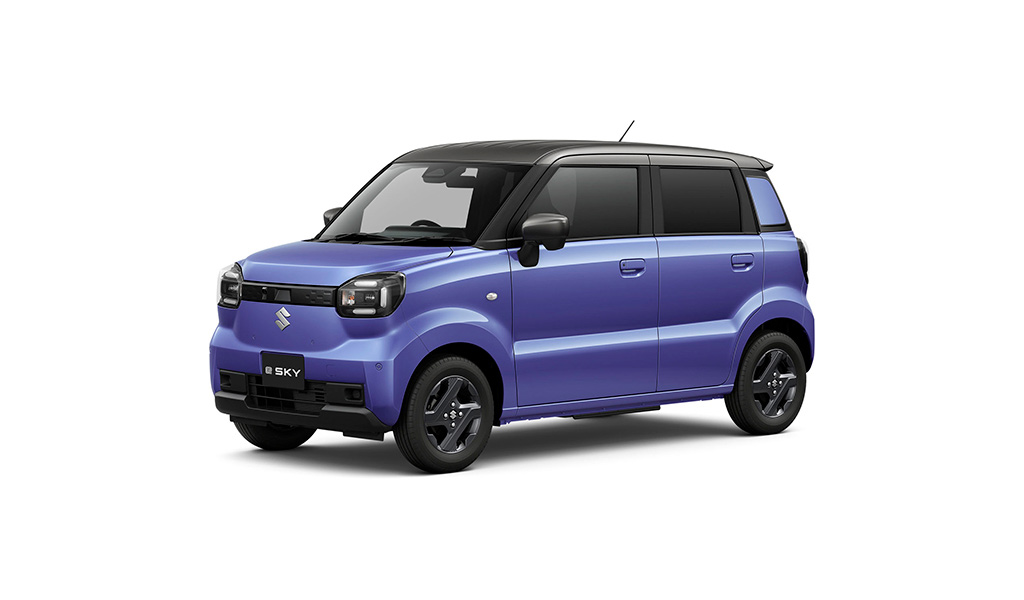
Suzuki has confirmed that its first passenger mini electric vehicle, the e Sky, will reach Japanese dealerships on 16 November 2026, marking a significant step for a brand best known for its compact gasoline cars. Rather than chasing headline-grabbing performance figures, the automaker is positioning efficiency as the model’s central selling point — a strategy aimed squarely at the millions of Japanese drivers who still rely on gasoline-powered mini-cars.
The e Sky sits on the Heartect-e platform, a dedicated electric architecture developed specifically for this class of vehicle, and pairs an eAxle with regenerative braking. Suzuki quotes a driving range of 310 km. Notably, the company has not disclosed the battery capacity behind that figure, nor the test conditions used to arrive at it, leaving the range as a manufacturer claim rather than a verified result.
What has been independently certified is the car’s energy consumption. Japan’s Ministry of Land, Infrastructure, Transport and Tourism has confirmed AC consumption of 97 Wh/km under the worldwide harmonised light vehicles test cycle. Suzuki describes this as best-in-class, citing an internal survey from October 2026, and is leaning heavily on that number as its primary marketing argument. It stands as the e Sky’s only performance figure validated by an outside authority.
The vehicle reflects Suzuki’s long-standing “Sho-Sho-Kei-Tan-Bi” engineering philosophy — smaller, fewer, lighter, shorter and beauty — with weight reduction treated as the foundation of its range performance. The car also manages a minimum turning radius of 4.4 m, a tight figure well suited to narrow urban streets. Suzuki developed the e Sky under an “Easy to Switch” concept, bundling quiet operation and smooth acceleration with features intended to ease the transition from a combustion powertrain to an electric one. Pricing and sales targets remain unannounced.
The e Sky arrives at a moment when affordability and running costs are reshaping buyer behaviour in several markets, with European EV sales recently hitting record levels. For Suzuki, the gamble is that familiarity and low energy use will persuade mini-car loyalists to make the jump — an audience that has historically been among the most reluctant to abandon gasoline. Whether consumption figures alone can carry that pitch will become clearer once Japanese buyers get behind the wheel this autumn.
What do you think?