
BYD's Great Tang Flagship SUV Clears 10,000 Monthly Sales Three Times Running
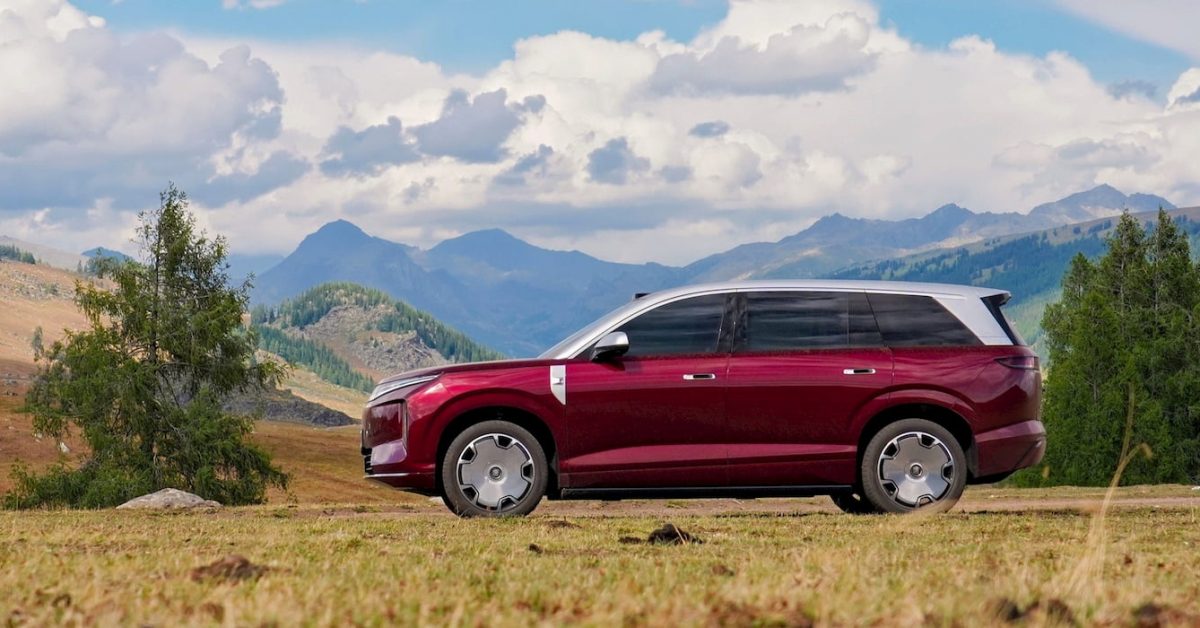
BYD’s largest and most expensive Dynasty-series model is proving there is appetite at the top of the market. The Great Tang, a full-size electric SUV, has now posted monthly sales above 10,000 units for three consecutive months since its Chinese launch, with 13,010 deliveries recorded in September alone. Cumulative volume since launch stands at 40,222.
The run-up to that launch was equally striking. Preorders opened at April’s Beijing Auto Show, and BYD reported more than 30,000 orders within the first day. Two weeks later the tally had passed 100,000, and by the time the vehicle went on sale in China in mid-June, the company had banked over 150,000 reservations — a record for any single BYD model.
Positioned as the brand’s first D-segment flagship SUV, the Great Tang pairs serious dimensions with serious hardware. At 5,263 mm long, 1,999 mm wide and 1,800 mm tall on a 3,130 mm wheelbase, it overshadows the Hyundai IONIQ 9 and Kia EV9 and lines up roughly against the Li Auto L9. Buyers can choose between pure-electric and plug-in hybrid drivetrains, both using BYD’s second-generation Blade Battery. The entry Premium EV carries a 105.79 kWh pack and starts at 239,900 yuan (about 40,000) price tag, quoting up to 950 km of CLTC range. A 1,000V electrical architecture underpins the line, enabling BYD’s Flash Charging to go from 10% to 70% in five minutes and to 97% in nine. The 2+2+3 seven-seat layout is billed as a first for the Chinese market, part of a package BYD describes as containing 29 world firsts.
The next question is where the Great Tang goes from here. BYD executive vice president Stella Li has confirmed the flagship SUV will reach Europe and additional overseas markets around late 2026 or early 2027, setting up a direct challenge to established three-row electric SUVs from Korean and European brands. Whether the model’s domestic momentum translates into export demand — and how pricing lands in markets without Chinese-scale incentives — will be the real test of BYD’s premium ambitions.
What do you think?