
Study Finds Connected Cars and Their Companion Apps Leak Data to Ad Tech Giants
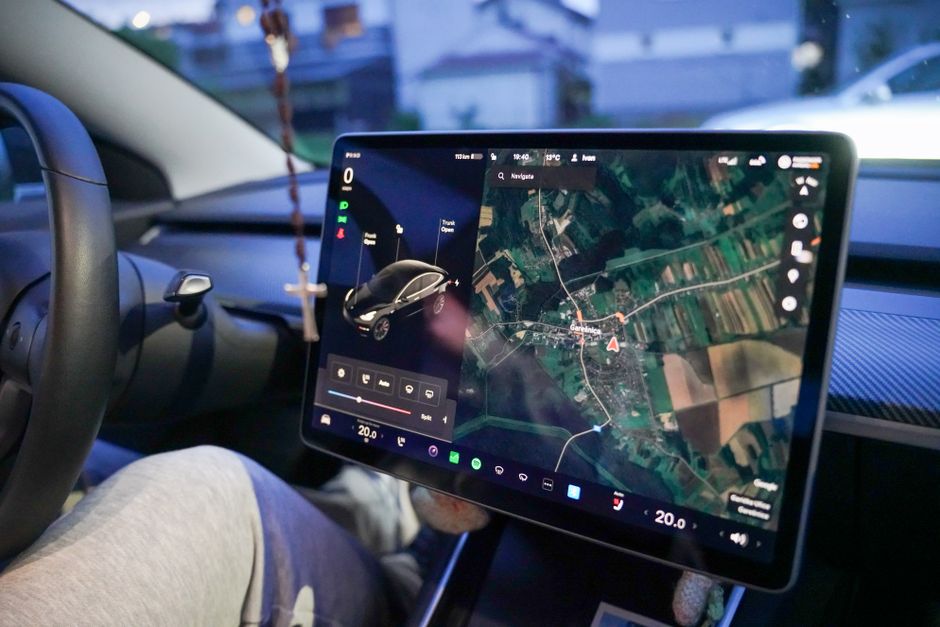
A newly released study from Northeastern University researchers, conducted alongside Consumer Reports, has painted a troubling picture of privacy in the connected vehicle era. The team examined 21 late-model vehicles spanning 17 automakers—including Cadillac, Chevrolet, Ford, Lucid, Rivian, Tesla, and Toyota—plus 30 companion mobile apps. Their finding: the vast majority of these vehicles and apps are funneling sensitive driver information to third-party tech and advertising firms.
According to the peer-reviewed study, 19 of the 21 tested vehicles transmitted data to at least one outside company. The list of recipients reads like a who’s who of the digital advertising world, including Adobe, Google, Microsoft, Meta, Snap, and Yahoo. Even more concerning, seven of the 30 apps shared highly sensitive details—such as vehicle identification numbers, email addresses, phone numbers, and precise location data—with companies specializing in tracking and advertising.
The researchers discovered that pairing a car with its companion app roughly doubled a driver’s exposure to ad trackers. This layering of information allows data brokers and advertisers to construct detailed consumer profiles, which are then sold to insurers, banks, and other businesses, making them nearly impossible for individuals to escape. When the findings were presented to automakers, most deflected responsibility. Honda was the sole exception, responding by tightening its data collection and directing its vendor, Amplitude, to delete all geolocation data it had received. Several manufacturers told Consumer Reports that some links within their apps open external web pages, which could contain data-collecting cookies—yet drivers were never informed.
What do you think?