
Starlink Opens 'Communities' Beta, Turning One Dish Into a Neighbor-Funded Business
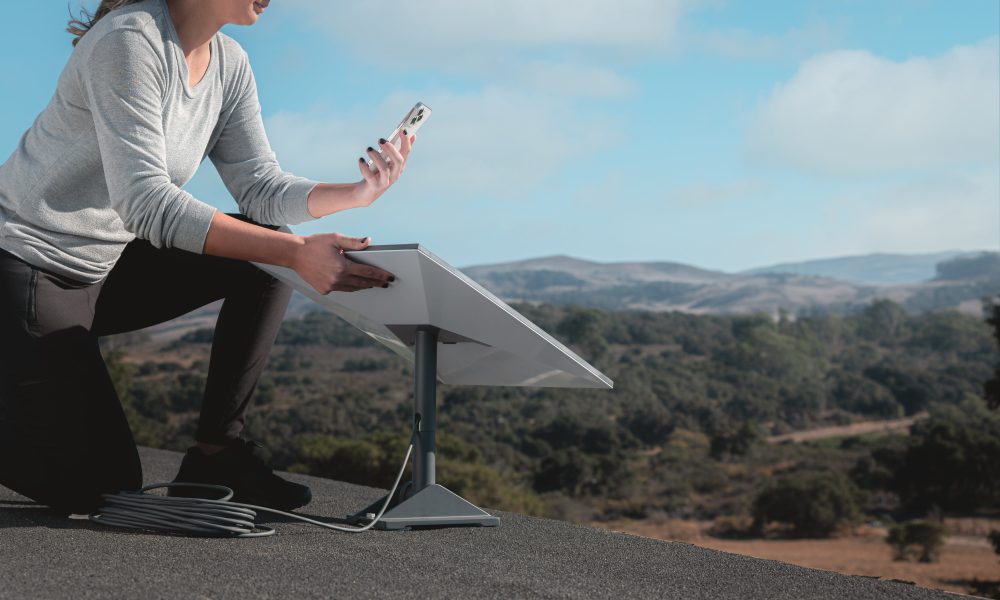
Starlink has begun testing a program that lets ordinary property owners resell a slice of their satellite connection to people nearby, a twist that quietly reframes a single dish as a revenue-generating asset rather than a household expense.
The initiative, called Starlink for Communities, is built around short-term access passes rather than full subscriptions. A host installs one dish and router in a spot with demand close at hand — an apartment block, a campground, a rural junction, an event grounds — and then sells connectivity to neighbors and passers-by. Starlink keeps control of the parts that are hard to replicate: account setup, billing, access restrictions, and the satellite link itself. The host’s responsibilities are largely physical — placement, power, and basic upkeep — and the payout scales with how many paid connections the site handles.
The pass structure is deliberately flexible. A pass bought by the hour, day, or week covers a single device, while a monthly pass stretches to as many as four. That granularity is aimed at people who need connectivity for a short window and would never commit to a conventional monthly plan.
Applications from prospective hosts are already being accepted in several countries, and the company describes the revenue arrangement as ongoing rather than a fixed one-off payout. The timing places Starlink’s effort alongside a broader wave of platforms trying to turn privately owned hardware into income streams — most notably Tesla’s long-discussed robotaxi concept, in which an owner’s car would earn fares during the hours it would otherwise sit parked. The common thread is that the platform absorbs matching, payments, and network operations, while the individual supplies a physical endpoint that is idle much of the time.
Scale is the harder part. A Starlink terminal is fixed and comparatively inexpensive, but its performance is constrained by local congestion and clear sightlines to the satellite constellation. A robotaxi, by contrast, is a high-value mobile asset whose economics hinge on demand density, insurance, cleaning, and charging. For now, Starlink’s resale model is accepting real hosts and generating real transactions, while the owner-operated robotaxi vision remains largely aspirational — the company runs a limited, company-managed ride service in select areas and has courted fleet buyers, but private owners still cannot dispatch their cars for paid rides at scale. Starlink has grown to millions of subscribers by selling residential, mobile, and enterprise terminals, and its hardware is now stocked by mainstream retailers. Communities extends that footprint one reseller at a time, letting a single installation serve several households instead of forcing each one to buy its own kit.
What do you think?