
Solar Panels Give Massachusetts Cranberry Bogs a Second Life
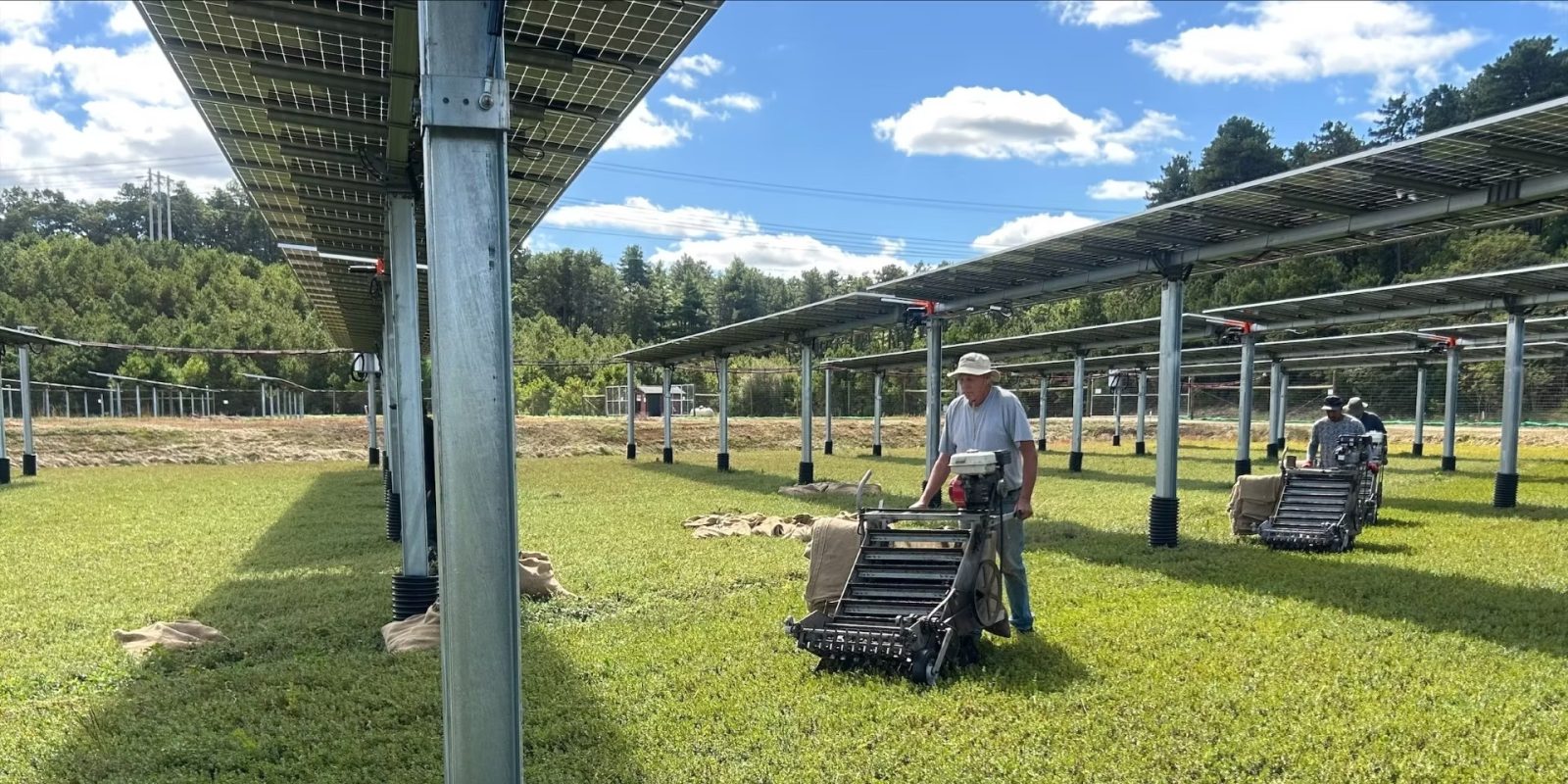
Two cranberry farms in southeastern Massachusetts that had slipped out of active cultivation are producing berries once again, with a solar array overhead footing part of the bill. The Black Cat site in Plymouth and the Ring Road site in Kingston pair berry growing with community solar and battery storage, a setup built by Distributed Energy Infrastructure (DEI). According to the developer, lease payments from the solar side made it financially practical to bring the long-dormant bogs back into production.
- Unusual agrivoltaics: Cranberry bogs sit on soft, peaty ground with established vines that must survive construction, so panels could not simply be dropped in with heavy machinery.
- Elevated array design: The panels sit roughly 10 feet above the ground, leaving clearance for farm equipment, with more than 18 feet of gap between rows and tilt angles chosen to let sunlight reach the vines.
- Slower build: DEI cofounder Prateek Tare put construction at about eight months, or roughly double the timeline of a typical solar installation; crews even swapped dark protective mats for white ones because the black versions absorbed too much heat.
- Storage included: Black Cat combines 1 MW of solar with 2.7 MWh of batteries, while Ring Road carries 4.4 MW of solar and a 13.5 MWh battery; Greenbacker Renewables owns both.
- Revenue on both sides: The landowner collects solar lease income, while farmer Iain Ward manages the bogs and earns from the berry harvest as well.
Why It Matters
Agrivoltaics — growing crops beneath or alongside solar panels — has mostly been tested on row crops and pasture. Cranberry farming presents a harder problem because the soil is fragile and the vines are perennial, meaning any construction error could wipe out years of growth. DEI is framing the October announcement as the first agrivoltaic cranberry harvests, with Tare’s earlier account placing the initial harvest in fall 2025.
What the announcement leaves open is the agronomic question: it does not disclose how many berries were picked or how those yields compare with uncovered bogs. Those figures would matter to other growers weighing whether a solar lease could keep marginal farms in business. For now, the projects show that dual-use solar can be engineered around delicate specialty crops — just at the cost of a longer, more carefully staged build.
Source: Electrek
Curious how this compares to other EVs? Try our comparison tool →What do you think?