
Sodium-Ion Batteries: A New Path for Grid-Scale Energy Storage
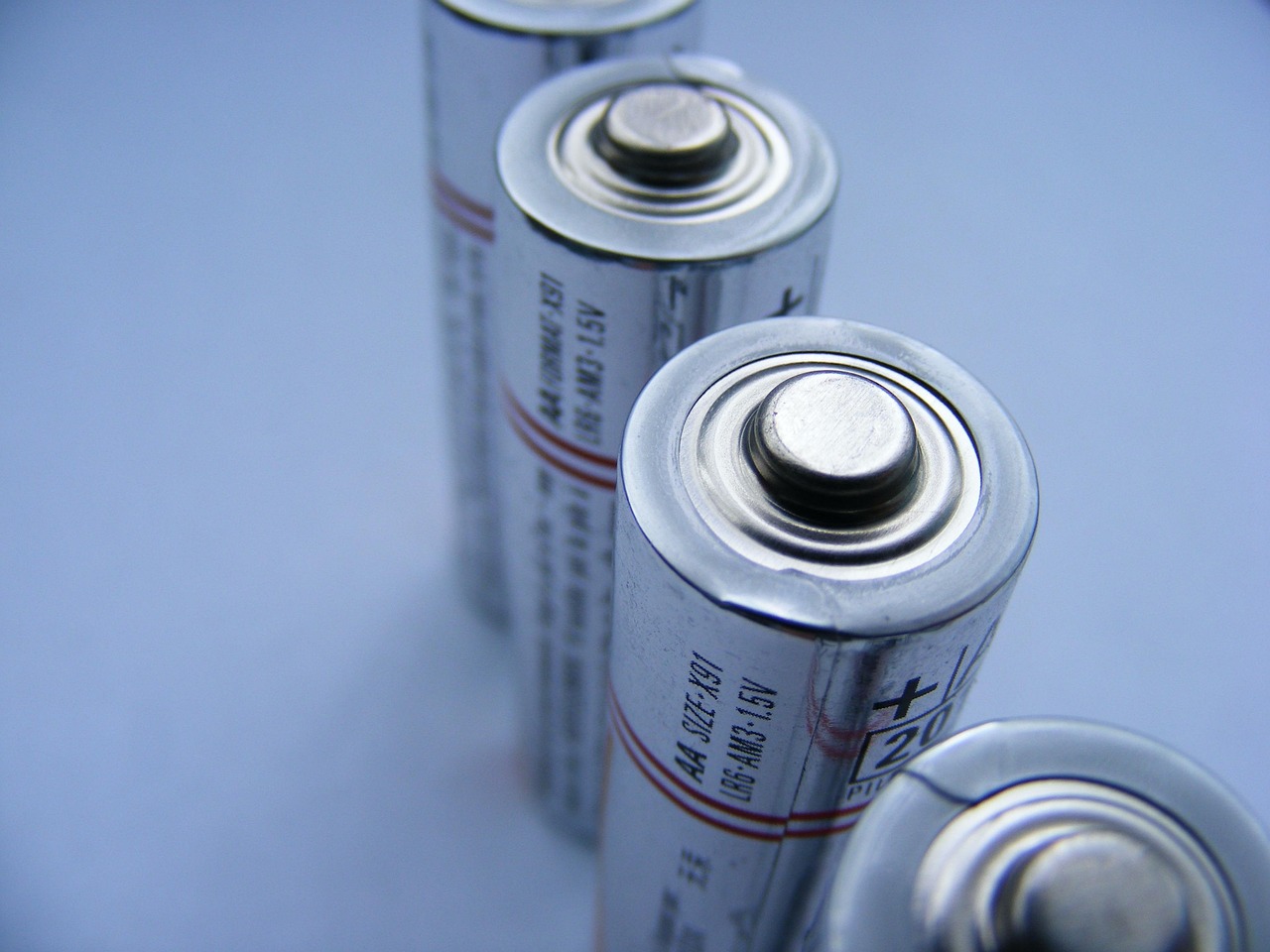
Sodium-ion technology is gaining attention as a practical option for storing electricity on the power grid, and General Motors has outlined why it believes this chemistry will play a larger role in the years ahead. The company points to the abundance of sodium as a key advantage, since it removes the pressure that comes with relying on scarcer materials. That shift could make large-scale storage projects more affordable and easier to expand.
Grid-scale storage has different priorities than a vehicle battery. Cost, durability, and the ability to keep working through many charge cycles matter more than squeezing every last mile out of a pack. Sodium-ion cells fit that brief well, offering stable performance without the same raw-material constraints that affect lithium-based designs. GM’s argument is that this makes them a natural fit for stationary applications where weight and size are less critical.
As renewable sources like wind and solar take on a bigger share of electricity generation, the need for flexible storage grows. Sodium-ion batteries could help utilities smooth out supply and demand, store excess power, and keep the grid steady when generation dips. GM’s view is that this technology will not replace everything else overnight, but will steadily reshape how grid-scale energy storage is planned and built.
What do you think?