
SkyDrive Teams Up with Kansai Firms to Study eVTOL Network in Western Japan
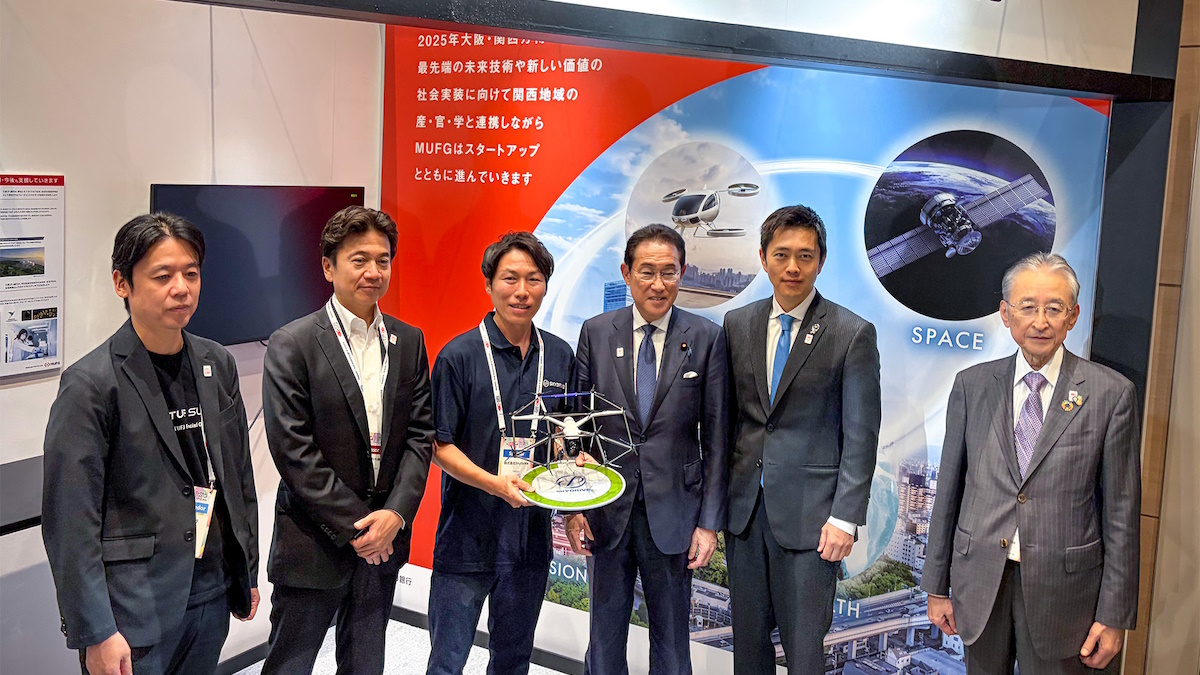
SkyDrive has kicked off a feasibility study alongside a group of companies based in Japan’s Kansai region, aiming to work out what it would take to run eVTOL aircraft commercially and build the supporting infrastructure needed for services across Western Japan. The effort is being guided with backing from MUFG Bank and draws in partners from transportation, aviation, infrastructure, energy, tourism and financial services.
Together, the participants will map out what a regional air mobility network would require and how to shape an operating model that can be sustained over time. They plan to look at possible flight networks and routes across both the medium and long term, as well as the infrastructure that commercial operations would depend on — vertiports, maintenance facilities and the broader ground support around them. Operational and safety questions are on the agenda too, including maintenance and safety management frameworks.
The study also digs into how eVTOL services might slot into the region’s existing transport and tourism networks, and how passenger demand for such services could be cultivated. Commercial viability is another pillar: the companies involved will weigh possible business models and the conditions needed for sustainable operations, while engaging with national government agencies, local authorities and communities.
The work follows on from activity in Osaka and the wider Kansai area after Expo 2025 Osaka, Kansai, where SkyDrive carried out demonstration flights of its SD-05 compact eVTOL aircraft. It forms part of the partners’ broader “Kansai Air Transportation Network Concept”, which is meant to provide a framework for building out regional air mobility infrastructure and related services.
SkyDrive is no stranger to infrastructure planning in Osaka. Under a Cabinet Office Super City research project, the company has been working with Osaka Metro and other partners to assess whether existing rooftop emergency landing sites on urban buildings could be repurposed as eVTOL vertiports. The new feasibility study is designed to complement that infrastructure work by looking at how individual vertiports and routes could come together as part of a wider regional network.
What do you think?