
SkyDrive Teams Up with Kansai Enterprises to Study Western Japan eVTOL Rollout
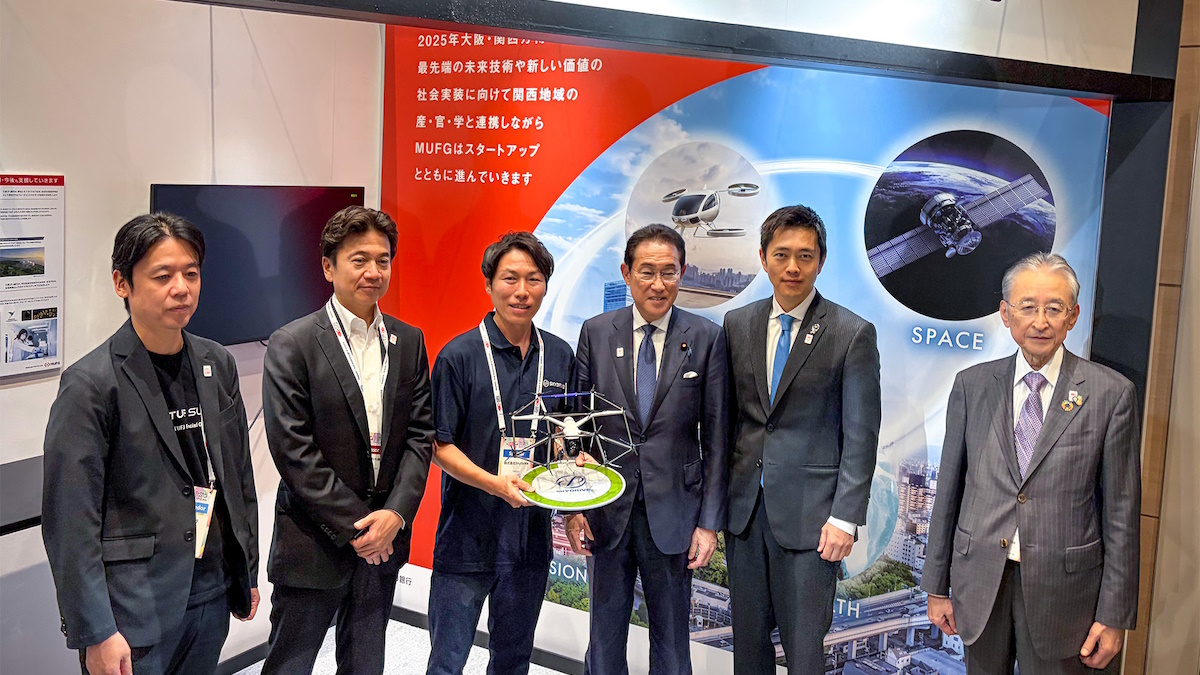
SkyDrive has set in motion a joint feasibility study alongside a group of businesses based in Japan’s Kansai region, aimed at mapping out how eVTOL aircraft might be put into commercial service and what supporting infrastructure would be needed to keep them flying across Western Japan.
The effort is being coordinated with backing from MUFG Bank and draws in participants from a wide spread of sectors — transportation, aviation, infrastructure, energy, tourism and financial services among them. Together, the partners intend to work out what it would take to stand up a regional air mobility network and to shape an operating model that could be sustained over the long run.
This latest study carries forward momentum already built in Osaka and the broader Kansai area after Expo 2025 Osaka, Kansai, where SkyDrive carried out demonstration flights using its compact SD-05 eVTOL aircraft. As part of the new initiative, the participants will look at possible flight networks and routes across both medium- and long-term horizons, together with the infrastructure that commercial operations would depend on — vertiports, maintenance facilities and the associated ground-side systems.
Operational and safety considerations are also on the agenda, spanning maintenance and safety management frameworks. The group plans to explore how eVTOL services could dovetail with existing regional transport and tourism networks, and how passenger demand for such services might be cultivated. Commercial viability forms another pillar: participating companies will weigh potential business models and the conditions needed for operations to remain sustainable, while engaging with national government agencies, local authorities and communities.
The work sits under the partners’ broader “Kansai Air Transportation Network Concept”, a framework intended to guide the development of regional air mobility infrastructure and connected services. SkyDrive is no stranger to infrastructure planning in the region — under a Cabinet Office Super City research project, it has been working with Osaka Metro and other partners to determine whether rooftop emergency landing sites on urban buildings could be repurposed as eVTOL vertiports. The new feasibility study is designed to complement those efforts, examining how individual vertiports and routes could knit together into a wider regional network.
What do you think?