
Serve Robotics Opens Up Its Robot Tech With a New 'Physical AI' Business
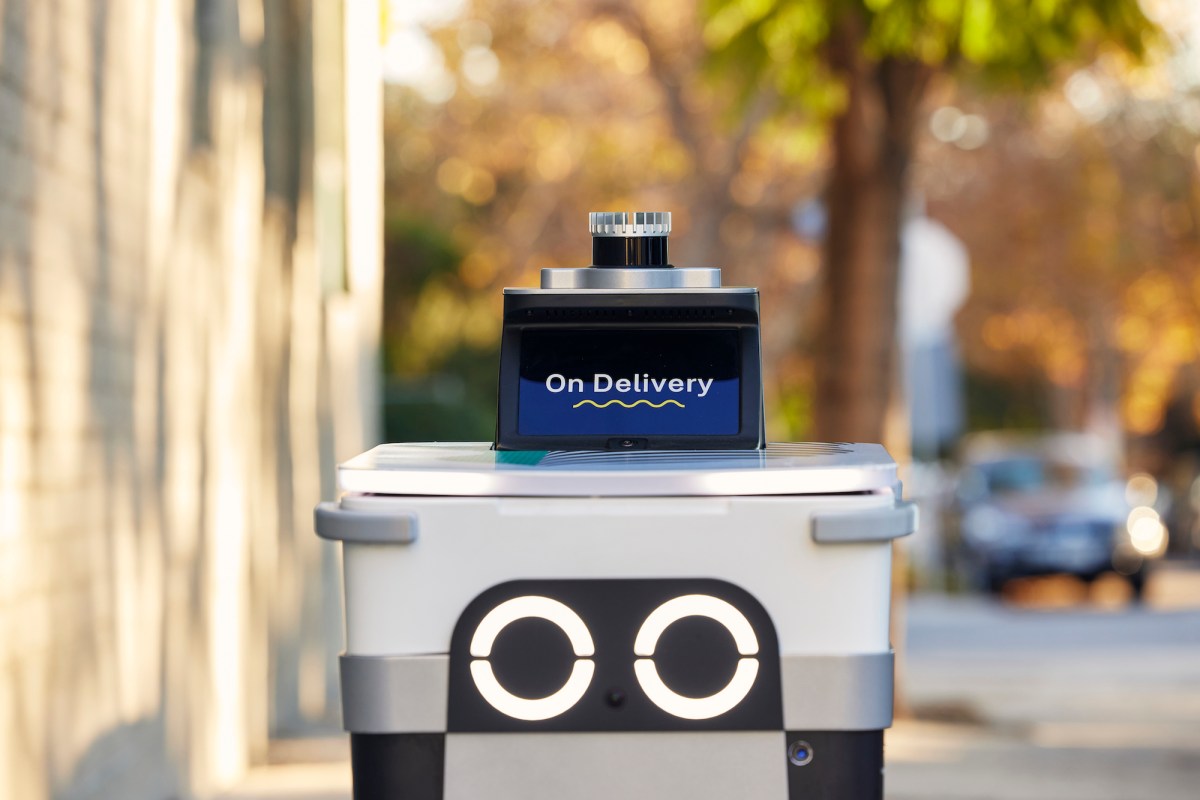
Serve Robotics is best known for its googly-eyed delivery bots trundling along city sidewalks. Now the company wants to sell the plumbing behind them to everybody else building robots.
On Thursday, alongside its third-quarter results, the Los Angeles-based firm unveiled a new division called Physical AI Services. The pitch: hand outside developers the connectivity, data and model-training tools Serve built for its own fleet, so they don’t have to reinvent them. Bedrock Robotics, a startup working on self-driving systems for construction machinery, is already a customer.
CEO and co-founder Ali Kashani frames the move in distinctly Amazon-flavored terms. “I kind of think of it as the AWS moment,” he told TechCrunch, describing a shift from building an end-to-end product to letting others build on top of it.
Three products, one bet
The new unit rests on three offerings:
- Serve Link: a connectivity layer that ties robots in the field to AI running in data centers, letting customers lean on beefier models without cramming all that compute onto the machine itself.
- A data curator tool: software that hunts through the flood of real-world robot data to surface edge cases worth feeding back into training.
- A real-world foundation-model data catalog: built from Serve’s own sidewalk robots, intended to teach AI systems how to read cluttered human environments.
Kashani argues connectivity is the piece most companies underestimate. Robots operating in public spaces constantly hit flaky networks, and staying reliably linked to off-board intelligence — for data collection, exception handling or anything else — is harder than it looks. “Any robotic application generally needs to connect the robots to some offline intelligence,” he said. “It’s the connectivity piece that has to be really high performance.”
T-Mobile joins the effort
Serve also said it is working with T-Mobile to push AI compute closer to robots at the edge. The carrier partnership arrived in the same quarterly disclosure, though financial terms weren’t shared.
The expansion doesn’t mean Serve is walking away from delivery. Kashani was explicit that the sidewalk bot business and the hospital robot line — picked up through the Diligent Robotics acquisition — remain core.
What’s changing is the customer mix. Serve’s delivery operations are leaning less on Uber, the company it spun out of after Uber bought Postmates in 2021, and more on partners like DoorDash and Wonder. Serve went public in 2024.
The broader play is farms, warehouses and other messy, uncontrolled settings where robots have to cope with people, weather and unpredictability. Kashani says Serve couldn’t have sold this toolkit without first running its own fleet — the operations gave it the scars, and the data, to know what builders actually need.
Whether other robotics firms want to rent that layer instead of building it is the open question. Serve is betting that, as the technology matures, plenty will.
Photo: Serve Robotics / TechCrunch - Transportation · Official Press Kit / Editorial (Editorial / Press Kit)
Source: TechCrunch - Transportation
What do you think?