
Segway's R1 E-Scooter Targets the Practical Side of Shared Fleets
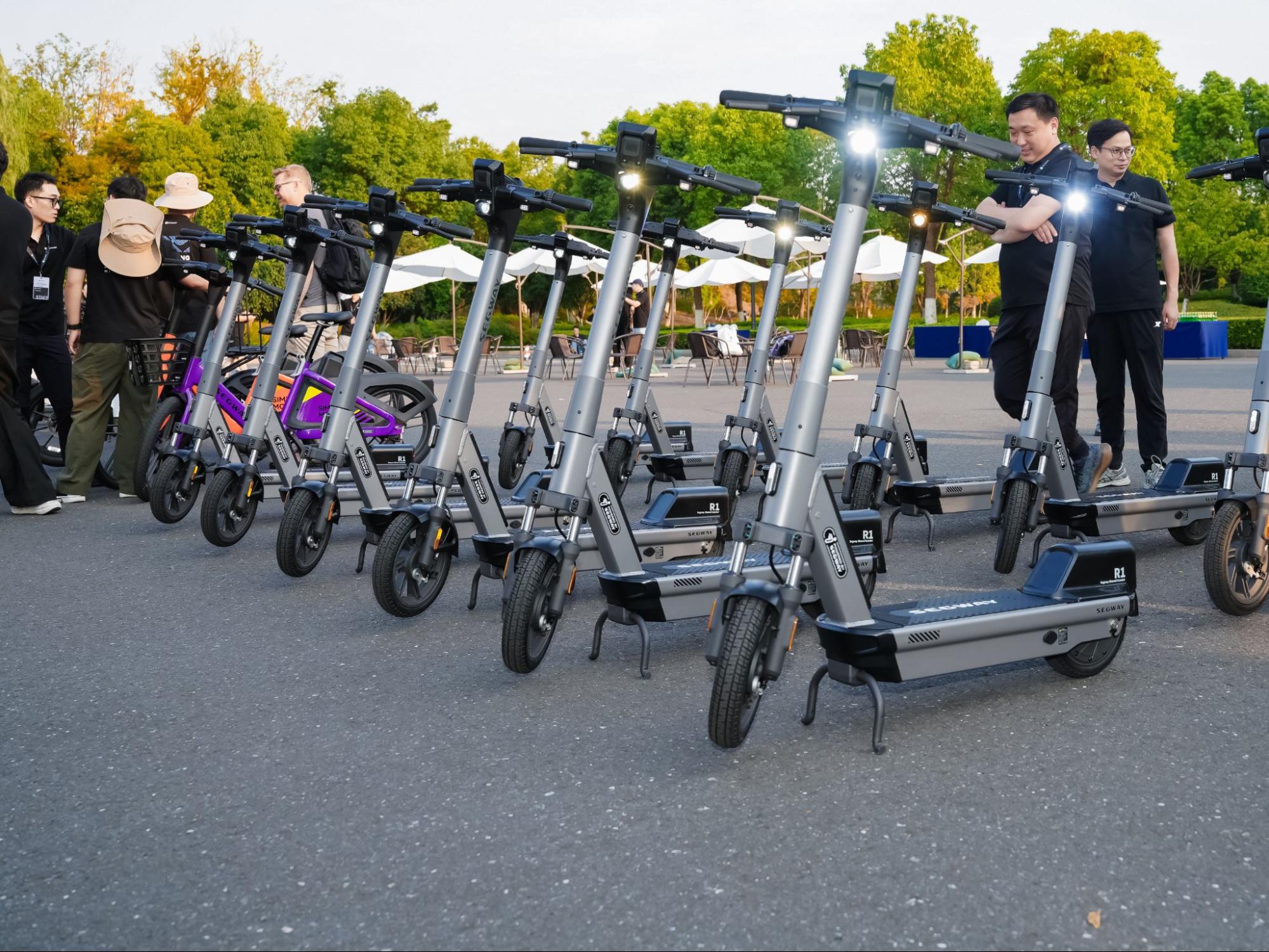
At a product launch event in Changzhou, Segway introduced the R1, an e-scooter designed specifically for the shared micromobility market. Rather than chasing flashy features, the R1 focuses on the core challenges that operators face daily: durability, operational efficiency, and meeting the evolving demands of city regulators. This shift toward practicality signals a broader maturation in the shared scooter industry, where the initial hype has given way to a need for sustainable, long-term solutions.
Shared fleets are notoriously hard on vehicles. Scooters are left out in the elements, ridden by countless users with varying levels of care, and often subjected to rough handling. Segway’s R1 appears to address this by prioritizing ruggedness and ease of maintenance. While specific technical details were not disclosed in the announcement, the emphasis on durability suggests features like reinforced frames, swappable batteries, and modular components that can be quickly replaced when wear and tear occur. This approach can significantly reduce downtime and extend the lifespan of each unit, directly impacting an operator’s bottom line.
Lean operations are another key theme. Shared micromobility companies have struggled with the logistics of charging, repairing, and redistributing scooters. A scooter that is simpler to service and requires fewer trips to a workshop can cut costs dramatically. The R1 seems to be engineered with this in mind, potentially incorporating design choices that streamline maintenance workflows. By making it easier to keep scooters on the street, Segway aims to help operators achieve higher utilization rates and better serve riders.
City demands are also shaping the design. Municipalities are increasingly strict about safety, parking, and accessibility. The R1 likely complies with or exceeds these requirements, offering features that address common complaints such as obstructed sidewalks or reckless riding. While the source does not specify which cities or regulations were considered, the focus on meeting city demands indicates that Segway is working closely with urban stakeholders to ensure the R1 can be deployed widely without regulatory friction.
The R1’s launch comes as the shared e-scooter market continues to consolidate. After a period of rapid expansion and subsequent retrenchment, operators are now looking for reliable vehicles that can withstand the rigors of daily use while keeping costs in check. Segway, already a major supplier to shared fleets worldwide, is positioning itself as a partner that understands these realities. The R1 may not be the most exciting scooter on the spec sheet, but its back-to-basics approach could be exactly what the industry needs to build a more sustainable future.
What do you think?