
Safeloop Study: How to Make EV Battery Recycling Profitable in Europe
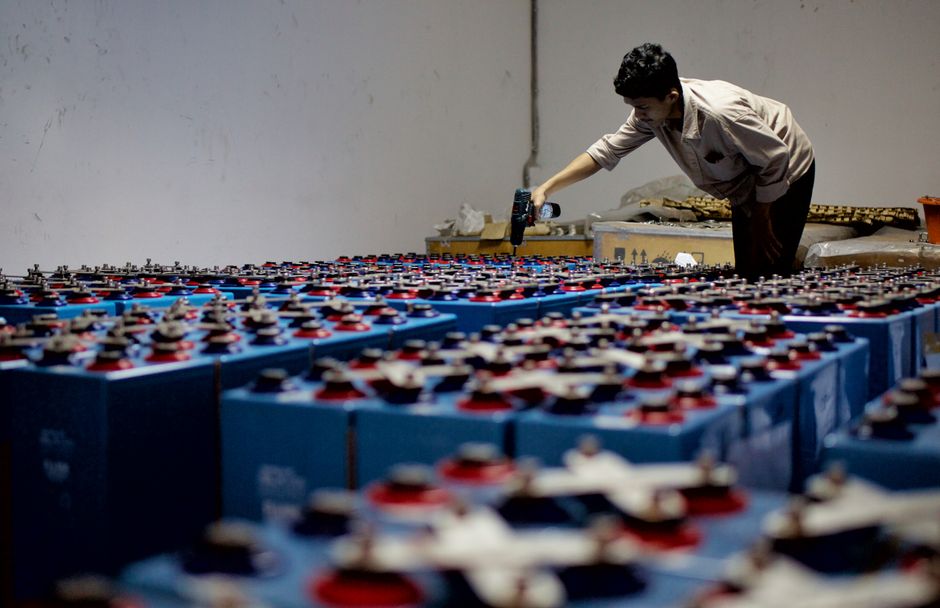
The European battery recycling sector faces a major economic hurdle: despite being technically advanced, recycling electric vehicle (EV) batteries currently costs more than it returns. A new study from the EU-funded Safeloop project puts the loss at around €1.90 per kilogram of battery pack. This means that for every tonne of batteries processed, recyclers lose nearly €1,900, making the business model unsustainable without subsidies or other measures.
The study, which analyzed the entire recycling chain, points to two main areas where improvements could turn the tide. The first is business models: instead of focusing solely on material recovery, companies could adopt strategies that add value, such as offering battery refurbishment or second-life applications before final recycling. The second area is process efficiency—streamlining collection, sorting, and material extraction could cut costs significantly. The researchers believe that a combination of these approaches could eliminate the current deficit and make recycling a viable industry.
These findings come at a crucial time, as the EU pushes for greater circularity in its battery supply chain, aiming to reduce dependence on imported raw materials. However, without economic incentives, recycling capacity may not scale fast enough to meet future demand. The study underscores that policy support, such as extended producer responsibility schemes or tax breaks for recycled content, may be necessary to bridge the gap until economies of scale are achieved.
What do you think?