
Rivian's $5 Million Bet on 3D Printing Is About to Go Factory-Wide
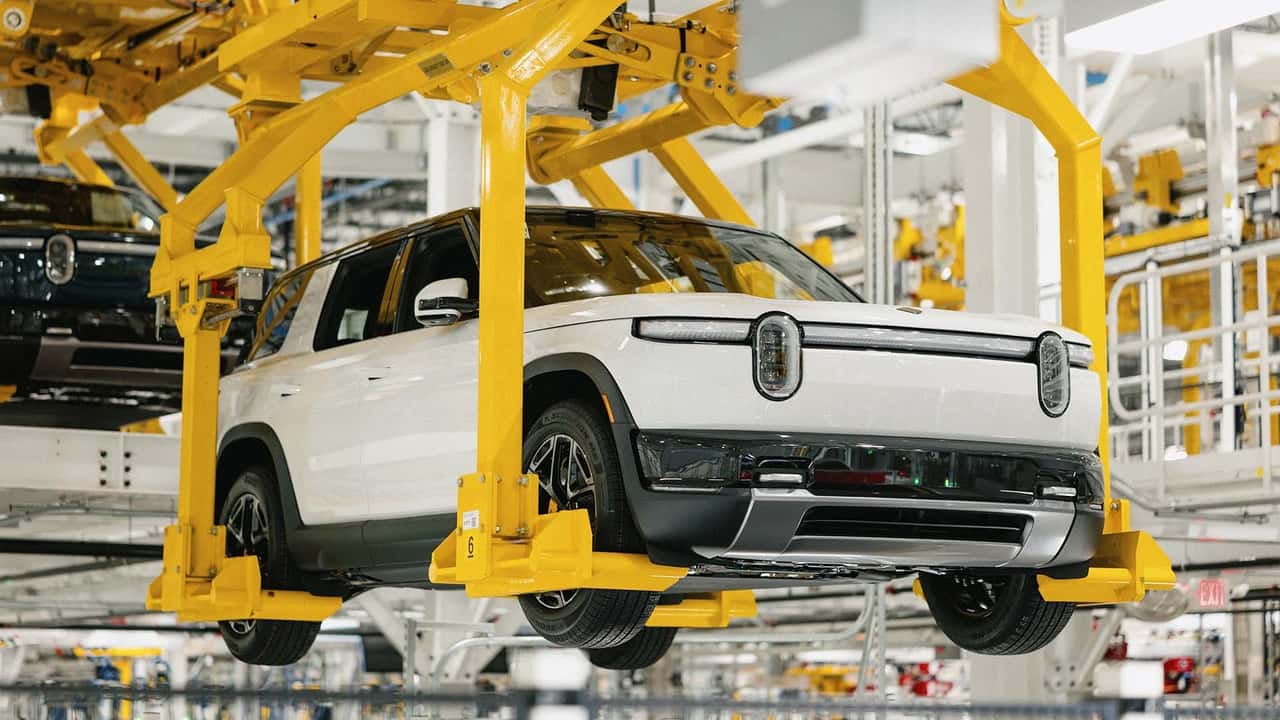
Rivian has poured more than $5 million into 3D printers, and the company is now moving the technology from a small Detroit workshop onto the floor of its main plant in Normal, Illinois. The goal is simple: let engineers print the parts they need, when they need them.
Jonathan Dankenbring, who leads additive manufacturing at Rivian, told CNBC the company has little choice but to expand. “We’re going to be democratizing 3D printing for the entire company,” he said.
From Steering Wheel to Stamping Press
The R2’s steering wheel started life as a printed prototype before becoming a metal component. Rivian has also used the machines for electric motors destined for fluid testing, screw guides for tooling, inserts for stamping presses, and even early-build trim pieces.
The next phase adds printers capable of producing flexible silicone parts. A new bay of machines at Normal — where the entire Rivian lineup rolls off the line — will let staff print components on demand rather than waiting on an outside supplier.
The Numbers: Over $5 million spent on 3D printers · Roughly $1.7 million a year on raw materials · Cost savings “well in the millions” versus traditional prototyping
That $1.7 million annual materials bill sounds steep for what could pass as expensive shop toys. But Dankenbring argues the math works. Producing small batches in-house trims supplier tooling costs, cuts freight, and pulls production time from weeks down to days — sometimes hours.
Why Speed Beats Sticker Price
It’s the turnaround time that really matters. Traditional prototyping means involving at least one external supplier and expensive stamping equipment, which slows every design iteration. Printing a part in-house lets an engineer hold a physical prototype almost immediately.
Rivian is far from alone here. Tesla, Ford, General Motors and plenty of others have been leaning on additive manufacturing as the hardware has become cheaper, faster and more precise. A decade ago a 3D printer carried an eye-watering price tag; today hobbyists can pick one up for a few hundred dollars.
The Normal rollout is where the strategy gets tested at scale. If engineers can design, print and iterate without leaving the building, Rivian stands to shave time and money off both development and production — a useful edge for a young automaker still working toward profitability.
Photo: Rivian / InsideEVs · Official Press Kit / Editorial (Editorial / Press Kit)
Source: InsideEVs
What do you think?