
Rio Tinto Tries Hot-Brick Heat Battery to Wean an Alumina Refinery Off Fossil Fuels
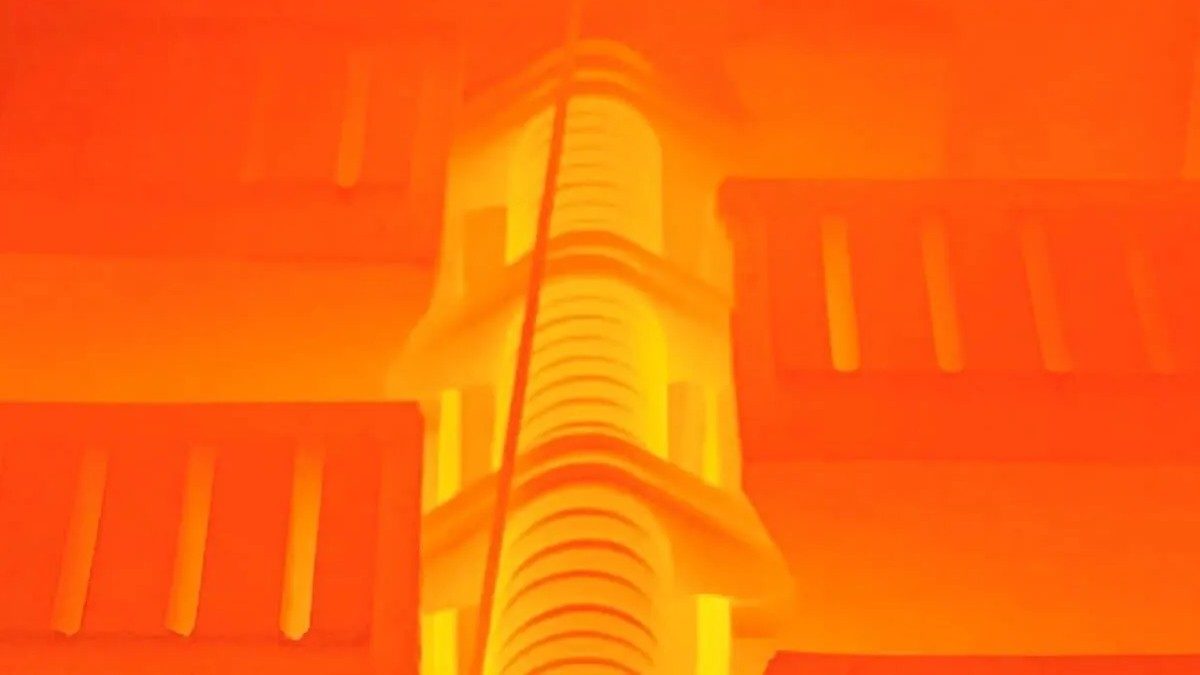
Rio Tinto is testing whether a pile of superheated bricks can replace some of the coal and gas that keeps its Yarwun alumina refinery running. The mining major has kicked off engineering and design work with California’s Rondo Energy on what would be Australia’s biggest planned thermal storage system — and a first for the alumina sector.
The concept is simple enough: cheap midday electricity heats refractory bricks, the bricks hold that heat, and the stored energy is later turned into steam for the refinery’s existing network. Sunlight fades, but industrial heat demand does not.
At a glance: 360 MWh of thermal storage · up to 30 MW of heat output · 78 MW electrical charging capacity · ~67,000 tonnes of CO2 avoided per year
That last figure is Rio Tinto’s own estimate, and it’s modest in context — roughly 5% of Yarwun’s steam needs. Still, alumina refining is one of the harder corners of heavy industry to clean up, and even a partial swap counts.
Why alumina is such a stubborn problem
Alumina is the white powder that becomes aluminium metal, and the global refining side of the business pumps out around 175 million tonnes of CO2 equivalent every year. High-pressure steam is the sticking point. You can’t run these plants on intermittent solar alone.
Rondo’s angle is to charge fast when power is plentiful and release heat steadily around the clock. The proposed Yarwun unit would take in electricity at 78 MW — considerably faster than it gives heat back — so it can soak up surplus grid power in short windows.
Also attractive for the refinery: the battery would plug into equipment already on site. The study will look at whether that integration can deliver reliable high-pressure steam at a price that stacks up.
Who’s paying
The Australian Renewable Energy Agency is putting up A$3.6 million for the study, matched by Rio Tinto. If the project goes ahead, ARENA has earmarked up to A$38 million for deployment, with a further A$33.3 million in contingency support. Rio Tinto says its lifetime investment would likely top ARENA’s contribution.
- Study phase: A$3.6 million from ARENA, matched by Rio Tinto
- Deployment (if approved): up to A$38 million from ARENA
- Contingency: A$33.3 million additional support
- Timeline: roughly 12 months for the feasibility study
Armando Torres, who runs Rio Tinto’s Pacific operations, was blunt about the difficulty: cutting emissions from alumina refining is complex, he said, “particularly when it comes to generating the high-pressure steam needed for our operations.” The study, in his words, is about finding out whether thermal storage is technically and economically viable for part of Yarwun’s steam load.
Dr. Kira Rundel, Rondo’s Australia head, framed it as a broader opportunity — cheap electricity becoming an industrial advantage rather than just a grid curiosity.
Nothing is built yet. This is a study, and a 12-month one at that. But for a sector that has few credible paths away from gas-fired boilers, hot bricks are suddenly on the table.
Source: Electrek
Curious how this compares to other EVs? Try our comparison tool →What do you think?