
Ricardo's UK Emissions Lab Logs Its 2,000th Vehicle, 750,000km of Testing
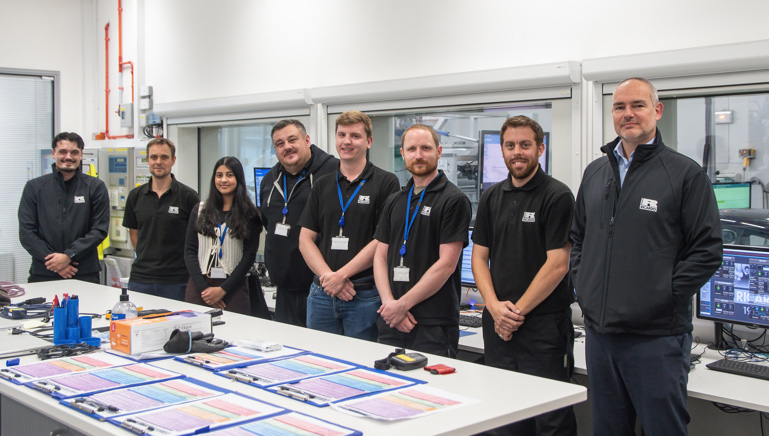
Ricardo has pushed its 2,000th vehicle through the UK Vehicle Emissions Research Centre (VERC), a threshold reached only after more than 25,000 individual tests and some 750,000km of chassis dynamometer running over an 11-year span. The facility’s workload has shifted over that period: alongside tailpipe pollutant measurement, VERC now spends much of its time quantifying energy consumption and driving range for battery-electric and hybrid models, a dual mandate that reflects how quickly regulatory attention has spread from exhaust chemistry to electrical efficiency.
VERC opened in 2015, timed to the roll-out of the Worldwide Harmonised Light Vehicle Test Procedure, and became the first independent British site accredited by the Vehicle Certification Agency to run those tests. That accreditation matters to automakers because it gives them an outside party able to document compliance rather than relying solely on in-house results.
The hardware underpinning the milestone is built for extremes. The four-wheel-drive dynamometer can operate in ambient temperatures from minus 30°C to plus 55°C, with humidity held under control throughout. Its analysers break down emissions into individual pollutant species to satisfy current standards and the forthcoming Euro 7 regime, while separate high-voltage instrumentation logs how much electrical energy a vehicle actually draws.
Tim Bassett, who heads testing at Ricardo, put the accumulated distance into context, noting the roughly 47 weekly tests the site has averaged across a wide range of vehicles. He said the total equates to about 18 circuits of the globe, or close to a round trip to the Moon. Bassett also framed the work as foundational support for an industry navigating tighter emissions limits and the shift toward electrified powertrains, describing the figures as evidence that the lab is helping develop the next generation of propulsion systems and curb pollutants harmful to both the environment and human health.
The milestone arrives as laboratories face a widening brief. Euro 7 will demand finer-grained pollutant accounting, while electrified vehicles need independent verification of range and consumption claims that regulators and buyers increasingly scrutinise. An accredited third-party site capable of doing both under one roof sits at the intersection of those pressures — and after 11 years, Ricardo is positioning VERC as a proving ground for whichever propulsion technology comes next.
What do you think?