
Renault Weighs French EV Investment Against State Leverage
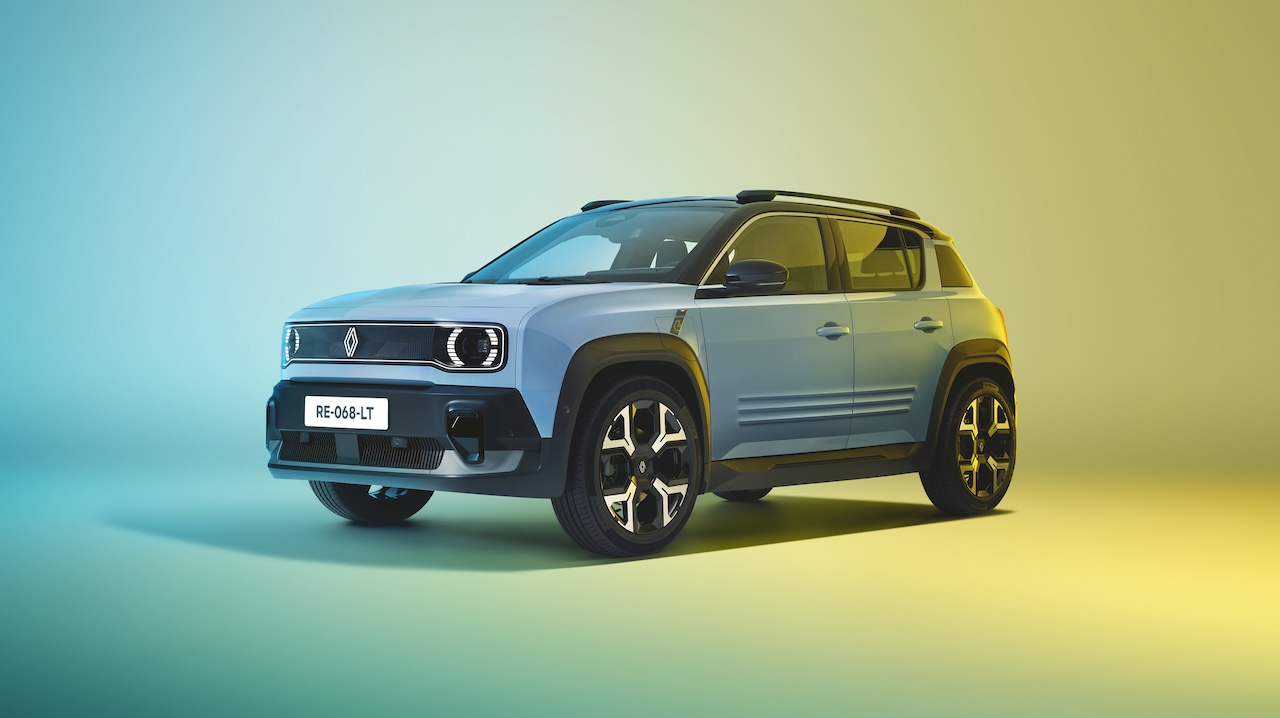
Renault is sitting on a rare bargaining position as France pushes forward with record demand for electric vehicles. The automaker has committed a conditional €10bn (roughly US$11.3bn) investment and outlined plans for 16 electric models by 2030, giving it real flexibility over where that money and production ultimately land. That flexibility is the point: Renault can dangle the promise of French jobs and factory activity in exchange for more favorable government support, while keeping the option of expanding elsewhere open.
Those alternatives are not hypothetical. Spain, India and Slovenia remain viable sites for future production, which means Paris is not the only card Renault can play. The company can effectively shop its investment around, using the threat of moving capacity abroad as a negotiating tool when terms in France fall short of what it wants.
The wider European picture reinforces why governments are eager to keep automakers close. The first half of the year marked a symbolic milestone: internal combustion vehicles slipped below half of global sales for the first time, a shift that has made EV manufacturing capacity a strategic asset rather than just a commercial decision.
Beyond Europe, battery policy is shifting in ways that could ripple across supply chains. China has introduced a new tax on lithium-ion batteries, a move that tilts incentives toward sodium-ion technology. Because sodium-ion cells rely on more abundant, cheaper materials, the policy change could accelerate interest in alternatives to lithium, particularly for affordable models where cost pressure is greatest.
Smaller electric vehicles are also getting more competitive. Suzuki’s first kei-class EV has been positioned to undercut BYD’s Racco on price, even though it draws on cells from a BYD affiliate. That dynamic captures the current state of the market: automakers compete fiercely on cost and positioning even as they depend on shared supply networks to make their vehicles viable.
What do you think?