
Renault Trucks' Normandy Plant Turns 70, With Diesel and Electric Trucks Sharing One Line
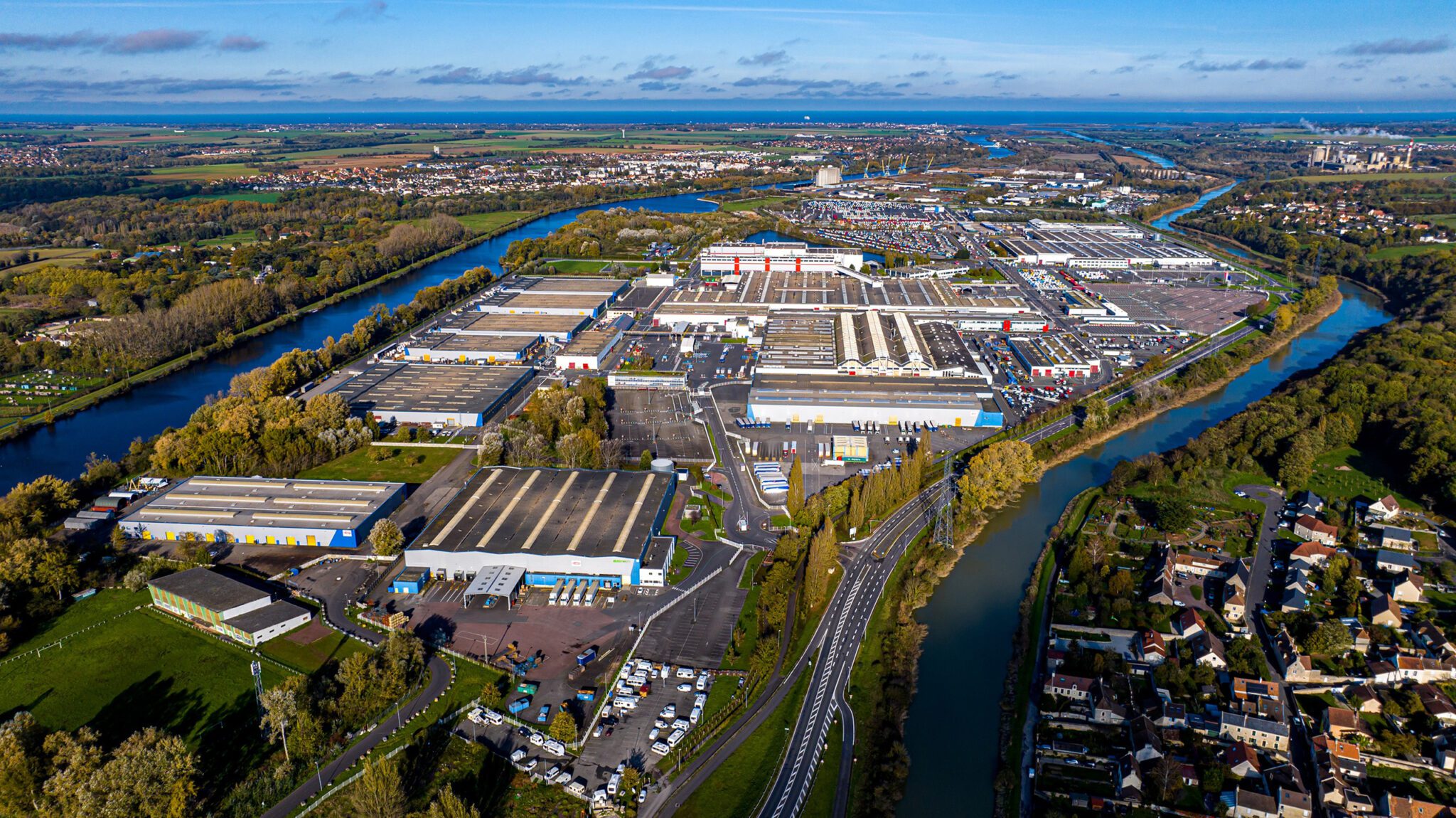
Renault Trucks is celebrating seven decades of vehicle production at its Blainville-sur-Orne facility in Normandy, a site that now stands out for building diesel and electric trucks side by side as demand for battery-powered commercial vehicles gradually matures. The plant manufactures cabs for the truckmaker’s entire range and, according to the company, became Europe’s first factory to begin series production of electric trucks in 2020. Since then, it has rolled out more than 3,000 E-Tech D and D Wide models.
Located in the Calvados region, the factory employs 2,400 people and assembles medium-duty trucks in both diesel and electric form. The electric lineup spans the 12- to 16-tonne E-Tech D and the 19- and 26-tonne E-Tech D Wide, vehicles that serve urban delivery, refuse collection, fire and emergency services, and construction work. That mix of applications reflects how electric trucks are moving from pilot projects into everyday vocational roles.
Production volume is only part of the story. A 2,500-square-metre customer adaptation centre opened at the site in 2021, allowing specialist teams to install bespoke equipment or carry out larger modifications before trucks leave the factory gates. This kind of in-house customization has become increasingly important for fleet operators who need vehicles tailored to specific jobs rather than off-the-shelf configurations.
The site’s history stretches back well before trucks. It began life as a shipyard, Chantiers Navals Français, which built cargo and naval vessels from 1917 until closing in 1954. Two years later, Renault subsidiary Saviem opened a vehicle plant there. Ownership then passed to Renault Véhicules Industriels in 1978 and to the Volvo Group in 2001. Over the decades, military trucks, heavy-duty ranges and vans have all come off its lines. The Saviem SG light commercial range alone reached 292,500 gasoline and diesel units between 1965 and 1988, while Euro VI emissions rules prompted a full range renewal in 2013 that introduced the D and D Wide models built there today.
The anniversary highlights a broader industry reality: established combustion-engined manufacturing and emerging electric output can coexist on a single site while the market for zero-emission heavy vehicles continues to develop. For Renault Trucks, the milestone is as much about the road ahead as the decades behind it.
What do you think?