
Renault Revives the Minivan: E-Space Concept Channels 1980s Espace in Electric Form
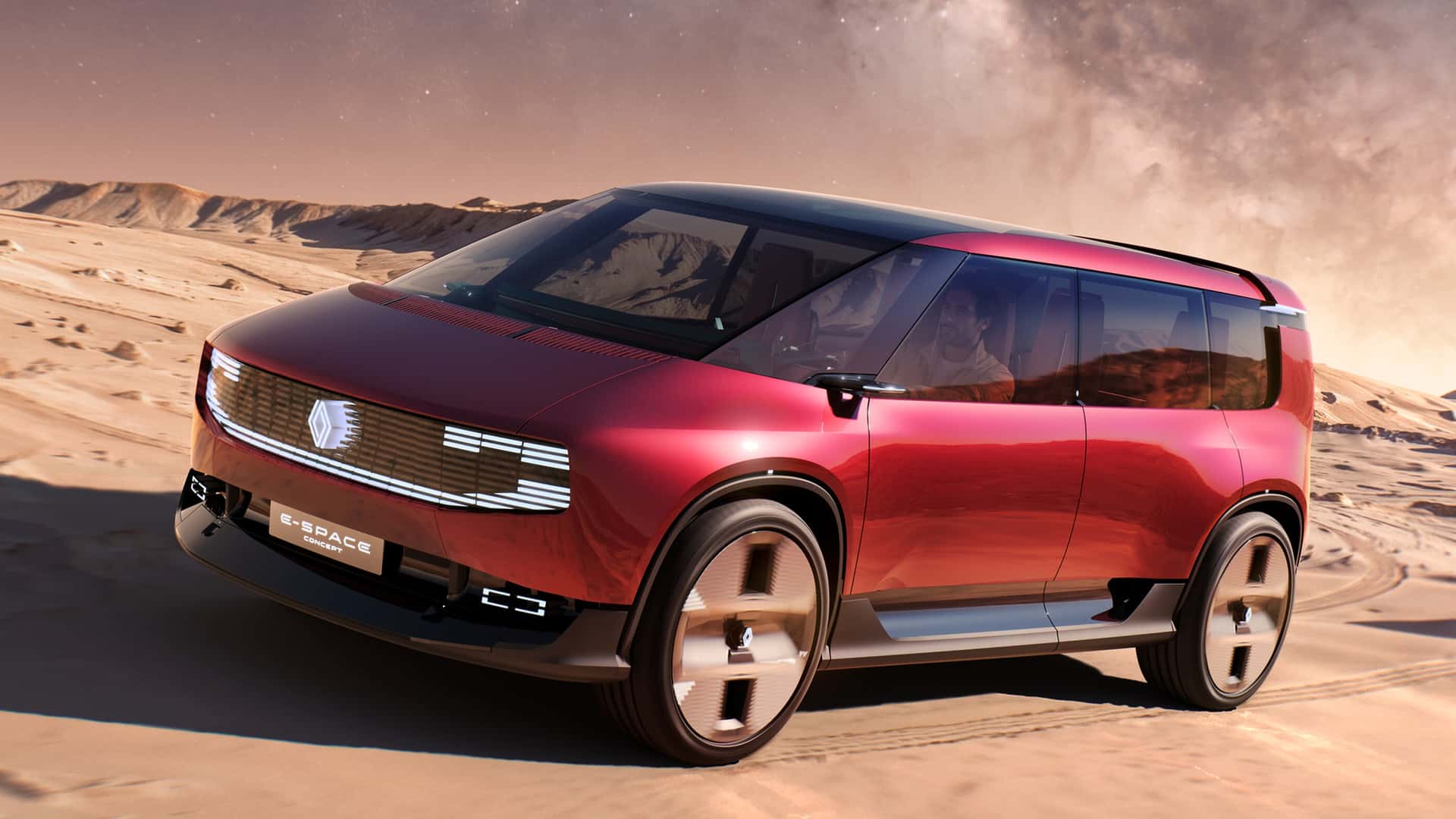
Renault is making a bold bet that the family minivan still has a future—and it’s wrapping that bet in a body that nods unapologetically to the 1980s. The French automaker has unveiled the E-Space Concept, a fully electric people carrier that reinterprets the original 1984 Espace for the modern era. The vehicle will take center stage at Renault’s stand during the Paris Motor Show, which opens on October 12.
Why does this matter? Minivans have been steadily squeezed out of showrooms as SUVs convinced families they were the smarter buy. Renault, however, sees an opening. The brand frames the E-Space as a “reboot” and “a future-focused vision of the original,” positioning it as a possible direction rather than a confirmed production car. The company has tied the concept to its Futuready strategy, hinting that a road-going electric MPV could eventually land in its lineup.
Measuring 185 inches (4,700 millimeters) long, the E-Space carries a digitized front fascia anchored by a wide U-shaped light bar that echoes the squared-off nose of the original Espace. A nearly 360-degree glasshouse includes a raked A-pillar quarter window carried over from the 1984 model, while the rear D-pillar wraps around the roof and appears to float slightly away from the body. Digital cameras replace conventional side mirrors, slim tires sit on oversized wheels, and the door handles have been tucked away entirely.
Renault has not released interior photos or technical specifications, promising more details once the concept debuts in Paris. The automaker stresses the E-Space is purely a design study for now, though it openly admits to exploring what a production version could look like. Stacking a minivan on a flat electric platform is a natural fit—flat floors and compact drivetrains free up cabin space in ways combustion layouts never could.
The original Espace, developed with Matra, was celebrated for squeezing up to seven seats into a remarkably compact footprint. Its rear seats could be removed, and the front seats swiveled, letting owners convert the boxy interior into a van or a camping lunch spot. Whether Renault can translate that clever packaging into an electric era remains the open question—and one the Paris show may begin to answer.
What do you think?