
Renault Goes All-In on LFP Batteries, Teases E-Space Concept for Paris
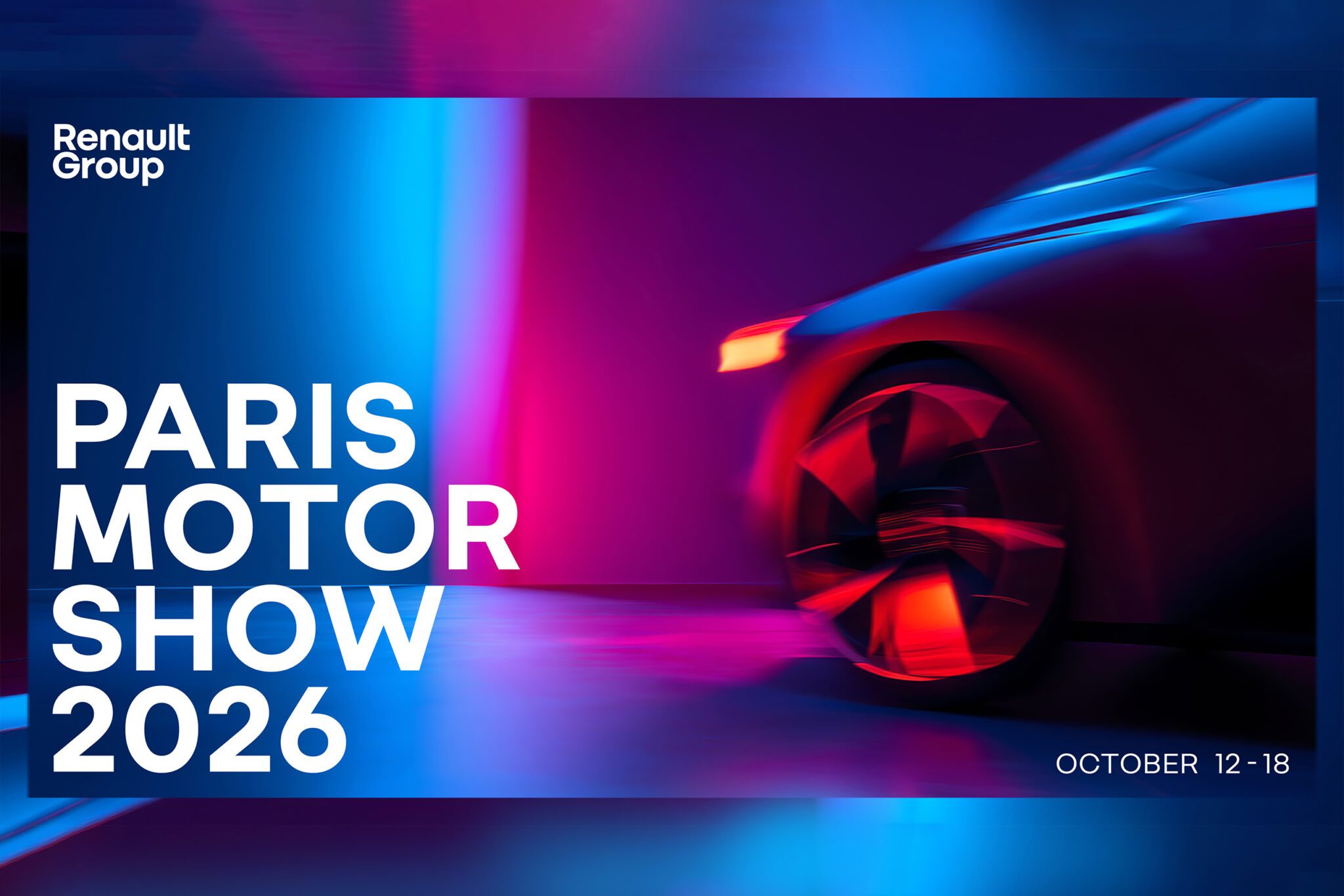
Renault is making a decisive bet on lithium iron phosphate (LFP) chemistry as the backbone of its electric passenger car lineup, a move the company frames as a direct answer to buyer demand for cheaper EVs with competitive range. The French automaker has confirmed it will roll out LFP packs across its entire electric passenger range, and it plans to pull the wraps off a new show car — the E-Space Concept — at the Paris Motor Show on 12 October 2026.
The E-Space Concept is described as an electric family car that revives the spirit of the original 1984 Espace, the pioneering people-mover that reshaped European family transport. Renault has kept specifics close to its chest, disclosing only that the concept measures 4.70 metres long and wears a black rubé finish. The show stand will not be a one-car affair: Renault will also bring the Renault 8 Gordini and Renault 4 JP4x4 concepts, the 555 hp Renault 5 Turbo 3E prototype, and the Trafic Van E-Tech Electric, which currently holds the International Van of the Year 2027 title.
The chemistry shift is already well underway. Twingo and Megane were the first to adopt LFP, and Scenic and Renault 5 have now followed, with Renault 4 set to join shortly after. Renault’s LFP packs are built using cell-to-pack construction, a layout that trims weight and cost by skipping traditional module housings. Capacities vary by model: 27.5 kWh in the Twingo, 37 kWh in the Renault 5, and 67 kWh for both the Megane and Scenic.
The updated Megane E-Tech Electric illustrates what the approach delivers in practice. Its 67 kWh LFP battery provides up to 500 km of range and can charge from 15% to 80% in 24 minutes — a 25% improvement in fast-charging performance. The numbers underline Renault’s core rationale: rather than chasing maximum energy density, the company is optimising the balance between price and usable range, a calculation that matters more than ever as affordability becomes the decisive factor in European EV adoption.
Renault is also extending value to vehicles already on the road. Google’s Gemini assistant will be delivered to cars equipped with the OpenR Link system via an optional over-the-air software update, meaning owners can add the feature without a trip to the dealership. It is a notable example of how software updates are becoming a retention tool for automakers — and a sign that Renault intends to keep its existing fleet competitive while the hardware story pivots toward cheaper battery chemistry.
What do you think?