
Ford's CEO Confirms Six Affordable Models Are in the Works
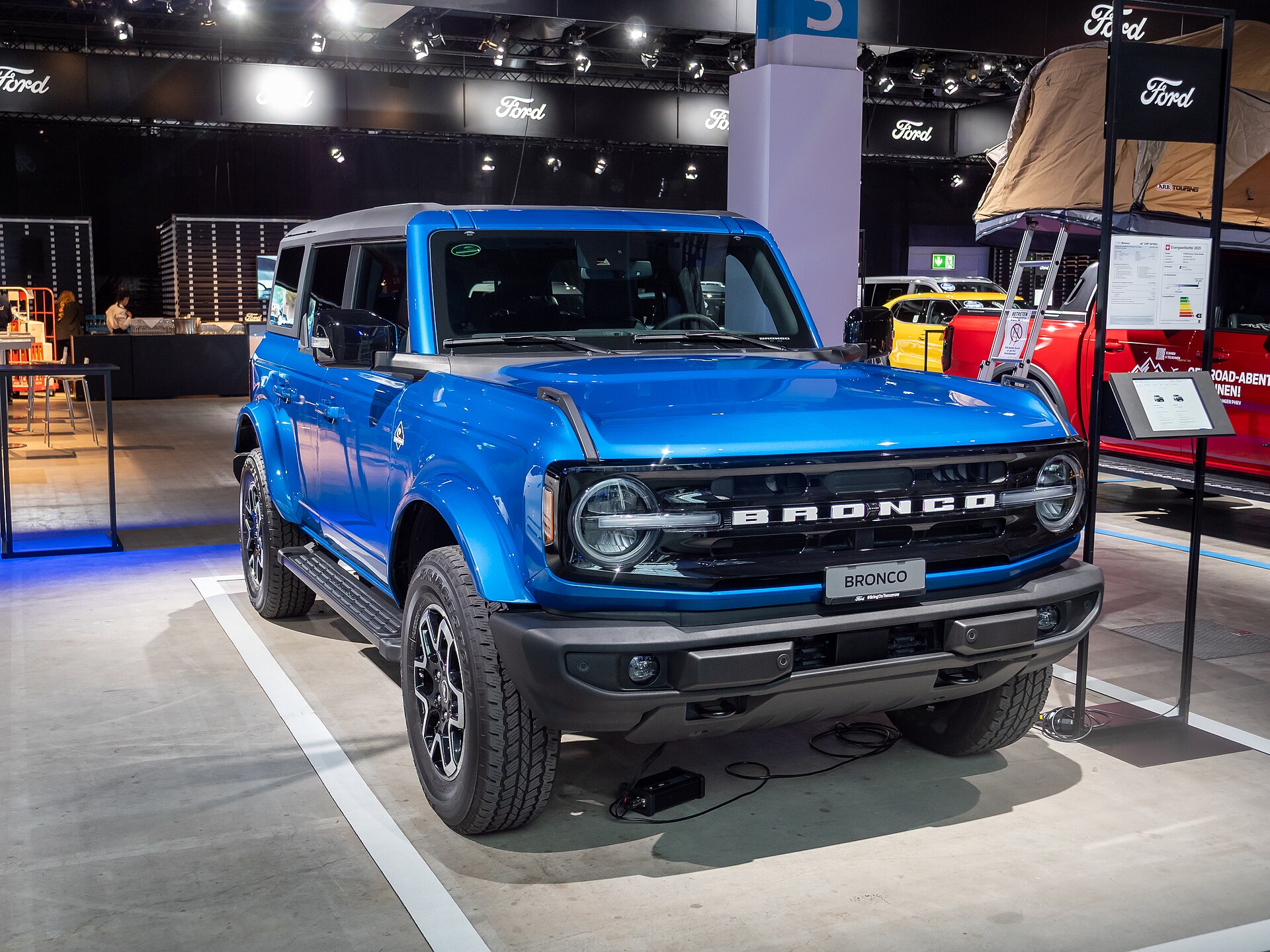
Ford CEO Jim Farley has confirmed that the company is developing six new affordable vehicles, a move aimed at strengthening its position in the value-focused segment of the market. The announcement, reported by Ford Authority, signals a strategic shift toward more budget-friendly options as consumer demand for lower-priced cars grows. While specific details about the models—such as pricing, launch dates, or powertrain choices—remain undisclosed, the confirmation underscores Ford’s commitment to broadening its appeal beyond premium and electric offerings.
The global automotive industry has seen a surge in interest for affordable vehicles, driven by economic pressures and changing buyer preferences. Competitors like Toyota, Honda, and Hyundai have long dominated the affordable segment, and Ford’s push could be a response to losing ground in that area. By investing in six new models, Ford appears to be hedging its bets, potentially covering a range of body styles and fuel types, from compact cars to small SUVs. This could also align with the company’s broader electrification strategy, as affordable electric vehicles are increasingly seen as key to mass adoption.
However, the lack of concrete details leaves several questions unanswered. Will these vehicles be electric, hybrid, or traditional internal combustion? Will they be targeted at specific markets like North America, Europe, or emerging economies? And how will Ford balance affordability with profitability, especially as the cost of raw materials and technology rises? Farley’s statement alone doesn’t provide these answers, but it does indicate that Ford is actively working to address a gap in its lineup. The move could also be a preemptive strike against new entrants from China and other regions that are aggressively pushing low-cost EVs.
Industry analysts suggest that Ford’s success in this endeavor will depend on its ability to leverage existing platforms and partnerships to keep costs down. The company has already made strides with vehicles like the Maverick, a compact pickup that starts at a relatively low price point, proving that affordability doesn’t have to mean compromise. If Ford can replicate that formula across six new models, it could revitalize its showrooms and attract a new generation of buyers. Still, execution will be critical, and the timeline remains unclear.
For now, Farley’s confirmation is a strong signal that Ford is listening to market demands. As the automotive landscape evolves, the company’s ability to deliver on this promise could shape its future competitiveness. More details are expected to emerge in the coming months, but until then, the announcement serves as a reminder that even giants must adapt to survive.
What do you think?