
Renault CEO Signals Conditional €10bn French Investment Push
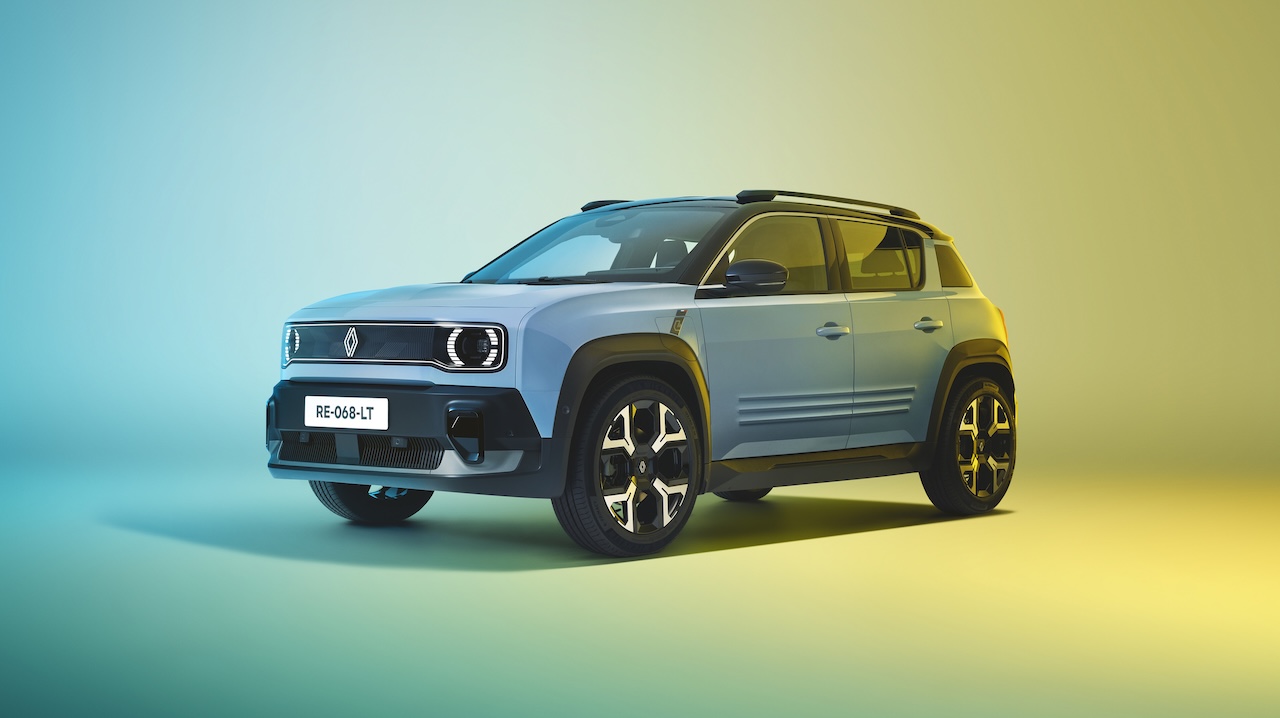
Renault’s chief executive, François Provost, has outlined an ambition to channel €10bn (roughly US$14.6bn) into France across the coming five years, placing affordable vehicles and electrification at the centre of that plan. The figure was raised during a 3 October appearance on the French-language radio station France Inter, where the executive framed the commitment as contingent rather than guaranteed. According to Provost, the spending would move ahead “if the social and political context allows it” — a caveat that leaves the timeline and scope of any investment dependent on conditions beyond the automaker’s control.
The juxtaposition of a multi-billion-euro pledge with an explicit conditionality is notable. Renault has spent recent years repositioning its industrial footprint and product line around more accessible electric models, and France sits at the heart of that strategy. A €10bn programme would represent one of the larger single-market commitments any European automaker has floated in the current cycle, touching manufacturing, supply chains and the affordability question that increasingly determines whether mainstream buyers make the switch to battery power.
Yet the wording matters. By tying the plan to the broader social and political climate, Provost appears to be signalling that labour relations, regulatory direction and consumer incentive frameworks all weigh on how aggressively Renault can move. That is a familiar posture for European OEMs navigating a period of uneven EV demand, shifting government support and cost pressure across the value chain.
The announcement also lands amid a wider picture of electric adoption in France, where EVs continue to gain ground. For Renault, a manufacturer with deep domestic production ties, the question is less whether electrification advances than how fast and at what price point — affordability being precisely the area Provost highlighted.
What remains unclear is how the conditional framing will be received. A commitment hedged on external circumstances gives the company room to adjust, but it also invites scrutiny over how firm the underlying intent really is. Whether the €10bn materialises as described — and on what schedule — will depend on developments Provost has deliberately left open.
For now, the message is one of ambition paired with caution: a large number attached to a strategy that Renault says it is ready to pursue, provided the surrounding environment cooperates.
What do you think?