
Real-World Testing Finds Three-Quarters of New Australian Cars Burn More Fuel Than Lab Claims
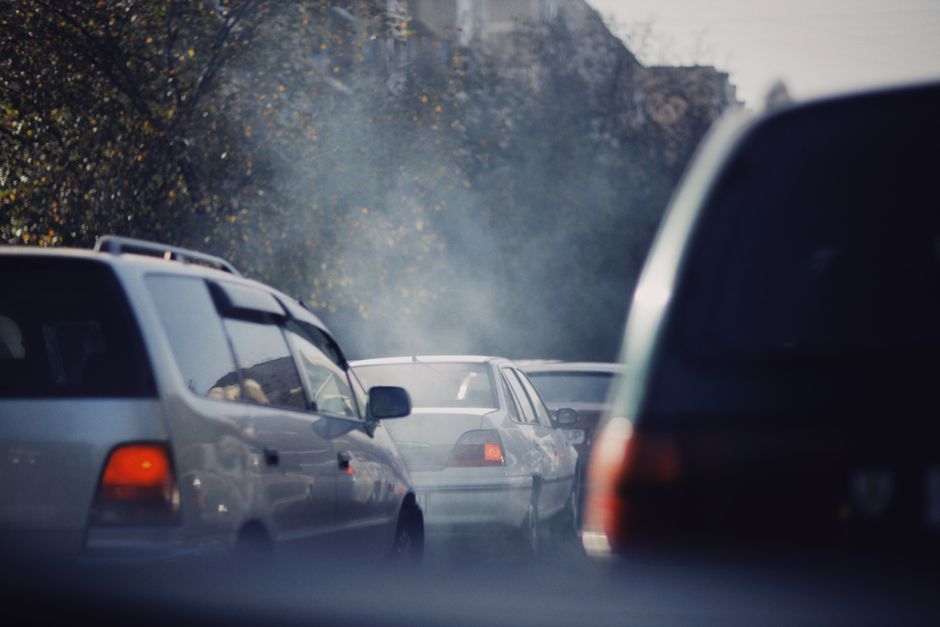
A sweeping real-world testing program in Australia has revealed a persistent gap between the fuel economy figures automakers advertise and what vehicles actually consume on the road. According to the results, roughly three out of every four new cars sold in the country use more fuel than their official laboratory rating suggests.
The findings underscore a long-standing criticism of lab-based testing procedures, which are conducted under controlled conditions that rarely mirror everyday driving. Factors such as traffic congestion, air conditioning use, payload, and driving style all push real consumption above the neatly curated numbers printed on showroom stickers. Buyers relying on those figures for budgeting can therefore face noticeably higher running costs than expected.
While the testing focused on fuel use rather than emissions specifically, the two are closely linked in internal combustion and hybrid vehicles: more fuel burned generally means more carbon dioxide released. That connection gives the results weight in a market where policymakers and consumers alike are weighing the transition toward electrified powertrains, including hybrid and plug-in hybrid options that promise lower consumption.
The scale of the discrepancy — affecting the majority of new vehicles tested — suggests the issue is systemic rather than limited to a handful of outliers. It also raises questions about how effectively current certification regimes inform consumer choice, and whether regulators will move to tighten or supplement lab testing with on-road verification.
For Australian drivers, the practical takeaway is caution: advertised efficiency should be treated as a best-case scenario rather than a guarantee. As the country continues to debate vehicle efficiency standards and incentives for cleaner technology, independent real-world data of this kind is likely to play an increasingly central role in shaping both regulation and buyer expectations.
What do you think?