
QNX Posts Record Quarter as Software-Defined Vehicle Deals Accelerate
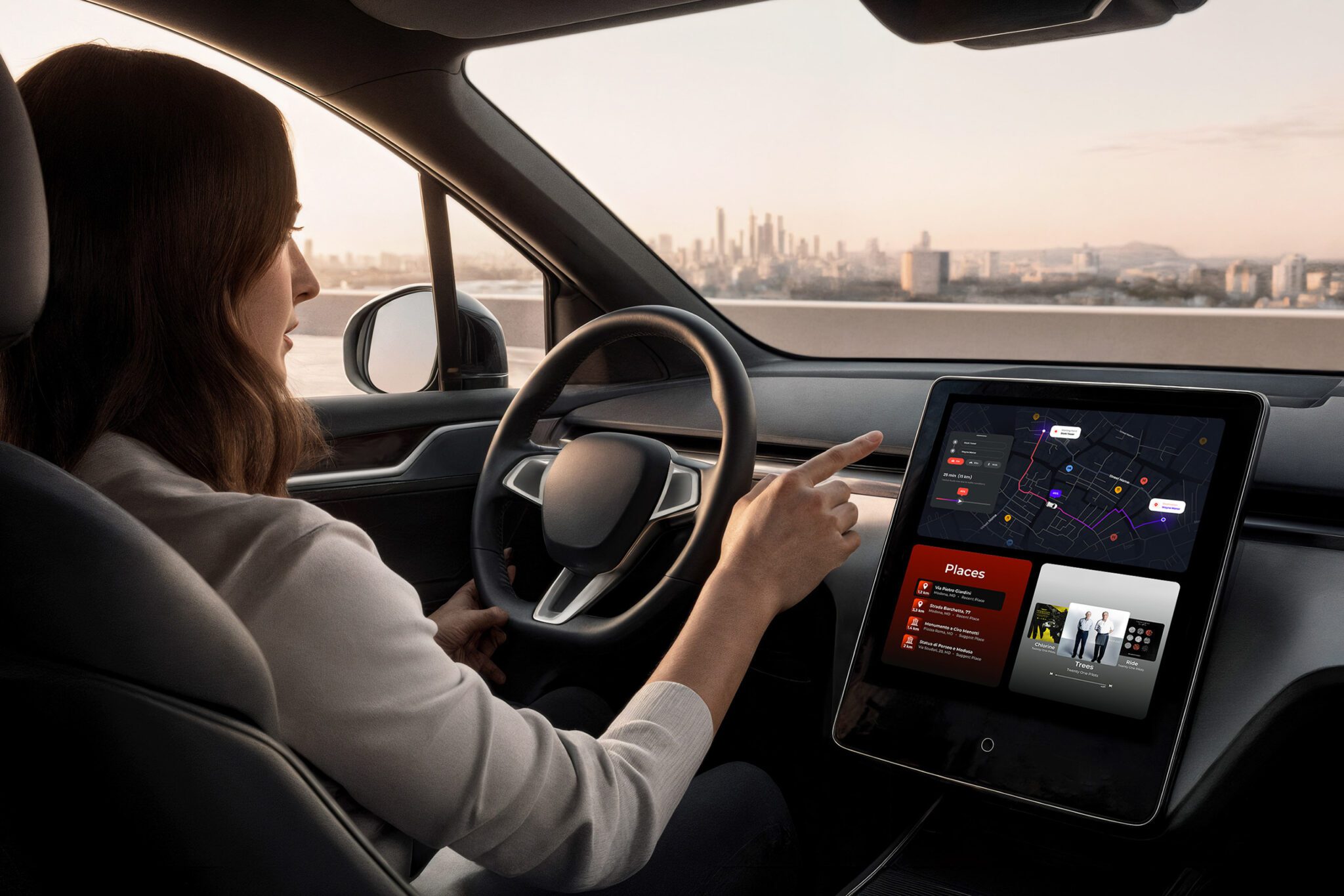
BlackBerry’s QNX business unit has reported record quarterly revenue of US$80.3 million, a 27% increase, according to the latest Software-Defined Vehicle Newsletter. The figure underlines how central embedded software has become to the automotive industry, where operating systems and middleware now sit at the heart of everything from infotainment to safety-critical functions.
The same roundup shows automakers lining up partners to build out their software stacks. Nissan has tapped Valeo as lead system supplier for its next-generation ProPilot driver assistance technology, which will rely on AI driving software from Wayve. The arrangement pairs a major Tier 1 supplier with a specialist AI developer, a structure that is becoming common as carmakers look to speed up work on automated driving features without developing every layer in-house.
In another tie-up, KGM plans to combine a software-defined vehicle platform from Hyundai Mobis with RideFlux’s AI-based driving system in future production cars. The plan points to how quickly SDV architecture is spreading beyond the largest global players, with smaller manufacturers leaning on established suppliers to add advanced software capabilities.
Meanwhile, a major German automaker has chosen neueHCT’s smart camera system, which runs on QNX software, for a global platform scheduled to enter production in 2027. The selection gives QNX another design win in a safety-relevant application and shows how camera-based sensing continues to expand across new vehicle platforms.
Taken together, the developments highlight the breadth of the software-defined vehicle push: a software vendor celebrating record revenue, an automaker outsourcing driver assistance to a supplier-plus-AI pairing, another brand assembling an SDV stack from two partners, and a German giant locking in camera technology years ahead of production.
What do you think?