
Public AC Chargers Without Cables: A Practical Guide for EV Owners
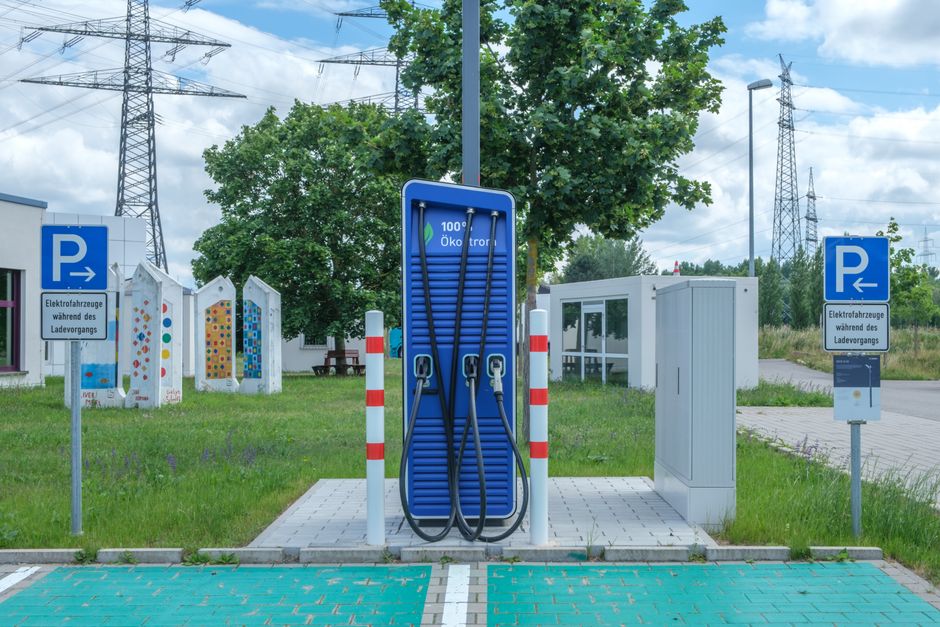
Public AC chargers are a popular choice for EV owners who want to save money while charging. They are cheaper than DC fast chargers, but they also charge slower, which means you may have time to grab a coffee, do some shopping, or catch a movie. However, a common challenge is that many of these chargers do not come with a built-in cable. This means you need to carry your own Type 2 charging lead to connect your electric car to the unit.
Before you head out, it’s crucial to check whether the charger requires you to bring your own cable. Most AC public stations in Europe and Australia, for example, are ‘cable-less’ to reduce theft and vandalism. If you arrive without your cable, you won’t be able to charge, so it’s always wise to have one in your boot. You can buy a Type 2 to Type 2 cable from many automotive stores or online retailers.
When you use your own cable, the process is straightforward. Plug one end into the car and the other into the charger, then authenticate the session via the app or RFID card provided by the charging network. Some chargers may also have a socket that requires you to press a button to release the connector. After charging, remember to disconnect the cable from your car first, then from the charger, and store it neatly in your vehicle. This not only keeps you prepared but also helps maintain the cable’s longevity.
If you are unsure about the charger’s availability or compatibility, many apps show photos and user comments indicating whether a cable is required. Planning ahead can save you from being stranded and ensure a smooth charging experience. Always check the charging network’s app or website for real-time information, and consider carrying an extension cable if you own an EV that supports it, though this is less common.
What do you think?