
Peak Energy Bets on Sodium-Ion Batteries to Undercut Lithium on Lifetime Cost
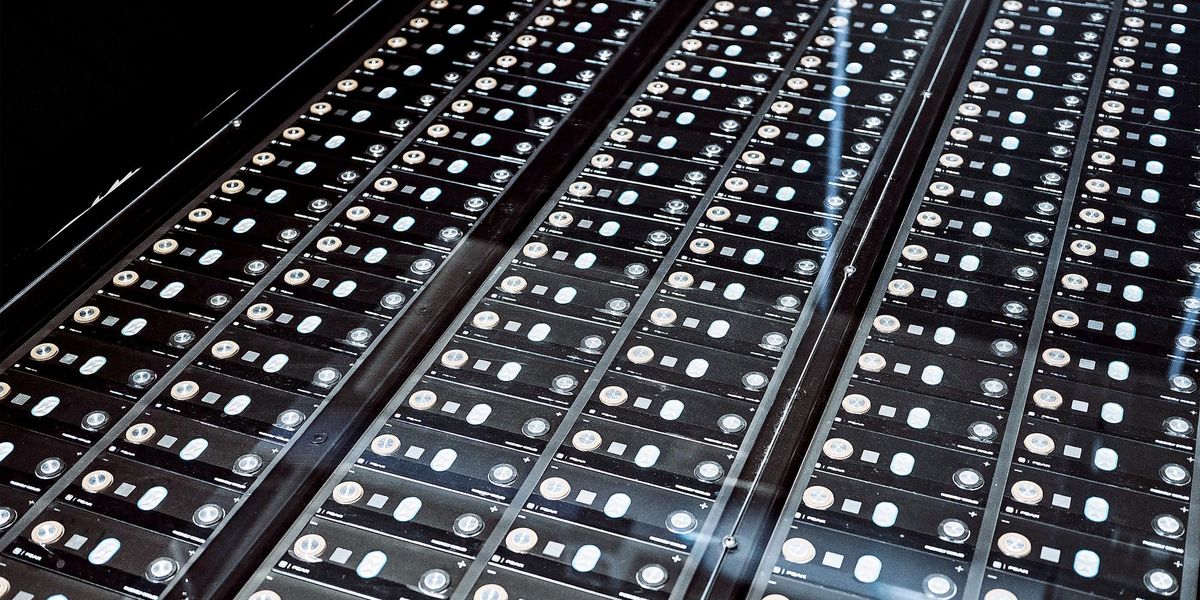
Sodium-ion battery technology has long been viewed as a promising alternative to lithium, but the challenge has always been translating that promise into a competitive product. Peak Energy is now positioning itself as a company that believes it can do exactly that, with a focus on lifetime cost rather than just upfront price. The argument is straightforward: sodium is abundant and cheap, and if a battery can deliver a long enough service life, the cost per kilowatt-hour delivered over its entire lifespan could beat lithium-based chemistry.
The distinction between sticker price and lifetime cost matters for grid-scale energy storage, where batteries are cycled far more aggressively than in electric vehicles. A sodium-ion pack that costs slightly more upfront but survives thousands more cycles can end up cheaper per unit of energy stored and discharged. Peak Energy is leaning into this logic as its core differentiator, aiming to convince utilities and project developers that the math favors sodium over lithium iron phosphate and other incumbents.
Sodium-ion cells also sidestep some of the supply chain and geopolitical concerns associated with lithium, cobalt, and nickel. Sodium is widely available, which reduces exposure to volatile commodity markets and concentrated refining capacity. For stationary storage projects that do not need the energy density required by passenger EVs, that trade-off is increasingly attractive.
The company faces real competition, however. Lithium iron phosphate has already driven costs down dramatically and is being deployed at massive scale for grid storage. Sodium-ion will need to prove not only that it can match that cost curve but that it can do so reliably at scale, with manufacturing partners capable of delivering consistent quality. Peak Energy’s bet is that lifetime cost, not headline price, will be the deciding factor for the next wave of storage procurement.
What do you think?