
Nissan's China-Built Frontier Pro Marks a New Export Era
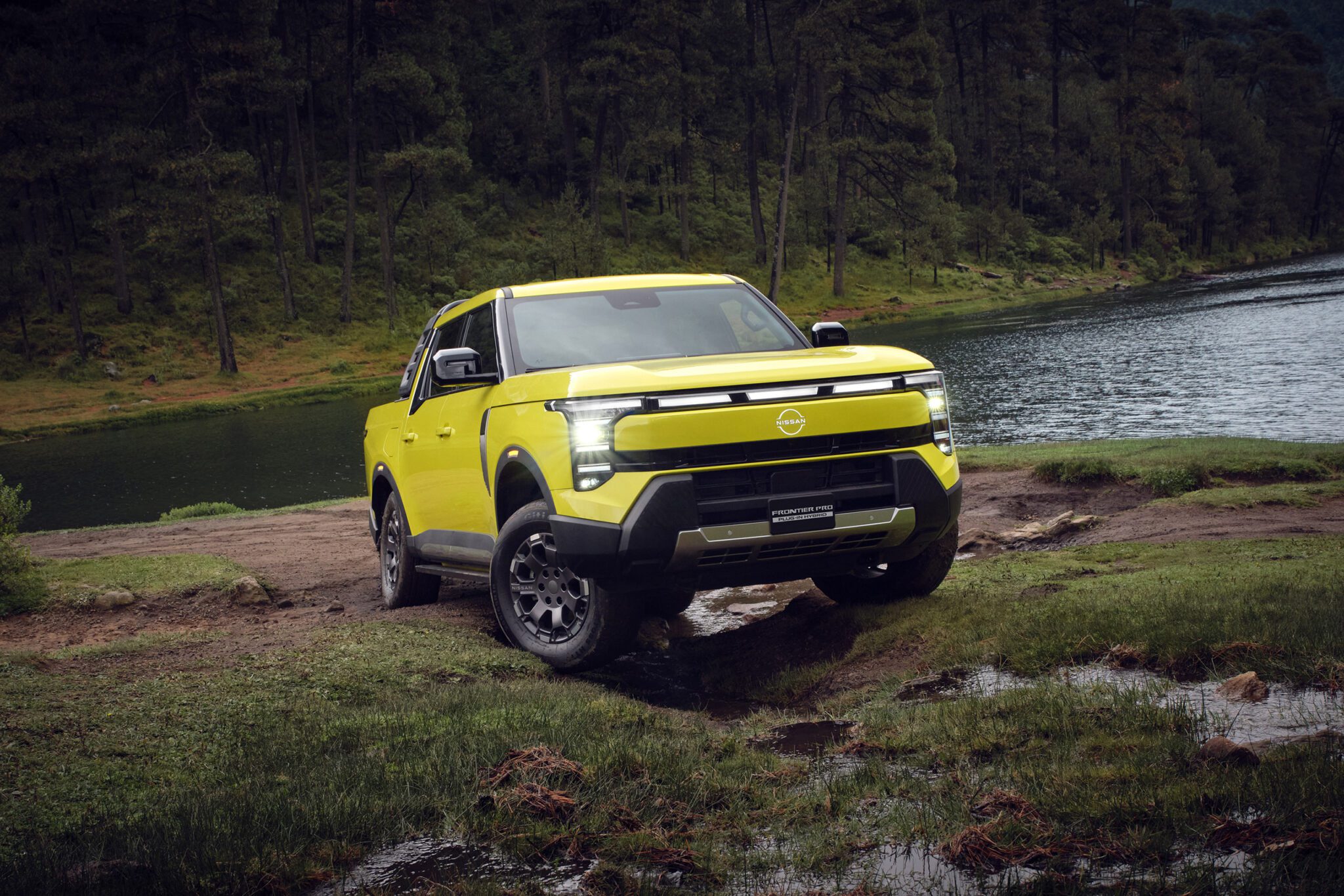
Nissan is preparing to launch the Frontier Pro pickup in Mexico this October, a milestone that carries significance well beyond a single model debut. The truck is the first Nissan vehicle designed and manufactured in China specifically for export to global markets, a shift that repositions the country from a mere sales territory into an engineering and production hub for the automaker’s international ambitions.
The Frontier Pro, sold as the Navara Pro in certain regions, will reach the Philippines, the Middle East and additional Latin American markets before the end of the year. Australia and New Zealand are slated to follow in 2027. The vehicle is developed and assembled by Zhengzhou Nissan, the company’s Chinese joint venture, which built the truck to meet Nissan’s global production standards.
Powertrain options vary by region, reflecting a tailored approach to local market demands. Latin America, ASEAN and Oceania will receive 1.5-litre or 2.0-litre plug-in hybrid variants equipped with vehicle-to-load functionality, making the Frontier Pro Nissan’s first electrified pickup. Customers in the Middle East, by contrast, will be offered conventional gasoline and diesel engines.
Nissan’s decision to export a China-engineered pickup signals a broader strategic pivot. The company also plans to ship its N7 electrified sedan from China to ASEAN and Latin American markets, suggesting that the Frontier Pro is not an isolated experiment but the beginning of a wider sourcing realignment. Guillaume Cartier, Nissan’s Chief Performance Officer, framed the launch as evidence of the company’s ability to combine advanced technology, performance and durability in a package suited to everyday use, describing it as a demonstration of Nissan’s capacity to draw on global expertise.
The move comes as global automakers increasingly look to China not only as a vast consumer base but as a competitive base for vehicle development and manufacturing. For Nissan, the Frontier Pro represents a test of whether its Chinese operations can deliver products that meet the expectations of buyers across diverse markets, from the deserts of the Middle East to the highways of Australia.
What do you think?