
Nissan's 2025 Sales Stagnate: Tariffs and Product Missteps Take Their Toll
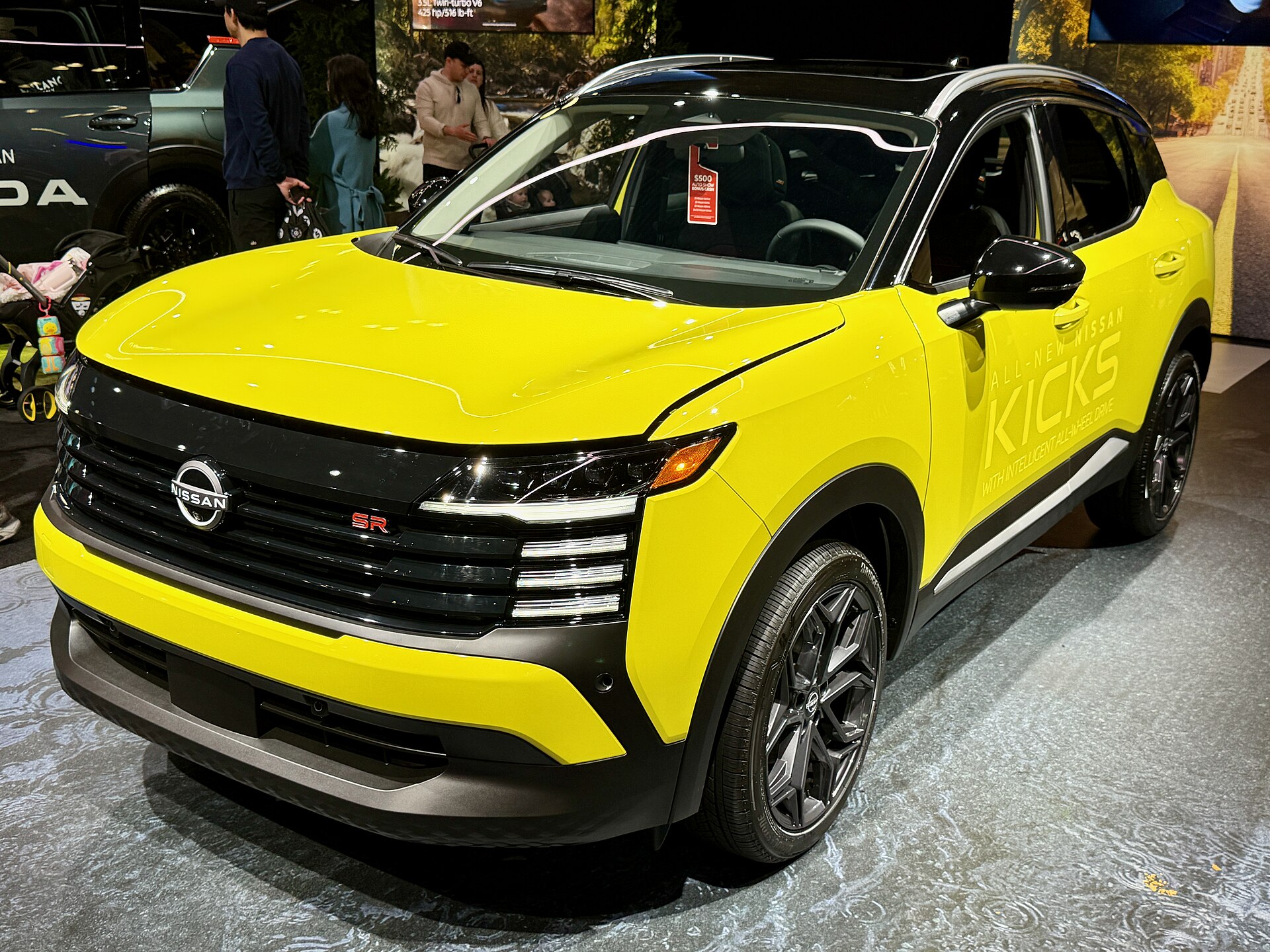
Nissan faced a challenging 2025 as its sales remained flat, weighed down by tariffs and what many analysts describe as product missteps. The automaker’s performance underscores the difficulties of navigating a rapidly evolving automotive landscape, where shifting trade policies and intense competition are pressuring established players.
Tariffs played a significant role in dampening Nissan’s sales momentum. Increased duties on imported vehicles and components disrupted supply chains and raised costs, making it harder for Nissan to price its models competitively. This came at a time when consumers were already tightening their belts amid economic uncertainty.
On the product front, Nissan’s lineup struggled to resonate with buyers. While the company has made strides in electrification with models like the Leaf and Ariya, its hybrid offerings have not kept pace with rivals. Competitors such as Toyota and Honda have expanded their hybrid portfolios aggressively, capturing a larger share of the growing demand for fuel-efficient vehicles. Nissan’s slower response in this segment left it trailing.
Moreover, the market’s shift toward SUVs and crossovers has been relentless, and Nissan’s offerings, though competent, failed to stand out. The Rogue, a key model, faced stiff competition from fresher designs and more advanced features in rivals’ showrooms. Meanwhile, the aging Altima sedan saw declining interest as buyers migrated to utility vehicles.
The sales stagnation is a stark reminder of the pressures facing legacy automakers. Nissan’s ongoing turnaround plan aims to streamline operations, reduce costs, and accelerate electrification, but the results are yet to materialize. For now, the company must address its product strategy and external challenges head-on to regain momentum in a crowded marketplace.
What do you think?