
Nio's Battery Swap Network Logs 1.19 Million Swaps in Seven Days
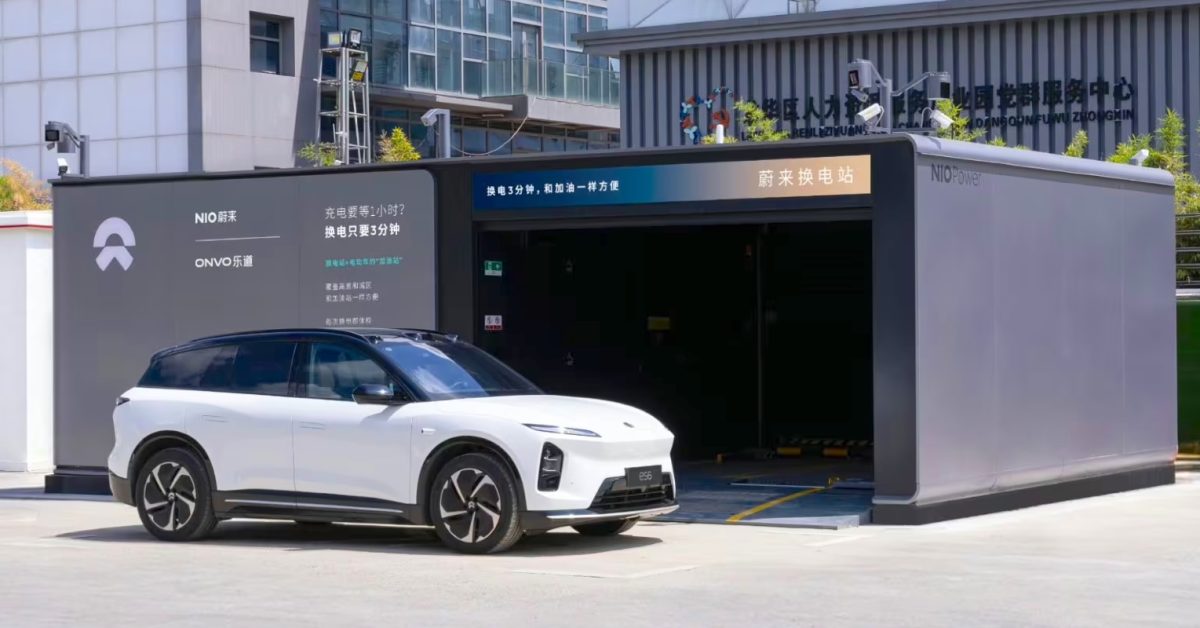
Nio’s battery swap model keeps proving it can operate at a scale that rivals conventional refueling, with the Chinese automaker reporting 1,192,221 consumer battery swaps across its roughly 4,100 swap stations during the October 1-7 National Day holiday period. That figure translates to a daily average roughly 22 percent higher than the same stretch a year earlier, according to a holiday charging and battery swap report the company published on Friday.
The numbers reinforce a pattern Nio has been building all year. The company has repeatedly reset its own records, including six-figure single-day swap totals during the Chinese Lunar New Year, and the National Day week pushed that momentum further. Highway travel drove a significant portion of the demand, and in energy terms the swaps moved more than 24.83 million kWh of electricity — powering zero-emission journeys instead of flowing through cables.
For drivers, the appeal is straightforward. A swap takes roughly three to five minutes from arrival to departure, leaving the vehicle with a fresh battery. That eliminates several pain points that still nag at charging culture: no standing outside in rain or snow, no handling heavy cables, no concerns about being stranded in a stationary car if someone approaches, and no trip hazards for older or disabled motorists. At peak, Nio handled around 175,000 swaps in a single day.
The broader significance is what these volumes say about battery swapping as infrastructure rather than a niche experiment. Nio has long argued that swapping, not ever-faster charging, is the practical answer for long-distance travel. Adding hundreds of miles of range in under two minutes — often quicker than filling a gas tank — is a compelling counterpoint to range anxiety narratives that still shape Western EV coverage. Skepticism about battery ownership remains in some markets, but the holiday data suggests China’s drivers are increasingly comfortable letting the network own that part of the equation.
What do you think?