
Nio and Geely Deepen Partnership With Cross-Investments in Charging and Battery Swapping
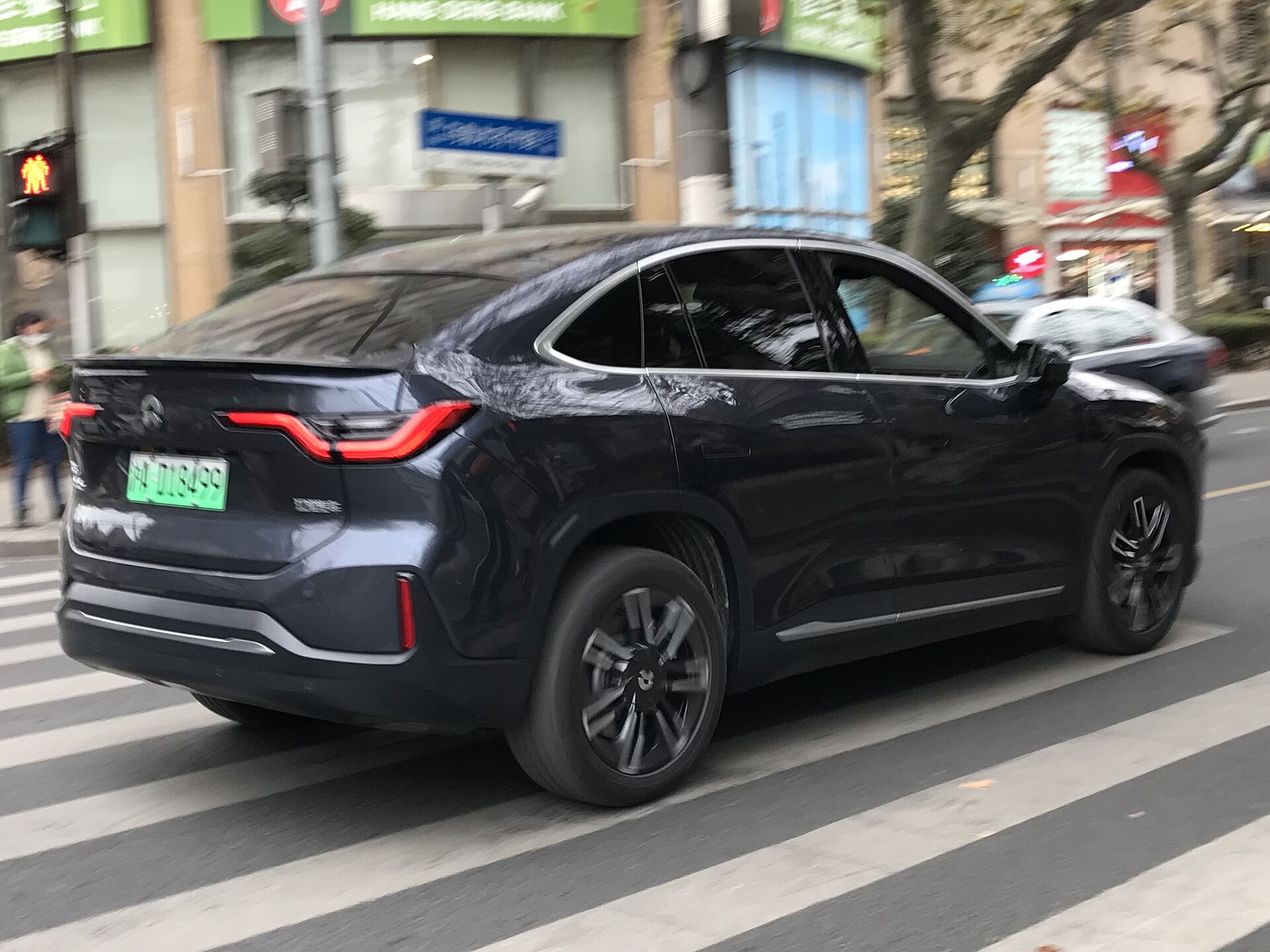
Nio and Geely are taking their long-running cooperation on charging infrastructure and battery swapping to a new level, moving beyond earlier standardisation talks into concrete cross-investments and network integration. Under the deal, Geely will fold its wholly owned subsidiary Yiyi Power into Nio Power and contribute 640 million yuan (roughly 84 million euros), giving Geely a 30 per cent stake in Nio’s energy unit once the transaction closes. Yiyi Power’s existing battery-swap business for commercial mobility services will be absorbed into Nio Power as part of the arrangement. On the other side, Nio is picking up a 10 per cent stake in Geely’s charging infrastructure subsidiary, Haohan Energy, for an undisclosed sum. The two companies also intend to fully interconnect their charging networks, which should extend range for drivers and improve overall utilisation of the infrastructure.
The battery-swapping side of the collaboration is where the two partners are pushing furthest. Nio and Geely plan to jointly develop the technology and standards needed for swappable batteries in passenger cars, and Geely has confirmed it will bring matching models to private customers that will rely on Nio’s Power Swap network, with Nio Power handling the swap services themselves. This builds on an agreement the pair signed in late 2023 to work on common swapping standards for passenger and commercial vehicles, though at the time it was unclear how tightly the systems would be integrated or which Geely models would actually plug into Nio’s swap stations.
For Nio, opening up its network carries clear strategic weight. The company says it has already poured more than 20 billion yuan — around 2.62 billion euros — into charging and swapping technology, and its Chinese network counted 4,126 Power Swap stations plus 5,307 charging locations with 30,598 charging points as of 27 September. Nio is targeting 10,000 swap stations by 2030. Geely’s Haohan Energy, meanwhile, runs 2,500 charging stations with more than 12,000 connectors across 232 Chinese cities, and the group wants to grow that to over 22,000 stations and more than 100,000 charging points by the end of 2027. Just days before this cooperation was announced, Geely also presented a new generation of fast-charging technology rated at up to 2.25 MW peak power.
What do you think?