
NHTSA Opens Rare Negotiated Rewrite of US Vehicle Lighting Rules
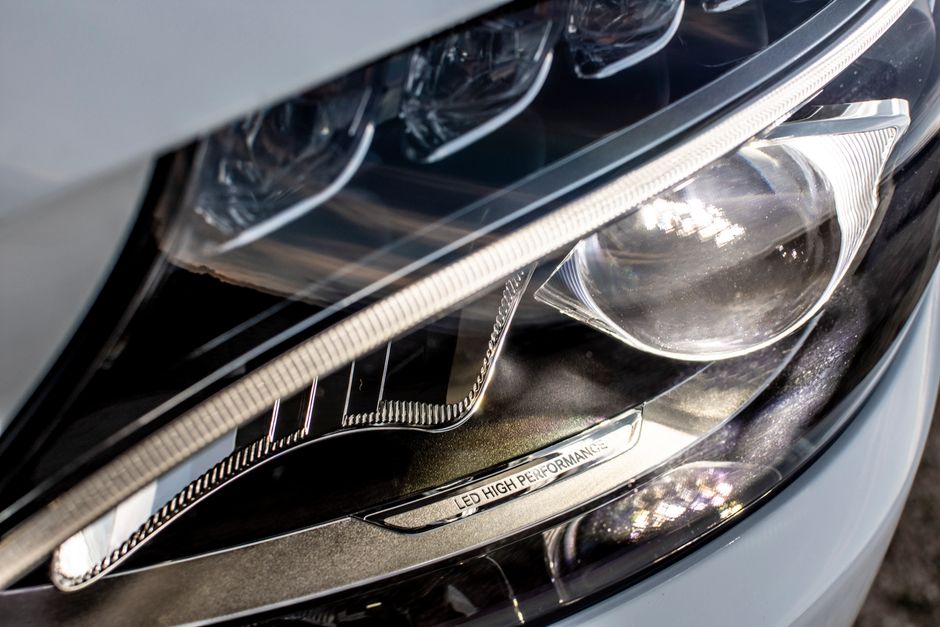
The US National Highway Traffic Safety Administration is launching an effort to overhaul Federal Motor Vehicle Safety Standard No. 108, the regulation that governs how vehicles are lit on American roads. At the centre of the review sits headlight glare, a long-running complaint from drivers, alongside a broader list of technologies that current rules were never written to accommodate.
The scope reaches well past glare. Regulators intend to revisit LED lighting, dusk sensors, replaceable light sources and automatic high beams, as well as how high headlamps sit and where they aim. Testing procedures for plastic optics and replacement lenses are also on the table, together with the thornier question of aligning US requirements with international safety standards.
To get there, NHTSA is turning to negotiated rulemaking — a consensus-building format the agency has not used in more than a quarter of a century. A committee of up to 18 stakeholders will help shape the draft, with Transportation Secretary Sean P. Duffy responsible for appointing lamp manufacturers, equipment and engineering associations, safety advocates and research organisations. Nominations and public comments are due by 9 November 2026.
The commercial stakes are considerable. Lighting suppliers rarely get a direct seat at the drafting table, and closer harmonisation with global rules could reduce the need for lamp designs built exclusively for the US market — a prospect that appeals to manufacturers weighing complexity against compliance.
NHTSA Administrator Jonathan Morrison framed the effort as a catch-up exercise, noting that existing standards block automakers from deploying newer safety-improving lighting technologies. In his statement, he described the collaborative format as a way to modernise outdated regulations, encourage innovation and address the possible sources of glare, all with an eye on making the roads safer for everyone who uses them.
What do you think?