
New ICCT Study Flags Modern Plug-In Hybrids for Higher Real-World CO₂ Than Expected
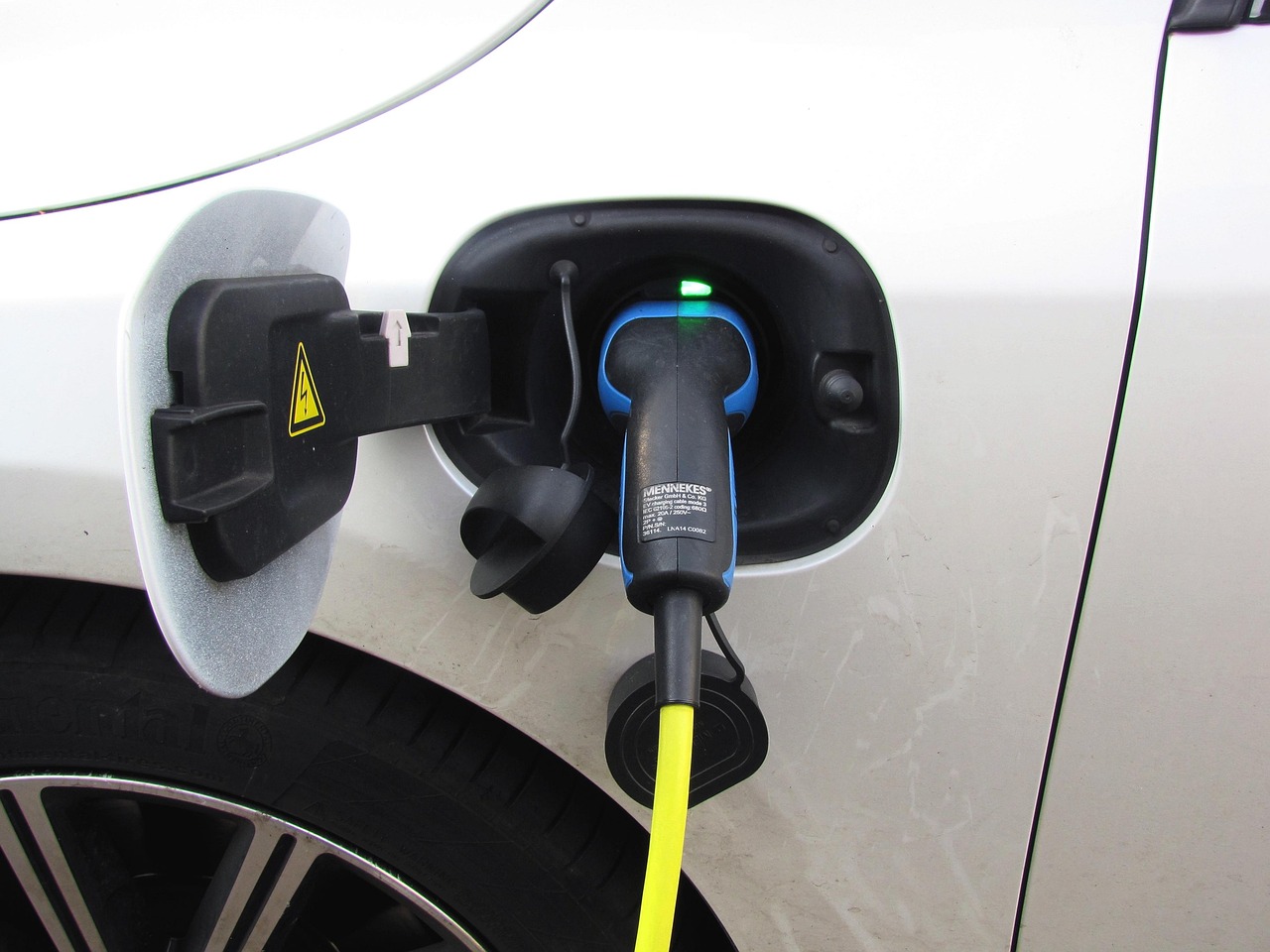
A fresh analysis from the International Council on Clean Transportation (ICCT) is turning up uncomfortable numbers for plug-in hybrids. According to the study, today’s PHEVs are releasing notably more carbon dioxide in real-world driving than their official ratings suggest, a gap that raises fresh questions about how these vehicles are classified and promoted.
The core issue appears to be how PHEVs are used once they leave the showroom. When owners rely on the combustion engine more than test procedures assume, the environmental advantage of the electric portion shrinks considerably. That undercuts the idea that plug-in hybrids are a straightforward stepping stone toward fully electric mobility.
For buyers, the takeaway is not that PHEVs are pointless, but that their green credentials depend heavily on charging habits. Drivers who plug in regularly and cover shorter daily distances will still see meaningful benefits; those who treat the car as a conventional hybrid will not.
Regulators and automakers now face pressure to reconcile laboratory figures with on-road performance. The ICCT’s findings add weight to calls for more realistic testing and clearer consumer information around plug-in hybrid emissions.
What do you think?