
New ICCT Analysis Reaffirms Lifetime Emissions Advantage of Electric Cars in Europe
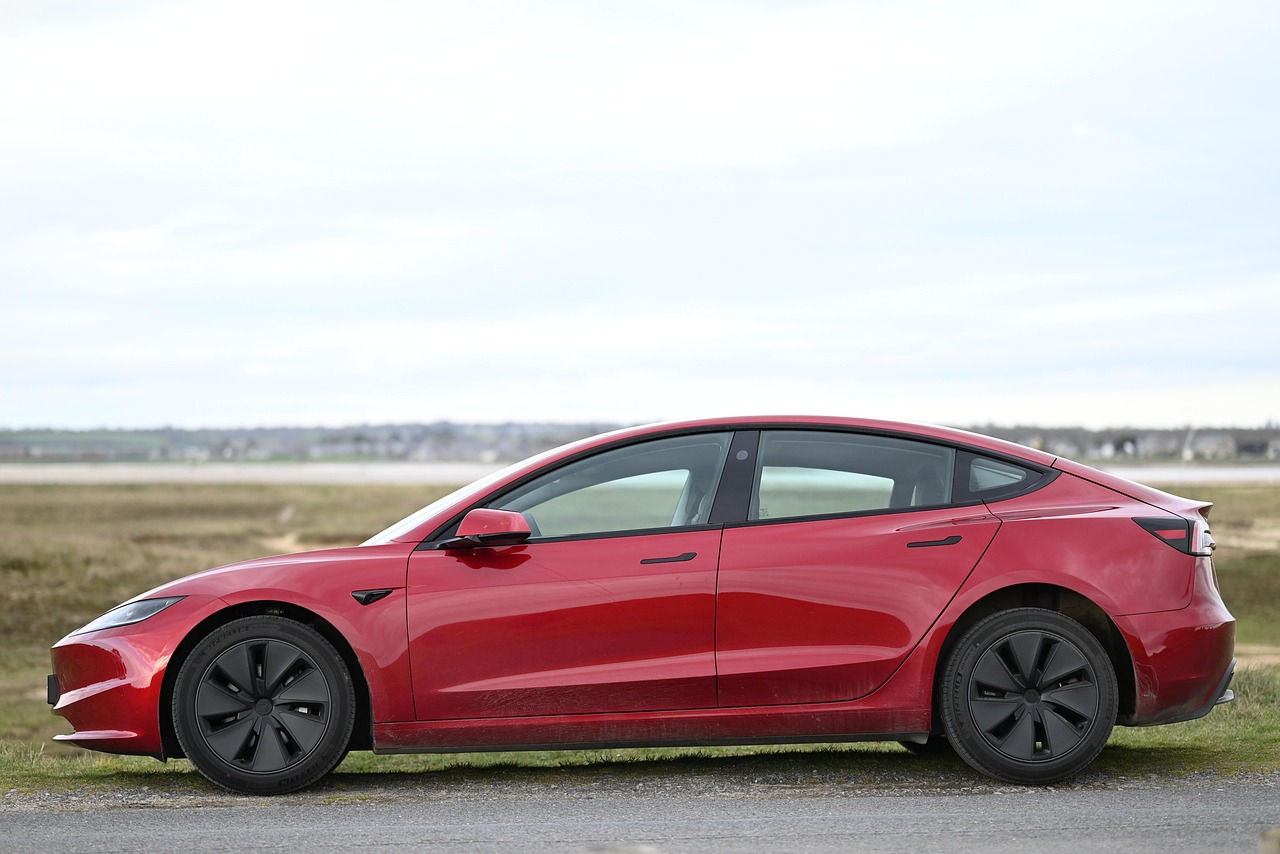
A fresh analysis from the International Council on Clean Transportation (ICCT) takes a comprehensive look at the life-cycle greenhouse gas emissions of passenger cars in the European Union, updating earlier findings with 2025 data. The core conclusion remains consistent with prior research: battery electric vehicles (BEVs) produce significantly lower emissions over their entire lifetime compared to internal combustion engine (ICE) vehicles, including hybrids. This holds true even when factoring in the emissions from battery manufacturing and electricity generation.
The ICCT’s work underscores that the emissions gap between electric and conventional cars is influenced by several key variables. These include the carbon intensity of the electricity grid used for charging, the vehicle’s energy consumption, and the emissions associated with producing the battery and other components. The analysis notes that as European grids continue to decarbonize, the life-cycle benefits of EVs will only grow. In contrast, the emissions from ICE vehicles are locked in from the moment they hit the road, as they depend on burning fossil fuels.
Hybrids, both conventional and plug-in, occupy a middle ground. They offer modest reductions in lifetime emissions compared to pure gasoline or diesel cars, primarily through improved fuel efficiency and some electric-only range in the case of PHEVs. However, their reliance on an internal combustion engine means they cannot match the deep decarbonization potential of full electric vehicles. The ICCT’s update reinforces that while hybrids can play a transitional role, they are not a long-term solution for meeting the EU’s climate goals.
The study also examines the impact of different vehicle segments and the role of policy. It suggests that regulatory frameworks, such as the EU’s CO2 standards for cars, are crucial for driving the transition to zero-emission vehicles. The findings are particularly relevant as policymakers and industry stakeholders debate the future of powertrains and the necessary infrastructure to support a broad EV rollout. The ICCT’s 2025 update serves as a timely reminder that the environmental case for electric vehicles remains robust, and that continued support for charging infrastructure and grid decarbonization will amplify their benefits.
What do you think?