
New Flyer Debuts Next-Gen Electrical Architecture Across Its Bus Lineup
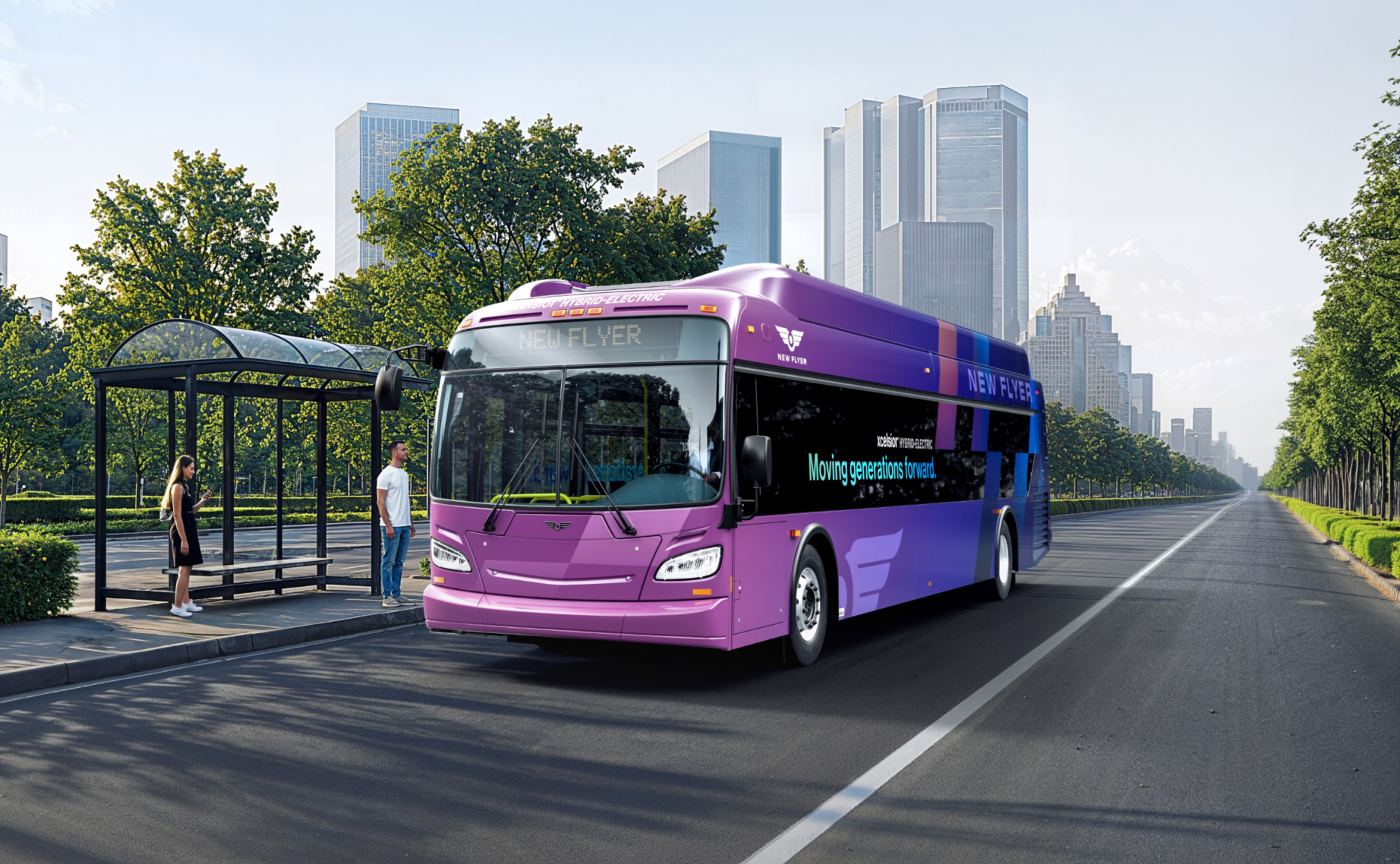
New Flyer is rolling out a fresh controls and electrical backbone for its Xcelsior transit buses, a move that signals software-defined design ideas are now reaching the heavy-duty transit segment, where keeping vehicles in service counts for more than adding flashy features. The new architecture packs greater processing capacity and deeper diagnostic capability than the system it replaces.
A key element of the rollout is consolidation. Vehicle programming, over-the-air software updates and fault-finding are now brought together under one framework, which should give depot technicians a much clearer picture of what is going wrong on a given bus. The system also pushes considerably more data into NFI Connect, the group’s connected-vehicle platform, laying the groundwork for predictive maintenance and for adding vehicle functions through software as the manufacturer leans further into code-driven development.
Deployment will not happen all at once. Zero-emission buses are first in line for the new architecture, with diesel, hybrid and natural gas models following through 2027. At the NFI Group level, the platform will then spread to MCI coaches: pilot builds are slated to begin in early 2028, ahead of a broader ramp-up in 2029. Most bus production is expected to have switched over by 2028. Because the architecture is shared, depots should ultimately need fewer distinct diagnostic tools to service the fleet.
Chris Stoddart, President of North American Bus and Coach at NFI, framed the change as a necessary response to how transit vehicles are evolving, noting that connected, technology-driven buses require equally modern systems underneath. He said the next-generation controls and electrical architecture provides a stronger technology foundation for reliability, maintenance and future capabilities, and that the ultimate aim is helping operators keep more vehicles available for service and deliver dependable transportation to their communities.
The announcement highlights a broader shift across the commercial vehicle world, where the value of a bus is increasingly tied to uptime, data and the ability to update software rather than to hardware alone. New Flyer’s staggered, multi-year rollout reflects how carefully such transitions have to be managed in fleets that cannot simply be taken offline for a redesign.
What do you think?