
Navigating Cross-Border Classic Car Transport: A Collector’s Guide
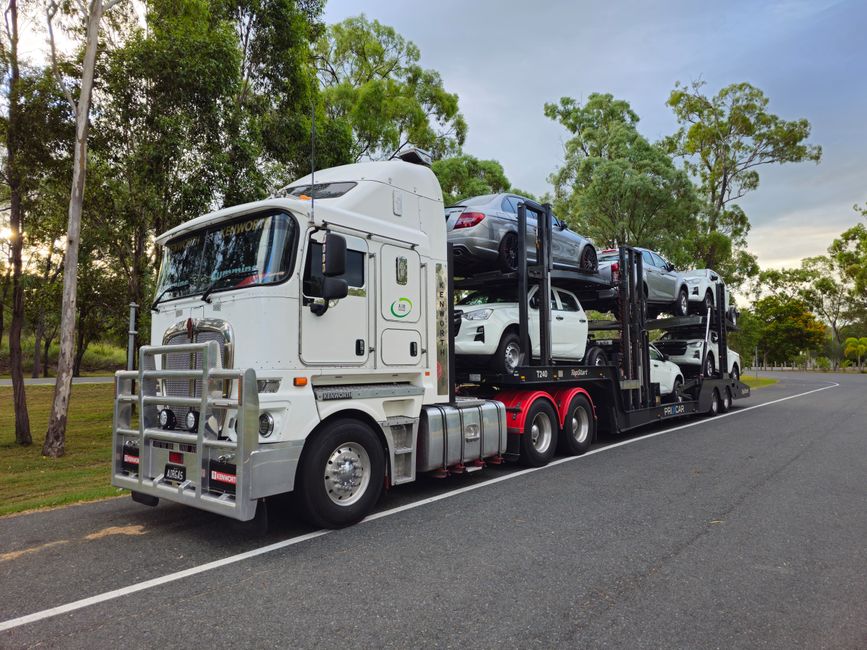
Moving a restored classic between the United States and Canada is more than just a road trip; it’s a logistical challenge that demands precision. Enthusiasts who ship vintage automobiles across the border must navigate a complex web of customs rules, documentation, and carrier selection, all while ensuring the vehicle arrives without a scratch.
The process starts with thorough preparation. Owners need to verify that the vehicle’s title, registration, and bill of sale are in order, and in some cases, obtain an export permit from the origin country. For U.S. vehicles entering Canada, the Registrar of Imported Vehicles (RIV) program applies, which requires a fee and additional paperwork. Canadian classics heading south must meet U.S. Environmental Protection Agency (EPA) and Department of Transportation (DOT) standards, though vehicles over 25 years old usually qualify for exemptions.
Choosing the right transport method is equally critical. Enclosed carriers are the preferred option for high-value collectibles, offering protection from weather and road debris. While open transport is cheaper, it exposes the vehicle to potential damage. Professional shippers often use liftgate-equipped trailers and soft tie-downs to secure the car without harming its frame or paint.
Finally, border crossings demand patience. Drivers or transport companies must present all documents to customs officers and may face inspections. A missing stamp or a minor paperwork error can lead to costly delays. Experts recommend working with a broker or a specialized logistics firm to streamline the process, ensuring that the cherished classic reaches its destination safely and legally.
What do you think?