
Musk Deflects Ukraine's Starlink Speed Cap: 'Washington Owns Starshield'
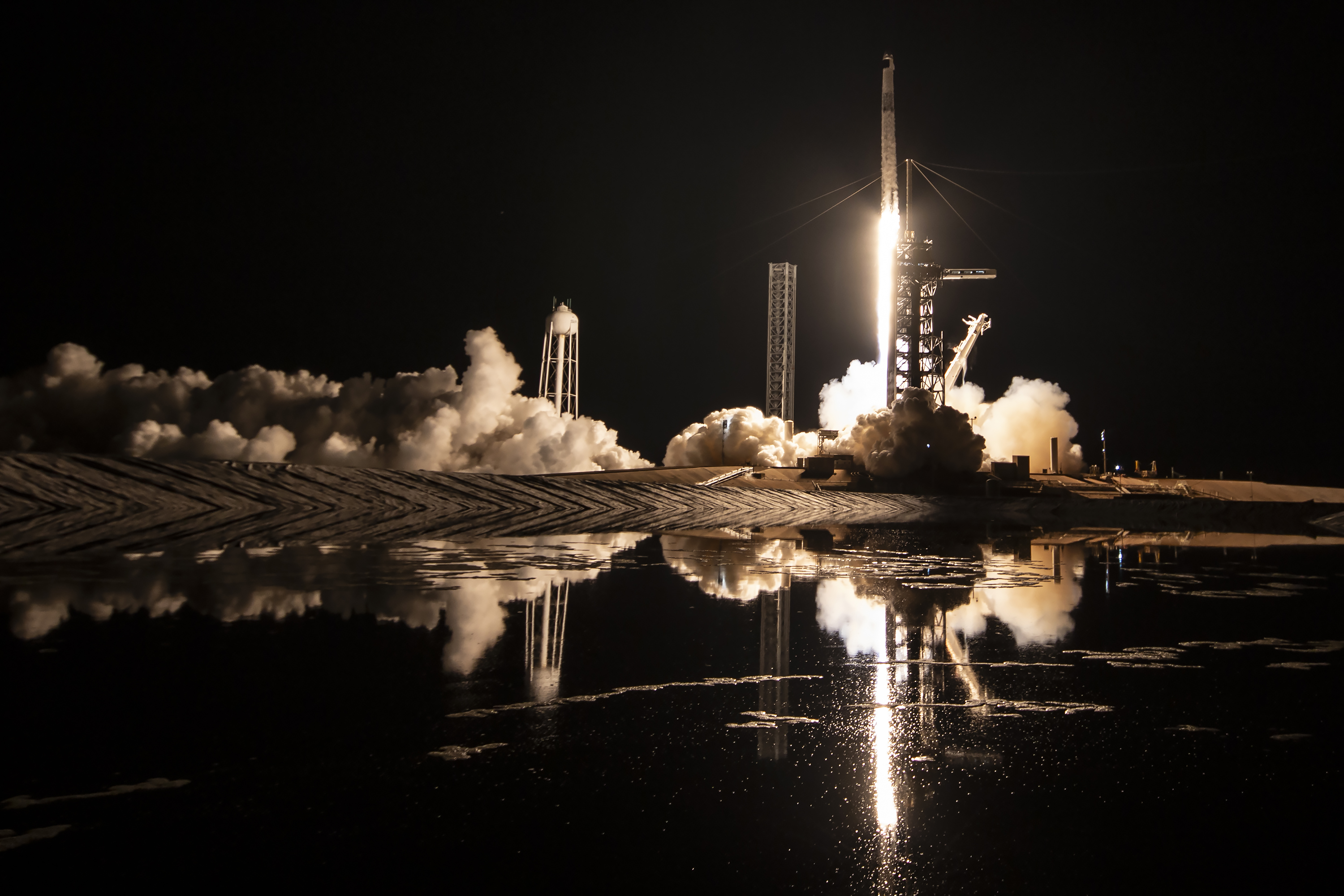
Elon Musk has finally addressed the controversy over Ukraine’s military satellite terminals — and his answer is that the decision was never his to make. In a reply on X, Musk drew a line between Starlink, which he called a commercial offering, and Starshield, the government-grade variant that Ukraine’s forces actually depend on. According to him, Starshield hardware belongs to the US government, so any throttling of speed or usage falls to the Pentagon and, in the end, the President.
He also restated his company’s position on the commercial side: Starlink is meant for civilian and defensive work, not for offensive combat. Using it to strike targets, he argued, would be an odd fit for a private business.
The post was a direct response to Mykhailo Fedorov, Ukraine’s former defense minister, who had thanked Musk for getting connections running again at speeds of up to 160 km/h. Fedorov wants the ceiling scrapped altogether, calling it essential to the country’s defense.
Where the Complaints Started
The trouble surfaced on Tuesday night. Ukrainian officials reported that military terminals were dropping out once units moved above roughly 100 mph. Presidential adviser Serhiy Beskrestnov said there was no warning at all, and that several operations were thrown off course. The 7th Rapid Reaction Corps told Reuters that links cut out for 10 to 20 seconds at speeds well under the cap — enough to make drone control noticeably harder. Poland’s foreign minister, Radoslaw Sikorski, jumped into the thread to ask Musk whether he was “playing politics with your products again.”
This is why the Starlink-Starshield split carries weight. SpaceX rolled out Starshield in 2022 as the government-facing edition, aimed initially at Earth observation, communications and hosted payloads. A Space Force contract followed in 2023 with a $70 million ceiling, and in December 2024 the Pentagon shifted Ukraine’s terminals — around 3,000 of them across two contracts — onto the Starshield service.
Musk’s explanation clarifies who holds the reins, but not who actually pulled this particular lever. Neither SpaceX nor the US government has confirmed that any order was given. Ukrainian officials have pointed at the calendar: the timing trails President Trump’s push for an energy ceasefire and Musk’s Saturday post that “Zelensky has gone too far.” The BBC reported that Trump denied threatening to curtail intelligence sharing with Kyiv, and nothing has surfaced showing Washington requested the speed limit.
The episode also dredges up a pledge from 2025. After Poland accused him of threatening Ukraine’s access, Musk insisted Starlink “will never turn off its terminals” and would not become a bargaining chip. Poland has since handed over more than 29,000 terminals. Kyiv’s hunt for alternatives has been underway for a while — this week’s dispute only makes it more pressing.
Source: Teslarati
What do you think?