
Mercedes-Benz Trucks Expands Electric Lineup, Bets on Megawatt Charging
Mercedes-Benz Trucks used the IAA Transportation show to reveal the new eActros 600 Lowliner, a model aimed at hauliers who move high-volume cargo where a few centimetres of vehicle height decide whether an operation stays profitable. Fitting a battery-electric drivetrain under such tight packaging constraints meant rethinking where the packs live, so the cells were rotated and mounted differently inside the frame. That single change rippled through the rest of the truck, forcing charging and high-voltage hardware to be redesigned around the remaining space without sacrificing durability.
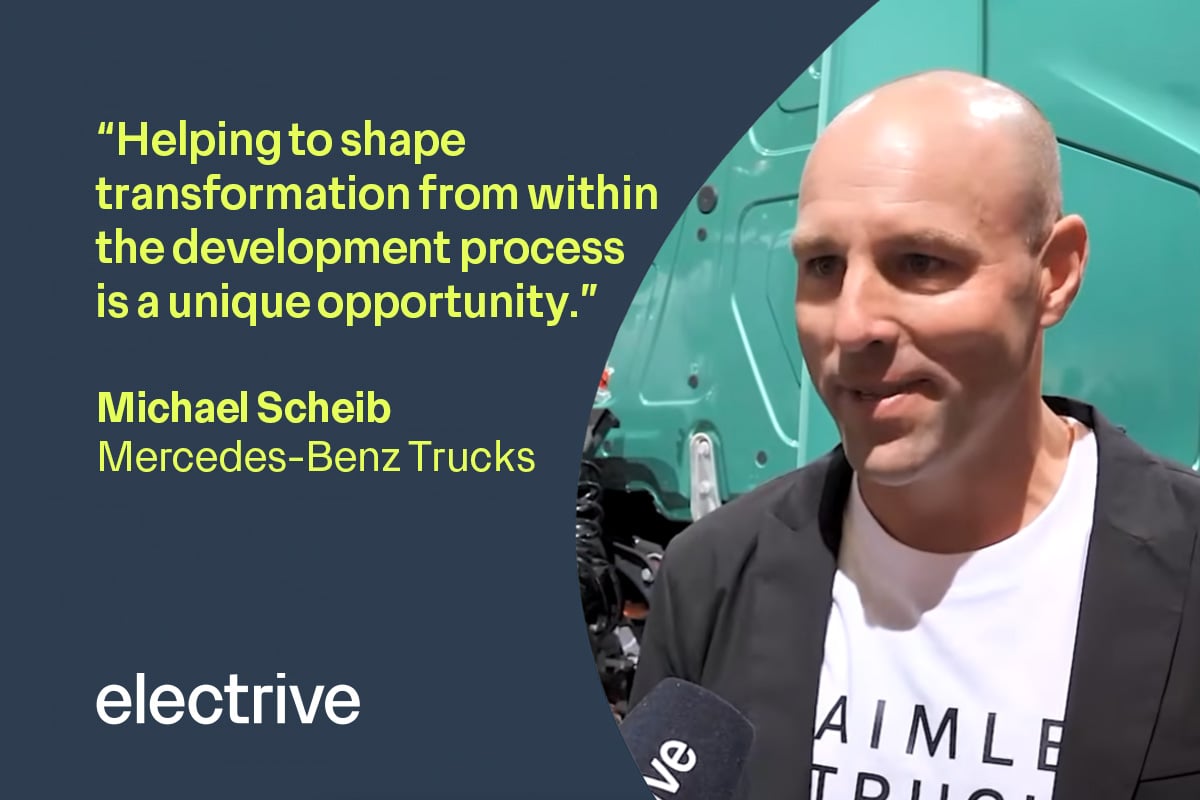
The Lowliner reflects a wider shift in the company’s strategy. Having covered the biggest volume segments first, it is now moving into more specialised duties, from refuse collection to tractor units and the eArocs. According to head of whole vehicle development Michael Scheib, the portfolio has broadened to the point where every electric model matches its diesel counterpart on performance.
Charging remains the key enabler. The eActros 600 is scheduled to gain Megawatt Charging System capability from 2027, and a demonstration at the show already pushed past the one-megawatt mark. Scheib sees this as a major lever for the Lowliner and for automotive logistics, where a tractor can top up at high power while its trailer is being unloaded before collecting the next load. In his view, megawatt charging brings almost every heavy-duty use case within reach of battery-electric trucks.
Even so, Daimler Truck is not abandoning hydrogen. Scheib defends a dual-track approach, arguing that moving the EU’s roughly six million trucks onto sustainable transport will require two technologies for reasons of both infrastructure and application. Fuel-cell trucks suit very long routes with high payloads, and the GenH2 fleet is set to grow from five customer-test vehicles to 100 as attention turns to durability, cost and series production. Liquid hydrogen is the preferred carrier for the volumes involved. Above that, though, Scheib keeps the boundary clear: long-distance, high-payload work gets hydrogen, everything else gets a battery-electric truck. With electric heavy commercial vehicles still in the single digits across the industry, he argues that infrastructure constraints mean both paths are needed if the electric share is to climb significantly by 2030.
What do you think?