
Megawatt Charging for Commercial EVs: What It Takes to Move the Industry Forward
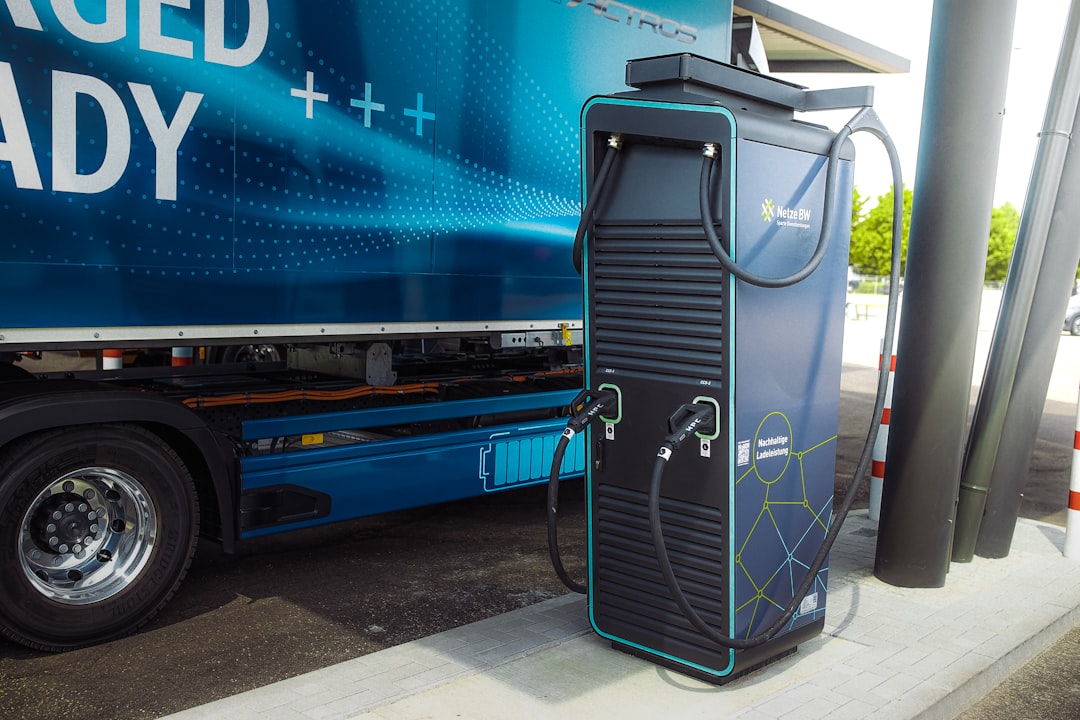
As the push for greener logistics intensifies, electrifying commercial vehicles has moved from a distant goal to a pressing necessity. But with heavy-duty fleets covering long distances on tight schedules, conventional charging methods simply don’t cut it. That’s where megawatt charging steps in, promising to slash downtime and make electric trucks a viable option for real-world operations.
Megawatt-level systems, capable of delivering over one megawatt of power, can replenish a large vehicle’s battery in the time it takes a driver to take a mandatory rest break. This capability is key to unlocking the full potential of electric fleets, but it also introduces serious engineering challenges. From managing extreme heat to upgrading grid connections, the technical hurdles are significant—as are the costs of integrating such high-power components into trucks and buses.
Eaton’s latest white paper dives deep into these issues, breaking down the expenses involved in enabling megawatt charging onboard commercial vehicles. It also compares cost-efficiency, performance benefits, and the broader infrastructure requirements. For fleet operators weighing the switch to electric, understanding these factors is crucial to making informed decisions that keep both budgets and timelines on track.
What do you think?