
Megawatt Charging Connectors Put to the Test at NREL
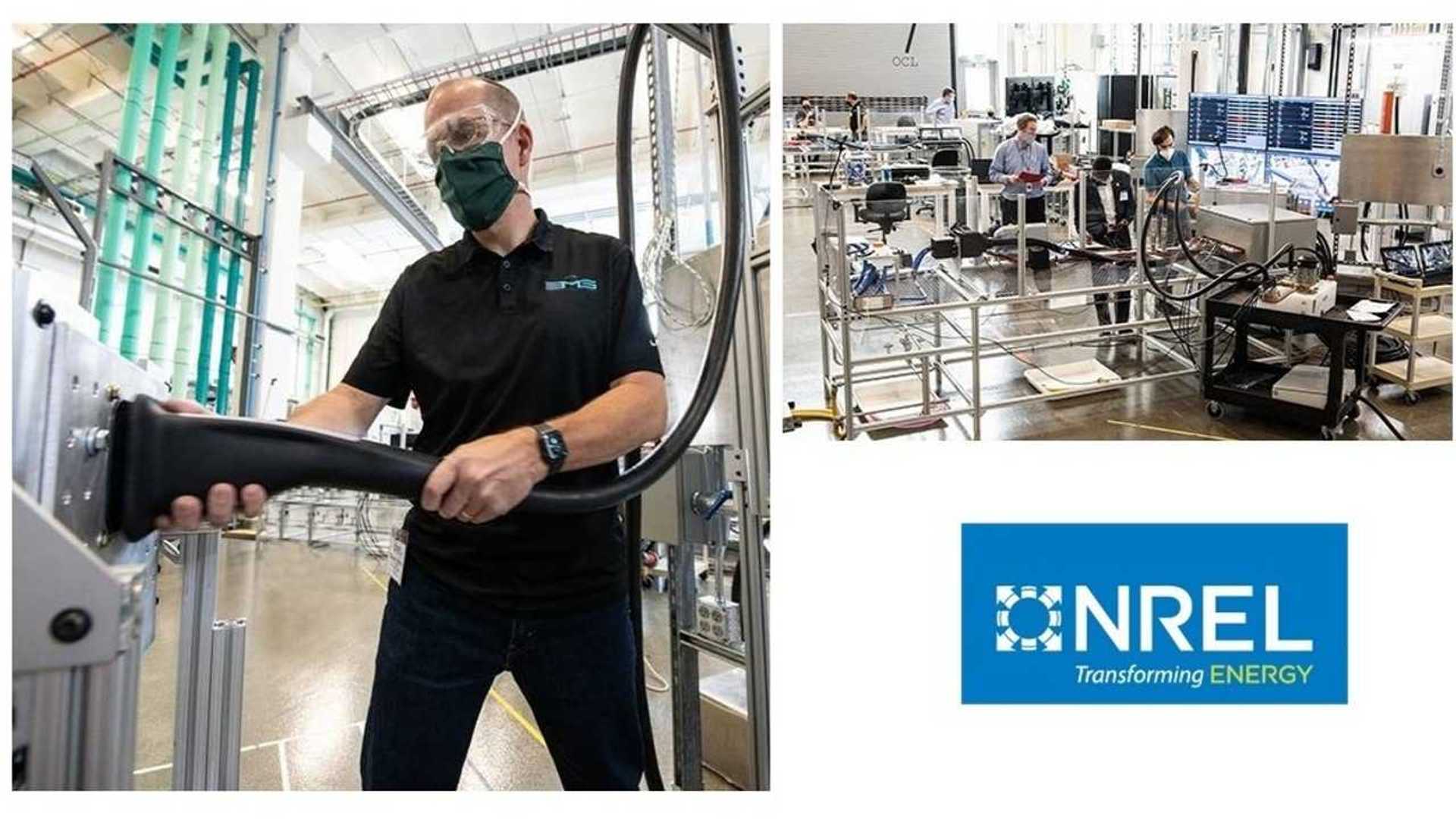
The race to electrify heavy-duty transport has a new milestone to point to, as several Megawatt Charging System (MCS) connectors recently went through testing at the National Renewable Energy Laboratory (NREL). The trials focused on the physical connection hardware that will eventually link massive battery packs in trucks, buses and other large vehicles to chargers delivering power on a completely different scale than today’s passenger-car plugs.
MCS is designed to push far more energy through a single cable than the Combined Charging System (CCS) or even the newer North American Charging Standard (NACS) connectors used by light-duty EVs. Where a typical DC fast charger for a car might operate in the 150–350 kW range, megawatt-class charging aims to multiply that figure many times over so that a commercial truck can recover hundreds of miles of range during a mandatory driver break rather than sitting idle for hours.
The NREL testing matters because a connector is more than a plug. It has to handle extreme current, manage heat, survive repeated mating cycles and stay safe in the hands of a driver who may be wearing gloves in bad weather. Standardizing that interface is a prerequisite for the kind of nationwide charging corridor that freight operators need before they commit to battery-electric fleets.
For now, the work at NREL is a step in the validation process rather than a commercial rollout. But every successful test narrows the gap between the megawatt charging concept and the day when electric semis can pull into a truck stop and plug in alongside diesel rigs.
Passenger EV drivers won’t see these connectors at their local charging stations, yet the outcome still matters to them. Heavy trucks are among the largest sources of transport emissions, and the charging standards developed for them often influence the broader infrastructure ecosystem that all electric vehicles depend on.
What do you think?