
Long-Term EV Ownership: A Practical Budgeting Guide
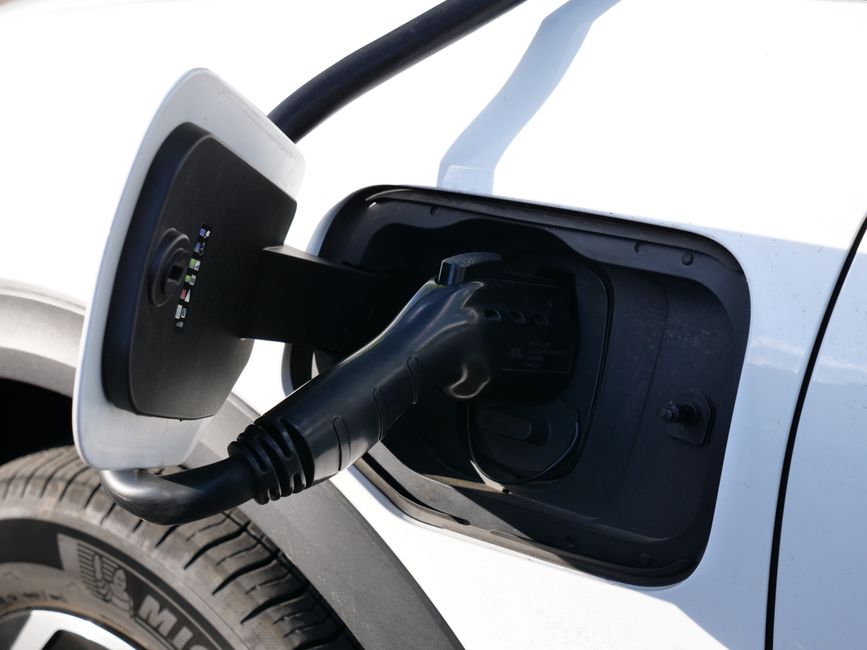
Switching to an electric vehicle involves more than just the sticker price. To truly understand the financial picture, you need to plan for ongoing expenses that differ from those of a gasoline car. From home charging installation to routine maintenance, the cost structure shifts in ways that can be both surprising and favorable.
While EVs typically have lower fuel and maintenance costs, some expenses can catch owners off guard. For example, electricity rates vary by region and time of day, and home charging equipment may require an upfront investment. Additionally, battery health and potential replacement costs, though not immediate, should factor into your long-term budget.
A thoughtful approach involves estimating your annual mileage, comparing local fuel and electricity prices, and researching available incentives. By breaking down these variables, you can create a realistic monthly or yearly budget that aligns with your driving habits. This way, you’ll enjoy the benefits of electric driving without financial surprises down the road.
What do you think?