
Li-S Energy's Lithium-Sulfur Pack Keeps Drone Aloft for Nearly Two Hours
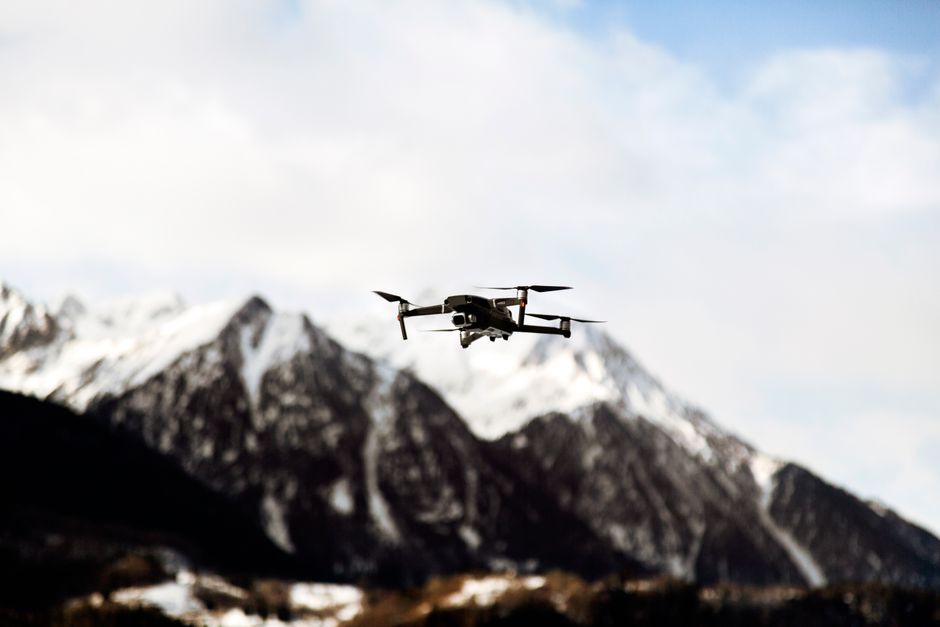
Australian cell developer Li-S Energy has demonstrated its lithium-sulfur battery technology in the air, powering a twin-motor drone called Pegasus through a test flight that lasted almost two hours over Queensland. The aircraft covered more than 75 kilometers on a single battery pack, according to the company.
What makes the result notable is not just the duration but the margin it left behind. Li-S Energy says the drone matched its expected flight performance and still touched down with usable capacity remaining, suggesting the pack was not stretched to its limit. For a chemistry that has long promised higher energy density than conventional lithium-ion at a lower materials cost, a real-world flight with reserve capacity is a meaningful data point.
The chemistry at the heart of the test is lithium-sulfur, an alternative to the nickel- and cobalt-based cathodes that dominate today’s EV and consumer batteries. Sulfur is abundant and inexpensive, and the theoretical energy density of a lithium-sulfur cell is substantially higher than that of lithium-ion. Those advantages have historically been undercut by cycle-life and stability challenges, which is why lithium-sulfur has struggled to move from laboratory work into commercial products.
Drone applications are a natural proving ground for the technology. Aircraft are acutely sensitive to weight, so any gain in specific energy translates directly into flight time or payload capacity. Long-endurance missions such as survey, inspection, and monitoring work put a premium on exactly the kind of range demonstrated here, and a flight of roughly two hours with energy to spare points to a practical operating envelope rather than a one-off stunt.
Li-S Energy has not disclosed a timeline for scaling the cells beyond this demonstration, and the test covers a single flight rather than a full cycle-life study. Both questions matter for anyone watching the chemistry’s commercial prospects. Still, the company is framing the outcome as confirmation that its pack met expectations in a demanding airborne environment, a step that keeps lithium-sulfur in the conversation as a future option for weight-sensitive electric platforms.
What do you think?