
Li-S Energy's Lithium-Sulfur Battery Achieves Nearly Two-Hour Drone Flight
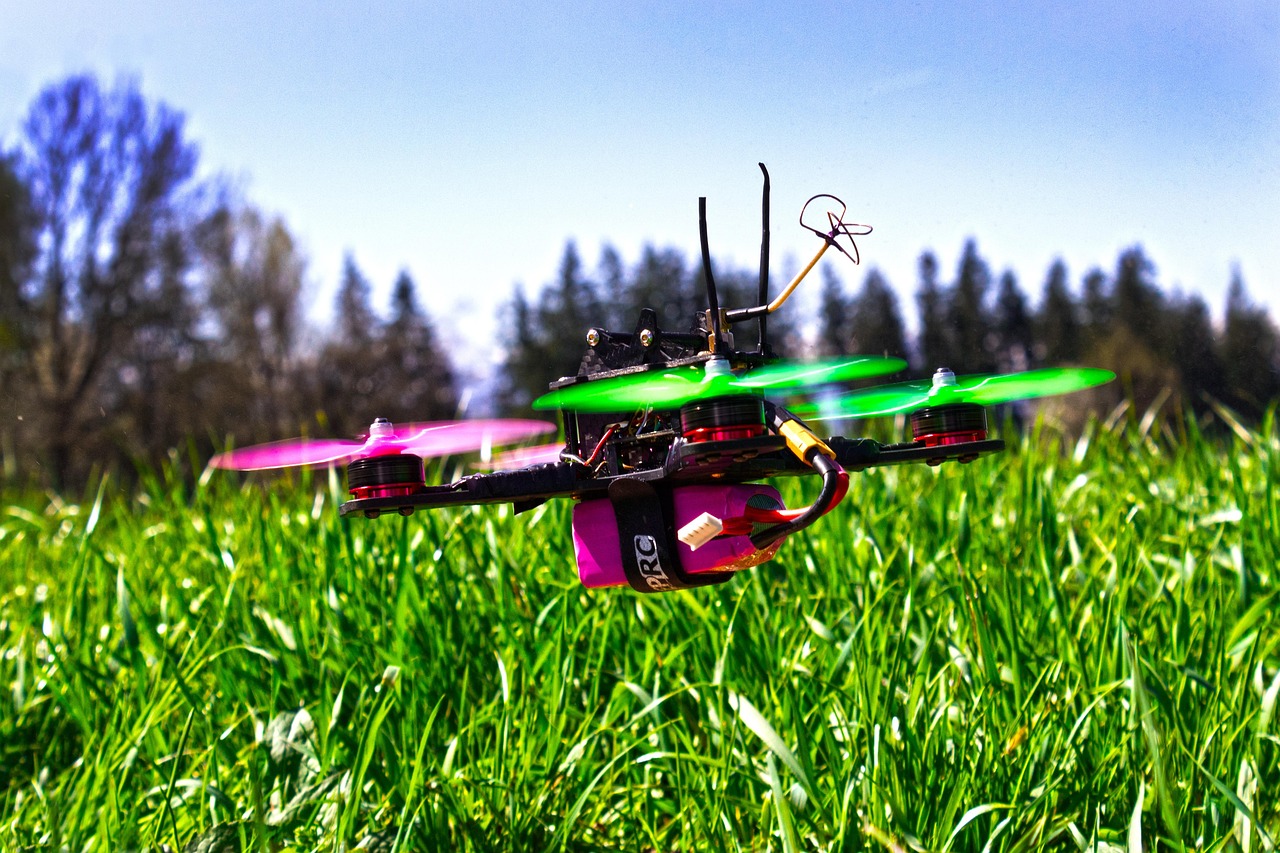
Li-S Energy has announced a significant milestone for its lithium-sulfur battery technology: a drone powered by its cells completed a flight lasting just under two hours. The test was conducted using the Pegasus drone, marking a notable endurance achievement for a battery chemistry that has long promised higher energy density than conventional lithium-ion.
The flight duration, while not exceeding two hours, represents a substantial improvement over typical battery-powered drone flights, which often struggle to surpass 30-45 minutes. Lithium-sulfur batteries are theoretically capable of storing more energy per unit weight than lithium-ion, making them attractive for applications where weight is critical, such as aviation and portable electronics.
However, lithium-sulfur chemistry has faced persistent challenges, including limited cycle life and poor conductivity. Li-S Energy’s achievement suggests progress in addressing these issues, though full commercial viability remains to be seen. The company has not disclosed specific technical details such as battery capacity, weight, or the number of cycles the battery has undergone.
The successful test could accelerate interest in lithium-sulfur for drone applications, where extended flight times are highly valued for tasks like aerial surveillance, delivery, and mapping. As the technology matures, it may also find roles in electric vehicles, though significant hurdles in durability and charging infrastructure would need to be overcome.
While the near two-hour flight is a promising step, it is important to note that laboratory successes do not always translate quickly to mainstream adoption. Further testing and real-world validation will be necessary to determine if this battery can move beyond niche uses.
What do you think?