
Largest Real-World Study Reveals Plug-In Hybrids Burn Over 300% More Fuel Than Official Figures
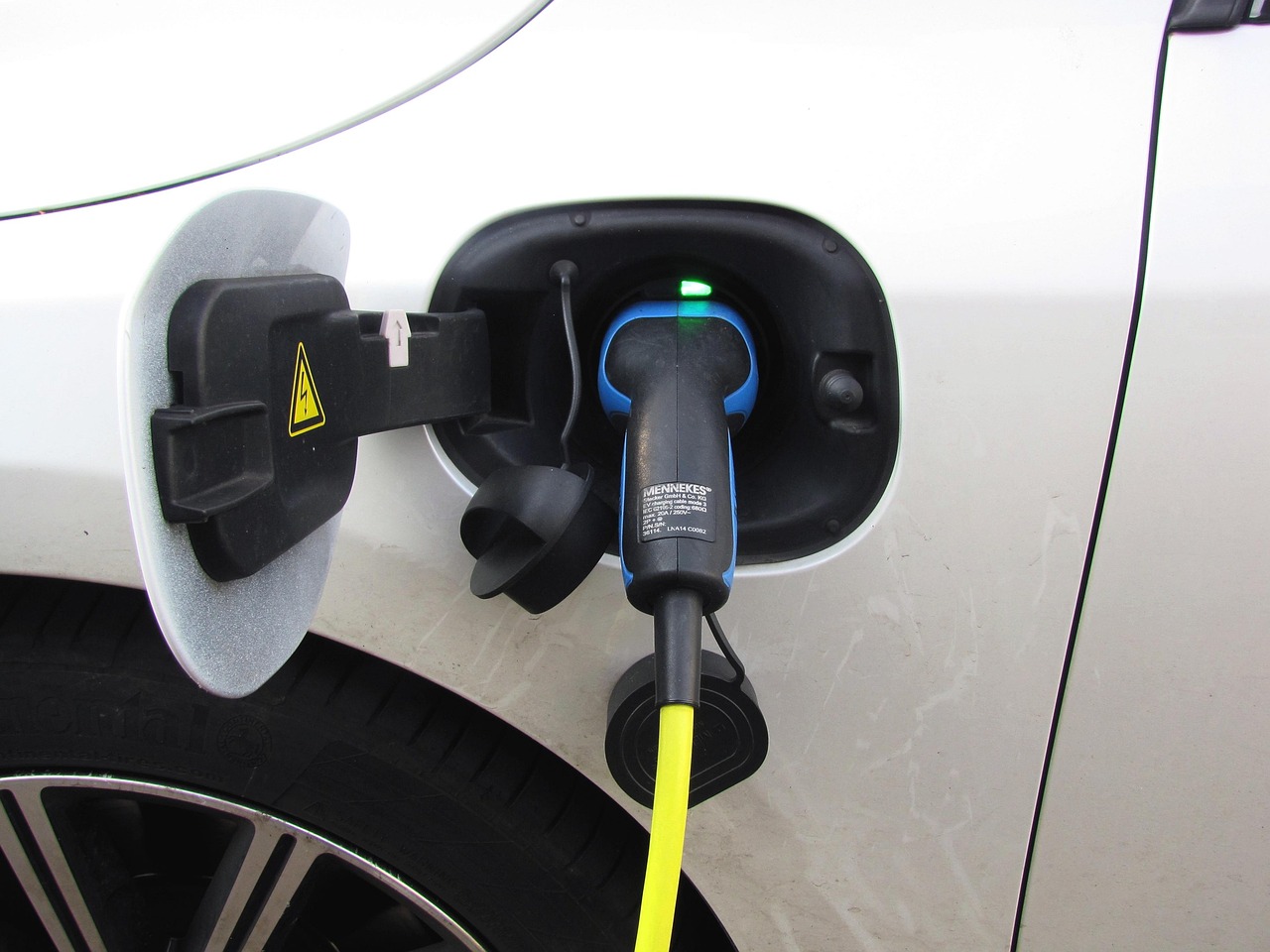
A comprehensive new study has found that plug-in hybrid vehicles consume significantly more fuel in real-world driving than what manufacturers claim. According to the research, actual fuel use can be more than three times higher than the official estimates, highlighting a major gap between laboratory results and everyday driving.
The study, described as the largest of its kind, points to several factors behind this discrepancy. Unlike conventional hybrids, plug-in hybrids rely on both a gasoline engine and an electric motor, and their fuel economy depends heavily on how often owners charge the battery. If drivers rarely plug in, the vehicle operates mostly on gasoline, leading to much higher consumption than advertised.
This isn’t the first time plug-in hybrids have faced scrutiny over their real-world emissions and fuel economy. Previous investigations have also shown that these vehicles often fail to deliver the promised environmental benefits when not charged regularly. The latest findings add pressure on regulators and automakers to ensure that official tests better reflect actual usage.
For consumers, the message is clear: plug-in hybrids can be efficient and low-emission, but only if they are charged consistently. Without regular charging, they may end up using more fuel than a conventional car, undermining their primary advantage.
What do you think?