
Korea and China Race to Lock Down Solid-State Battery Patents
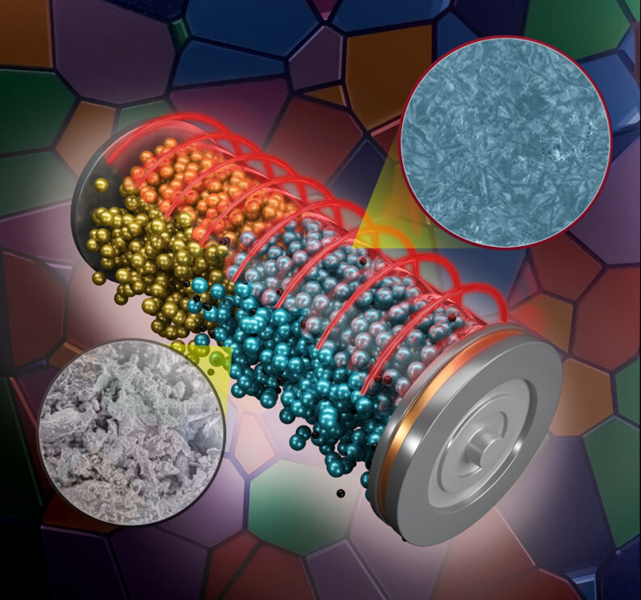
Solid-state batteries have become the newest battleground in the technology rivalry between South Korea and China, and the fight is playing out less in factories than in patent offices. According to Businesskorea, the two countries are now locked in an intense contest over intellectual property covering the next generation of battery cells, a sign of how much is at stake before the technology even reaches mass production.
At its core, a solid-state battery replaces the liquid or gel electrolyte found in today’s lithium-ion packs with a solid material. That single change is meant to solve several long-standing problems at once: the risk of fire from flammable liquid electrolytes, the relatively slow charging speeds of conventional cells, and the energy density ceiling that limits how far an EV can travel on a single charge.
Because the shift touches every layer of cell design, companies are rushing to patent the materials, manufacturing methods and cell architectures that make the solid version workable. Those filings are not just defensive paperwork — they determine who can build the technology, who must license it, and who gets shut out when solid-state cells eventually reach commercial vehicles.
The patent push reflects a broader strategic calculation. Whichever country builds the strongest portfolio now could shape pricing and supply terms for years, much as earlier lithium-ion patents did. Businesskorea’s report does not include specific claims or statements from individual companies, but the sheer volume of activity signals that both sides view solid-state as too important to leave to chance.
What do you think?