
Keeping a Modern Pickup's Cabin Alive: What Actually Works
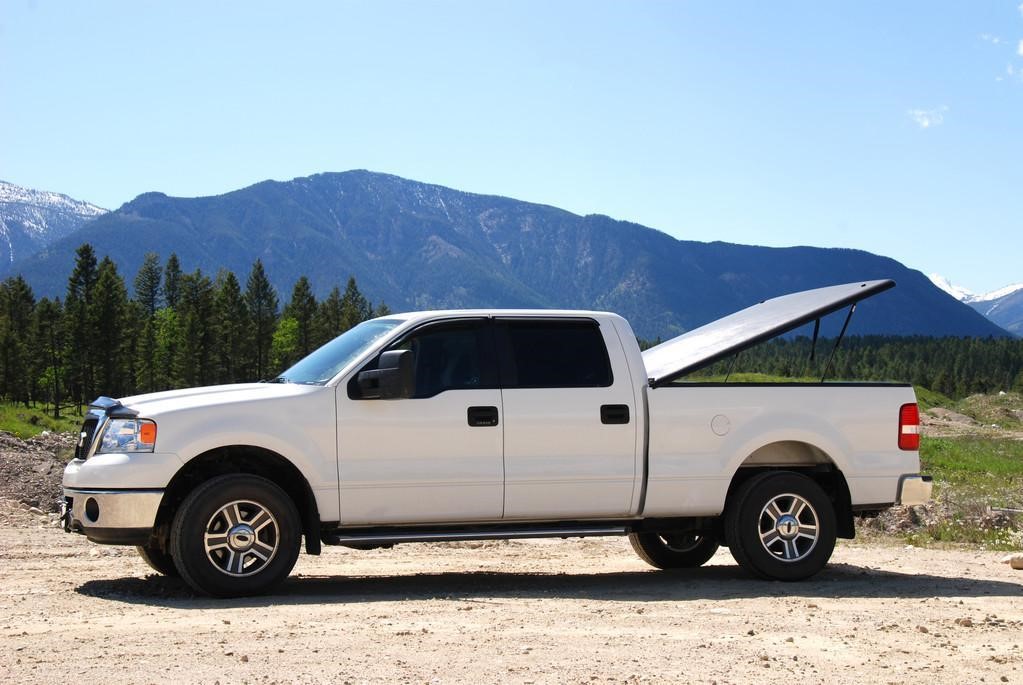
Today’s pickups are no longer just workhorses. Machines like the Rivian R1T and the Ford F-150 Lightning carry hybrid and electric drivetrains, big screens and cabin materials that rival a premium SUV — and that means the old “if it ain’t broke, don’t fix it” attitude no longer cuts it. Protecting the interior has become part of owning the truck.
Because the mundane threats never stop: coffee spills, tool dust, muddy boots and relentless UV. Load up for a haul, a weekend off-road or a long trip, and the seats take the punishment first. Keeping the cab intact is the simplest way to hold on to resale value.
Start With the Seats
The driver’s side bolster wears fastest — constant sliding in and out in work gear, plus sun exposure, does the damage. Generic slip-on covers are a poor answer; they shift, bunch up and make a nicely trimmed cabin look cheap.
A better route is restoring the factory upholstery itself. Fitted replacements that match the original pattern — Auto Champ of Texas, for instance, sells Ford F-150 seat covers built this way — install over the existing foam, follow the frame’s contours and, crucially, leave the side-impact airbag free to deploy. Replacing only the worn panels keeps the rest of the interior original and keeps the bill down.
Floors: Where Salt and Coffee Go to Die
Factory carpet behaves like a sponge. Winter road salt, a tipped coffee, general damp — it all soaks in, and soon you have a musty, mold-prone mess and, eventually, corrosion underneath.
Custom-fit floor liners in thermoplastic elastomer (TPE) are the practical swap for generic cloth mats. Deep ridges hold water, sand and mud in place, and a garden hose handles the cleanup.
Heat, UV and the Dashboard
Sun is the quiet killer. Prolonged heat and UV fade and crack dashboard plastics, and on modern trucks with huge infotainment displays, the buildup of heat puts sensitive electronics under strain.
Ceramic window tint or even a plain folding reflective sunshade while parked can drop cabin temperatures by 15–20 degrees. That slows dashboard fading and takes load off the climate system. On electric and hybrid pickups there’s a bonus: a cooler cab means less battery energy diverted to the air conditioning.
The Small Habits That Add Up
Even tough surfaces need attention. Fine dust and sand act like sandpaper, slowly dulling plastic panels and door cards.
- Microfiber cloths for regular wipe-downs, not paper towels
- Anti-static cleaners that leave a thin protective film behind
- Quick, frequent passes rather than rare deep cleans
None of this is glamorous. But a pickup that stays clean, comfortable and structurally sound is a pickup that holds its value — and that matters whether you’re keeping it for a decade or selling in three years.
Photo: Clean Fleet Report · Official Press Kit / Editorial (Editorial / Press Kit)
Source: Clean Fleet Report
What do you think?