
Japan's EV Market Wakes Up: Record BEV Share as Toyota bZ4X and Nissan Leaf Lead the Charge
For years, Japan looked like the country that would define the electric car era. Mitsubishi got a mass-produced battery-electric vehicle onto roads in 2010 with the i-MiEV, and Nissan followed a year later with the Leaf, the first EV designed from the ground up as an electric model. Yet the momentum never carried. Tesla, which had already put a converted Lotus Elise-based Roadster on the road in 2008, went on to set the pace globally, while Japan’s established brands leaned heavily on hybrids and plug-in hybrids that still rested on combustion-engine foundations.
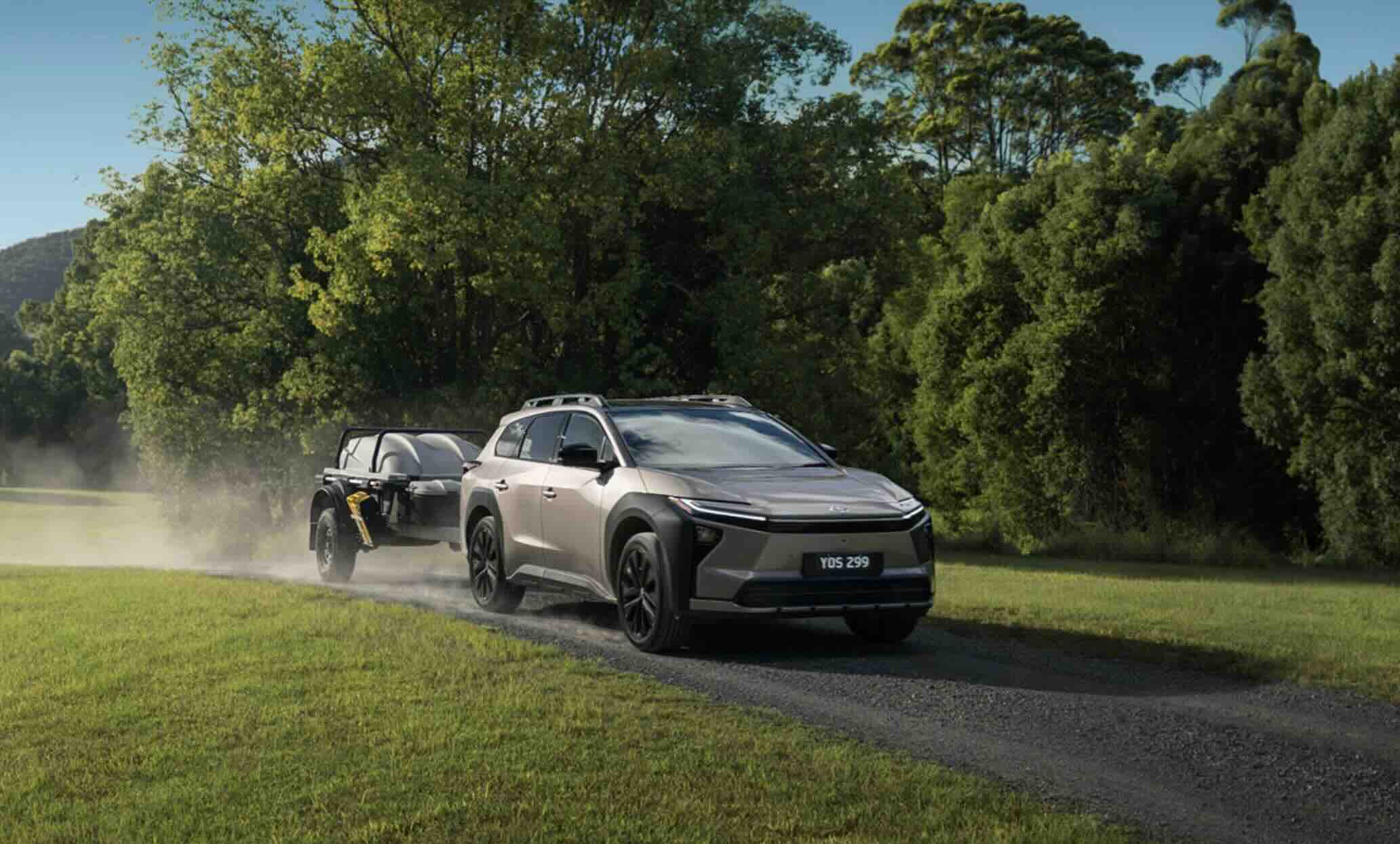
That long hibernation may finally be ending. According to the Japan Automobile Sales Association, battery-electric passenger car sales reached a record 4.6% market share in the April-to-September half of the fiscal year — more than triple the figure from the same period a year earlier. Across all vehicle categories, BEVs accounted for 3.7%. The Toyota bZ4X was the standout, with volume running at 88 times its year-earlier level, while the Nissan Leaf remained among the top sellers.
Two forces appear to be behind the shift. Japanese manufacturers have broadened their line-ups, including the arrival of the Honda Super-One, a model built around Japan’s compact kei-car regulations. At the same time, changes to the government’s Clean Energy Vehicle subsidy programme have made electric purchases more attractive. The caveat for domestic brands is that the second-largest beneficiary of that subsidy so far has been Tesla — trailing only Toyota and sitting ahead of Nissan and Honda.
Context matters here. Kei-class vehicles make up roughly 40% of registered cars in Japan, which complicates any forecast about how quickly the market can scale. At 4.6%, Japan still trails most of the world, and even the United States — where policy enthusiasm for EVs has been lukewarm — sits near 10%. The path from early adopters to the mainstream buyer is likely to be uneven, but once that threshold is crossed, adoption tends to build its own momentum. The open question is whether Japan’s manufacturers can adapt quickly enough to hold their ground.
Historically, the warning signs were visible. Analysts and commentators spent years noting that China was deliberately using its home market to build out EV technology and manufacturing capacity, with the goal of exporting affordable, reliable and well-built electric cars. The prediction was that legacy automakers who ignored the trend would eventually be overwhelmed. That scenario is now unfolding, and Japanese firms — long focused on hybrid powertrains — are among those playing catch-up.
Source: The Driven
What do you think?