
Hyundai Bets on Locally Built SUVs and Electric Vans to Grow European Share
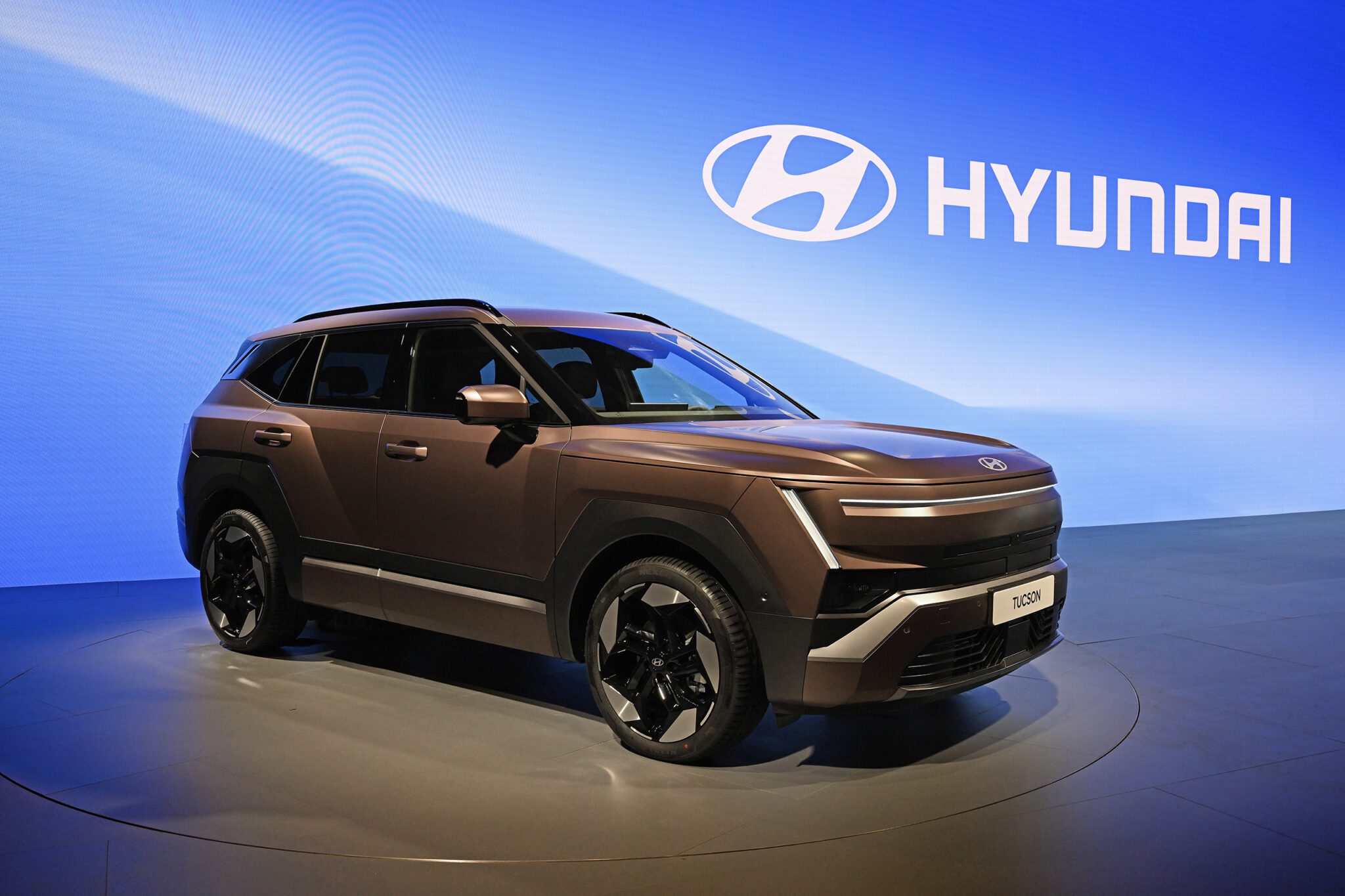
Hyundai used the Paris Motor Show stage to pull the wraps off its new Bayon compact SUV and to present the European-spec Tucson, refreshing two nameplates that roll off its plants in Turkey and the Czech Republic as the company commits to deeper localization across the continent.
The Bayon is set to begin production at Hyundai’s Izmit facility in Turkey later this year, with a hybrid variant planned for 2027 that will draw on a new battery assembly operation at the same site. The Tucson, meanwhile, is being prepared at the Nošovice plant in the Czech Republic. Hyundai also confirmed it has entered the electric van segment with the Staria Cargo, widening its commercial offering as European cities tighten fleet emissions rules.
Beyond passenger cars, the company signaled it wants to extend its autonomous ride-hailing partnership with Waymo outside the United States. The first Ioniq 5 units equipped for the Waymo Driver are already being handed over in the US this year, and Hyundai is now evaluating how far that collaboration could travel geographically. The automaker puts its regional production capacity at roughly 580,000 vehicles annually and says more than half of its European output is ultimately intended to be battery-electric, though it stopped short of attaching a firm deadline to that target.
Hyundai frames its European push as a contrast to rivals it believes may be pulling back from the region. “Hyundai has been selling cars in Europe for nearly 50 years,” said José Muñoz, President and Global Chief Executive of Hyundai Motor Company. “In that time, customers have come to trust our vehicles and our reliable service network.” Muñoz added that almost 80 percent of what Hyundai sells in Europe is now built in Europe, and that the company expects to have invested close to €3 billion in the region by 2030 as localization continues. Both the all-new Bayon and Tucson, he noted, were designed and engineered specifically for European buyers.
The message is clear: rather than treat Europe as an export destination, Hyundai is positioning it as a manufacturing and engineering base, pairing hybrid and electric powertrains with vehicles tuned to local tastes. That strategy will be tested as the Bayon enters showrooms and as the European-spec Tucson reaches customers in the coming months.
What do you think?