
Hybrid-Electric Aircraft Expands Seating Capacity Again, Maiden Flight Slated for 2028
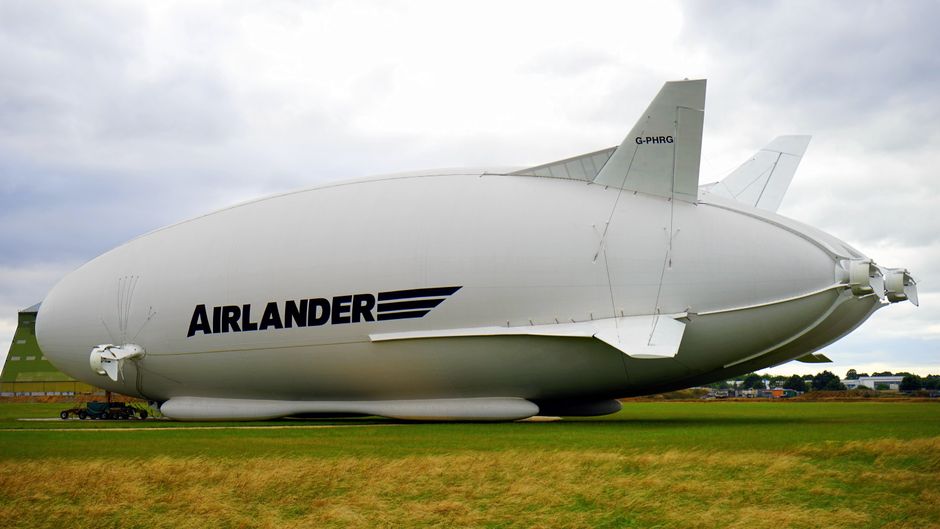
A hybrid-electric aircraft under development has once again increased its passenger capacity, signaling growing confidence in the design and its potential to reshape regional aviation. The latest adjustment, reported by autoevolution, marks another boost for the program, which now targets its first flight in 2028. While specific numbers remain undisclosed, the repeated capacity increases suggest that engineers are finding ways to optimize the aircraft’s layout and performance without compromising its hybrid-electric propulsion system.
The aircraft, which combines traditional turbine engines with electric motors, aims to reduce fuel consumption and emissions significantly compared to conventional regional jets. By boosting passenger capacity, the manufacturer is likely responding to market demand for more efficient short-haul travel. This move could make the aircraft more attractive to airlines looking to replace older, less efficient planes on regional routes. The hybrid-electric design allows for quieter operations and lower operating costs, key selling points in a competitive industry.
Industry analysts view this development as part of a broader trend toward electrification in aviation. Several companies are racing to bring hybrid-electric and all-electric aircraft to market, driven by environmental regulations and rising fuel costs. The target of a 2028 first flight places this project among the more near-term initiatives, though challenges remain, including battery technology, certification, and infrastructure. Nonetheless, the capacity boost indicates that the program is progressing steadily.
For travelers, this could mean more sustainable options for short flights in the next decade. Airlines are increasingly under pressure to cut carbon emissions, and hybrid-electric aircraft like this one could bridge the gap until fully electric solutions mature. As the first flight approaches, further updates on performance, range, and customer interest are expected. The repeated capacity increases show that the developer is committed to delivering a competitive product that meets both environmental and economic goals.
What do you think?