
How Digital Twins and Sensor Fusion Are Making Intersections Safer and Smoother
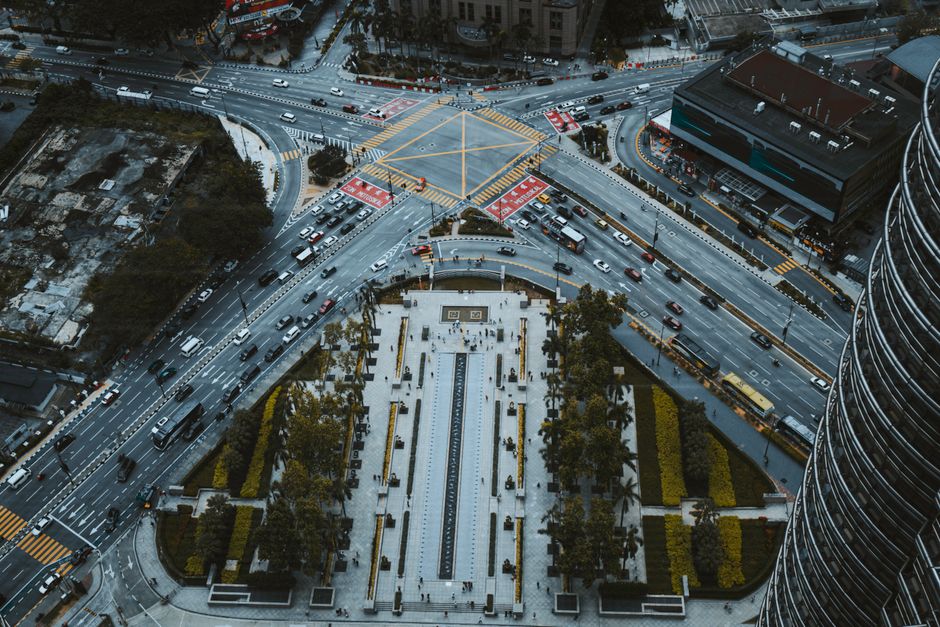
Waiting at a red light with no traffic in sight, or nearly getting hit by a driver who blows through the signal—these are frustrations and dangers many of us face daily. Researchers at the Rockies National Laboratory are tackling these problems head-on with a cutting-edge approach that combines real-time data from multiple sensors into a single, unified digital-twin framework.
Their system offers a live, digital replica of street conditions, giving traffic managers a window into what is happening at intersections at any given moment. By fusing inputs from cameras, radar, and other sensing technologies, the model can detect patterns and anomalies much faster than humans or traditional single-source systems.
The payoff is twofold: drivers spend less time idling at empty intersections, which reduces fuel waste and emissions, and safety improves as the system can flag potential red-light violations before they turn into accidents. According to the lab, this data-driven approach holds the key to unlocking both time and cost savings for cities, all while making our roads more predictable and secure.
What do you think?