
Honda to Test Dynamic Wireless Charging for EVs on Public Roads Next Year
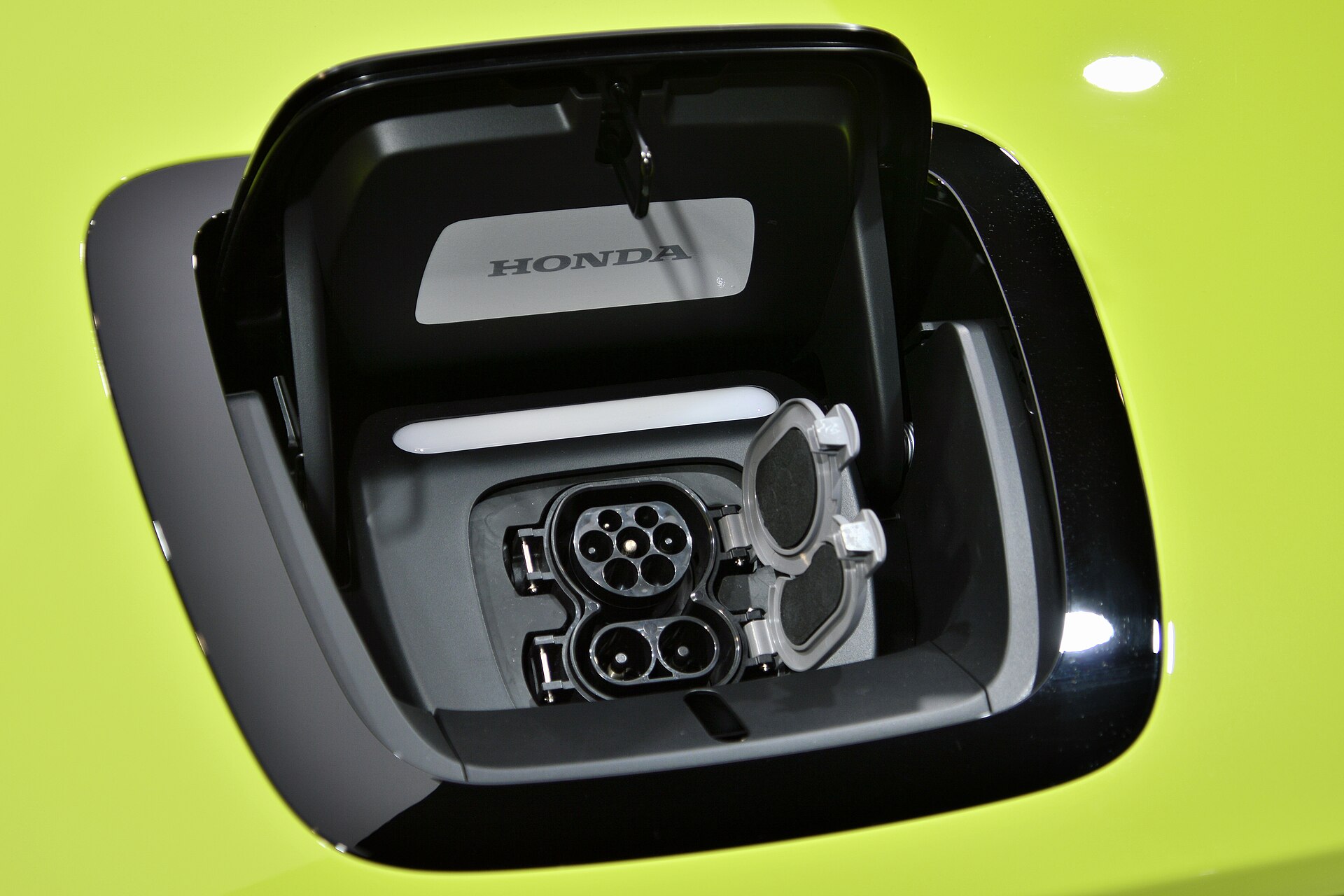
Honda is pushing ahead with a technology that could one day eliminate the need to plug in an electric vehicle at all. Working alongside its partners Taisei and Taisei Rotec, the Japanese automaker has confirmed plans to develop an inductive charging system capable of replenishing a battery while the vehicle is in motion, with the first demonstrations scheduled to begin next year.
The project will not be confined to a laboratory or a private test track. According to the companies, the initial trials will include runs on public roads, marking a significant step toward real-world validation of dynamic wireless charging. The technological foundation for the system is already in place, suggesting that the remaining work is focused on integration, reliability, and the practical challenges of deploying the necessary infrastructure.
Dynamic charging works by embedding transmitter coils in the road surface that transfer energy wirelessly to a receiver mounted underneath an electric vehicle. If it can be made to work at scale, the approach could allow drivers to gain range during their journey, reducing dependency on large battery packs and easing pressure on stationary charging networks. It could be particularly valuable for high-mileage applications such as commercial fleets, buses, and taxis.
Honda’s collaboration with Taisei, a major construction firm, and Taisei Rotec signals that the project is as much about road infrastructure as it is about vehicle technology. Building inductive coils into public roads requires close coordination between automakers and civil engineering partners, and the upcoming demonstrations are expected to test how well the two sides can work together in real conditions.
The announcement puts Honda among a small group of automakers and research organisations exploring inductive charging as a long-term complement to conventional plug-in charging. While the technology remains years away from widespread deployment, successful public-road trials would provide valuable data on efficiency, durability, and safety. For now, Honda is keeping expectations measured, treating next year’s demonstrations as an early but important milestone rather than a commercial launch.
What do you think?