
Honda's Two Software Bets Aim to Speed In, But Could Make Its Cars Hard to Tell Apart
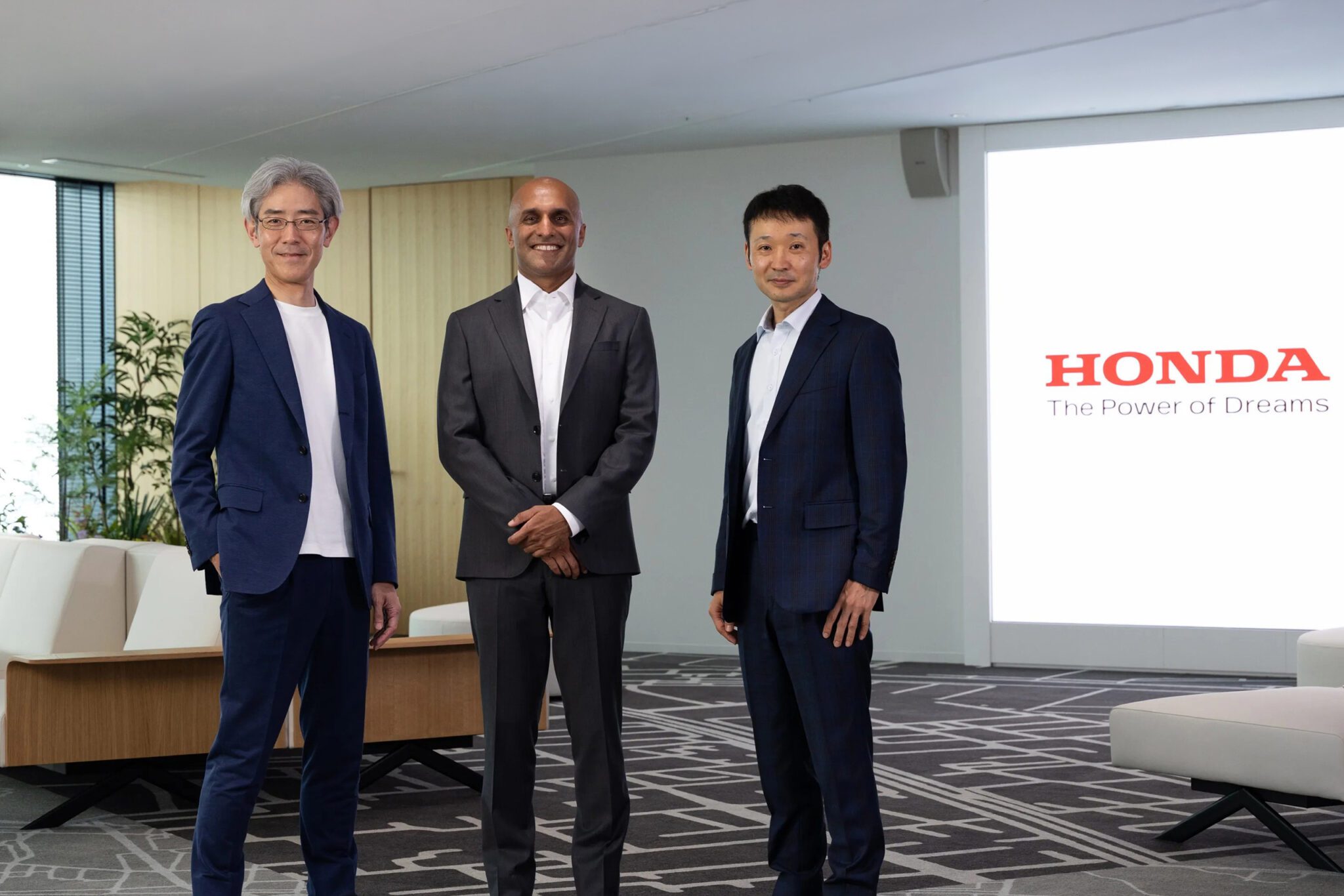
Honda has signed partnerships with Indian engineering services firm Tata Technologies and US simulation specialist Applied Intuition, a pair of deals aimed at accelerating its software-defined vehicle (SDV) programmes and trimming development costs as it readies itself for intensifying competition coming from Chinese automakers. The strategic logic is a familiar one — move fast, lean on outside expertise, and protect margins. But the arrangement also raises a question Honda will have to answer on its own: if a large slice of the software stack comes from partners rather than in-house teams, what will actually distinguish a Honda from the car parked next to it?
The tension was central to the most recent edition of Automotive World’s Software-Defined Vehicle Intelligence Brief, which framed the two-tie-up strategy as a trade-off: chasing the speed and cost profile of China’s fast-moving EV players may deliver competent vehicles faster, but at the risk of products that feel generically engineered rather than distinctively Honda.
The software-defined vehicle world was active on other fronts this week as well. Elon Musk publicly insisted that Tesla and SpaceX — not a third party — will both build and operate the Terafab chip complex, a reminder of how vertically integrated Musk’s companies intend to be on the silicon that underpins vehicle autonomy and onboard computing. Separately, the Linux Foundation rolled out a common automotive SBOM framework, the software bill of materials structure that lets OEMs and suppliers track what code is inside a vehicle and where it came from — a quiet but essential building block as regulators push for greater transparency in vehicle software supply chains.
On the supplier side, LG Electronics has been lined up to provide the cockpit controller for Renault’s first software-defined van, extending the Korean electronics giant’s push into vehicle architecture beyond the infotainment screens where it built much of its automotive reputation.
For established automakers like Honda, the strategic calculus is becoming harder to navigate. Partnering with specialists like Tata Technologies and Applied Intuition buys time and capability, and it lets an OEM concentrate its own engineers on the areas where it believes it can still create differentiation. But as more of the vehicle’s value shifts into code and electronics, the line between “platform we built” and “platform we assembled” gets blurrier — and customers, increasingly, judge software by feel rather than by which supplier wrote it.
What do you think?