
Honda's SUV Lineup Now Covers Nearly Every Buyer, From Gas to Hybrid
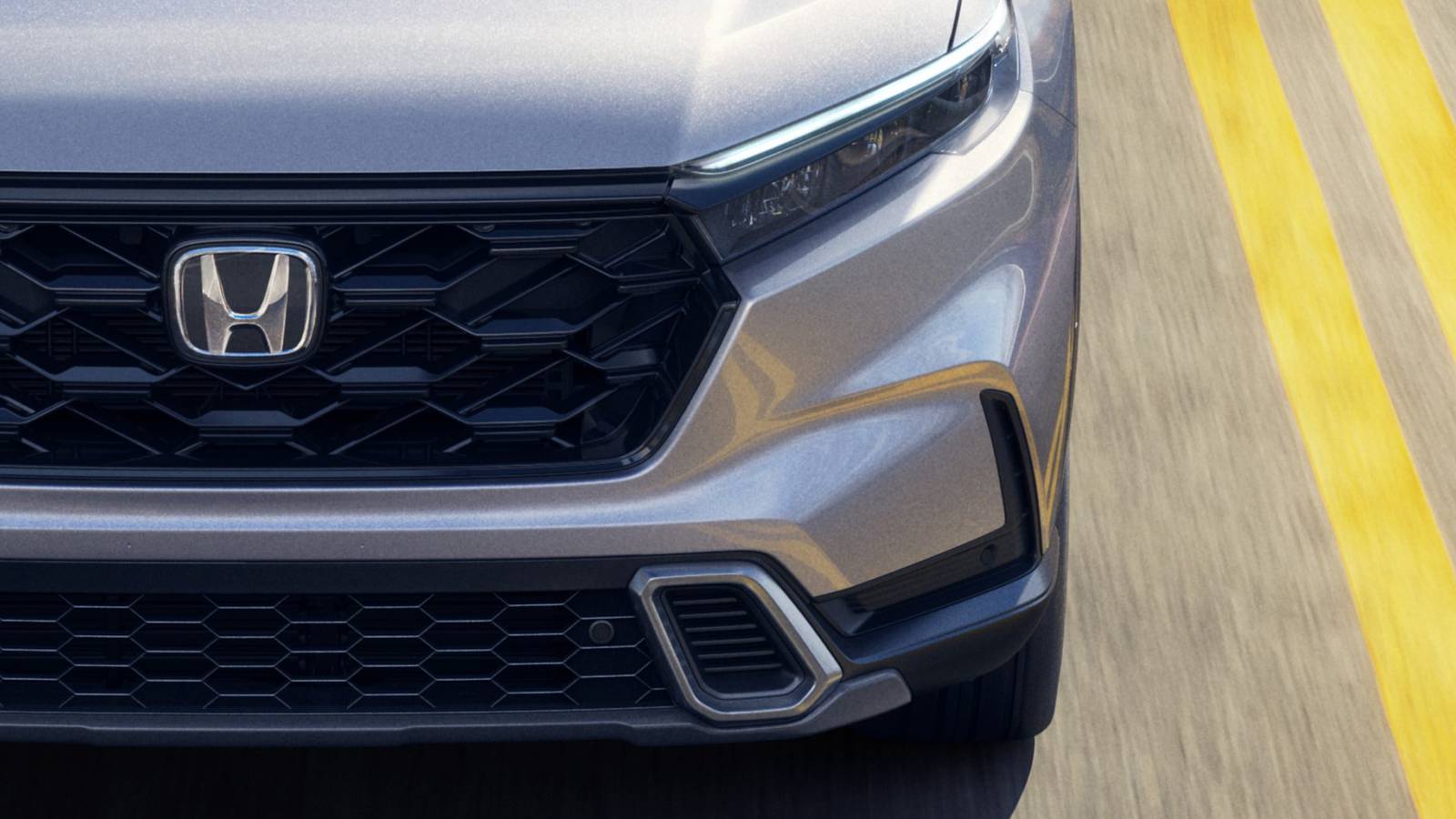
Honda has quietly assembled one of the broadest SUV portfolios in the mainstream market, and the range now stretches from budget-friendly gasoline crossovers all the way to electrified family haulers. Rather than betting on a single formula, the Japanese automaker keeps multiple nameplates alive to serve shoppers whose priorities differ sharply — some want low running costs, others need three rows, and a growing group insists on some level of electrification.
The compact end of the lineup carries much of the volume. Honda’s smaller crossover entries appeal to first-time buyers and urban drivers who value easy parking and strong fuel economy over outright size. Moving up the ladder, the brand’s mainstream compact SUV continues to be the volume leader, offered with both conventional gasoline powertrains and hybrid options depending on the market. That dual-powertrain strategy lets Honda hedge against uneven EV adoption rates while still marketing an electrified choice.
For families, Honda leans on its larger two- and three-row models, which compete in the crowded mid-size segment against rivals from Toyota, Hyundai and Kia. These vehicles are typically where hybrid drivetrains matter most, since buyers in this class put a premium on fuel savings during long commutes and road trips. Honda has gradually expanded hybrid availability across its light-truck lineup rather than limiting it to a single flagship model.
The result is a portfolio that functions almost like a menu: a small gas crossover for value seekers, hybrid compact SUVs for efficiency-minded commuters, and larger electrified family vehicles for those who need space without abandoning fuel economy. Honda has not signaled any plan to collapse these choices into one universal design, suggesting the multi-model approach will continue for the foreseeable future.
What the strategy ultimately reflects is a market where buyers no longer move in lockstep. Some regions still favor straightforward gasoline power, while others reward electrified drivetrains with incentives and cheaper running costs. By keeping a Honda SUV in nearly every size and powertrain bracket, the automaker is positioning itself to capture demand wherever it lands — rather than forcing customers toward a single technology before they are ready.
What do you think?